The number of food storage containers you need is set by your busiest food day and by how long used containers wait to be washed, not by how many people live in the house. Count the containers in use at that peak, sorted by job, add the ones still in the dishwasher or at the office, and count only containers that have a matching lid.
That is why households that "keep buying more and still run out on Sunday" are rarely short on containers. They're short on the right size, or on lids, at one moment in the week.
How many food storage containers do you need? Four numbers decide it
Most guides answer with a range for a single person or a family. Those ranges come mostly from brands and retailers, and they assume a household that cooks and washes on an average schedule. This page publishes no recommended count, because the right count is the output of your own numbers.
1. Your peak day. For most households it's the day after the big cook: batch cooking on a Sunday, a holiday meal, or the night with the most leftovers. The count has to cover that day, not an average one.
2. The jobs on that day. Leftovers in the fridge, lunches going out, a batch going into the freezer, snacks and prepped ingredients. Each job uses containers differently, covered below.
3. The lag. Containers leave the kitchen in lunch bags and come back days later, and they wait in the dishwasher until it's full. Every container in transit or waiting to be washed is one not available on the peak day.
4. Lids. A container without a lid that fits isn't a container. Count pairs, not bases.
Add up the containers in use on the peak day, by job, then add the ones in the lag. That's your working count. The result is usually a different number of each size, which is why a boxed set so often leaves a household with too many of one size and too few of another.
Count by job, because each job needs a different container
| Job | What it asks of the container | What drives the count |
|---|---|---|
| Leftovers | A size that matches a normal leftover portion; stacks in the fridge | How many meals a week produce leftovers |
| Packed lunches | Doesn't leak in a bag; survives travel; the right portion size | Lunches per week, times the days before containers come home |
| Batch cooking and freezing | Handles the freezer; holds a full batch or a portion | How often you batch cook and how many portions you freeze |
| Prepped ingredients and snacks | Small sizes, often the most numerous | How much prep happens ahead of time |
Packed lunches have the longest lag. A container that goes to work on Monday may not come back until Friday, so the lunch count is lunches per week plus the ones still out, not just one per person.
The freezer job has a different kind of lag. A container holding a frozen batch is out of use until the batch is eaten. A household that freezes a lot needs more containers dedicated to that job, or uses bags for it and keeps containers for the fridge.
What this page doesn't cover: how long any food keeps in the fridge or freezer. That is a food-safety question, and the U.S. Department of Agriculture's FoodKeeper guidance and the federal FoodSafety.gov storage charts are the places to check. We don't publish storage durations on this site. Where the containers live, how the cupboard is arranged and how the freezer is laid out are also outside this page's scope, which is the purchase.
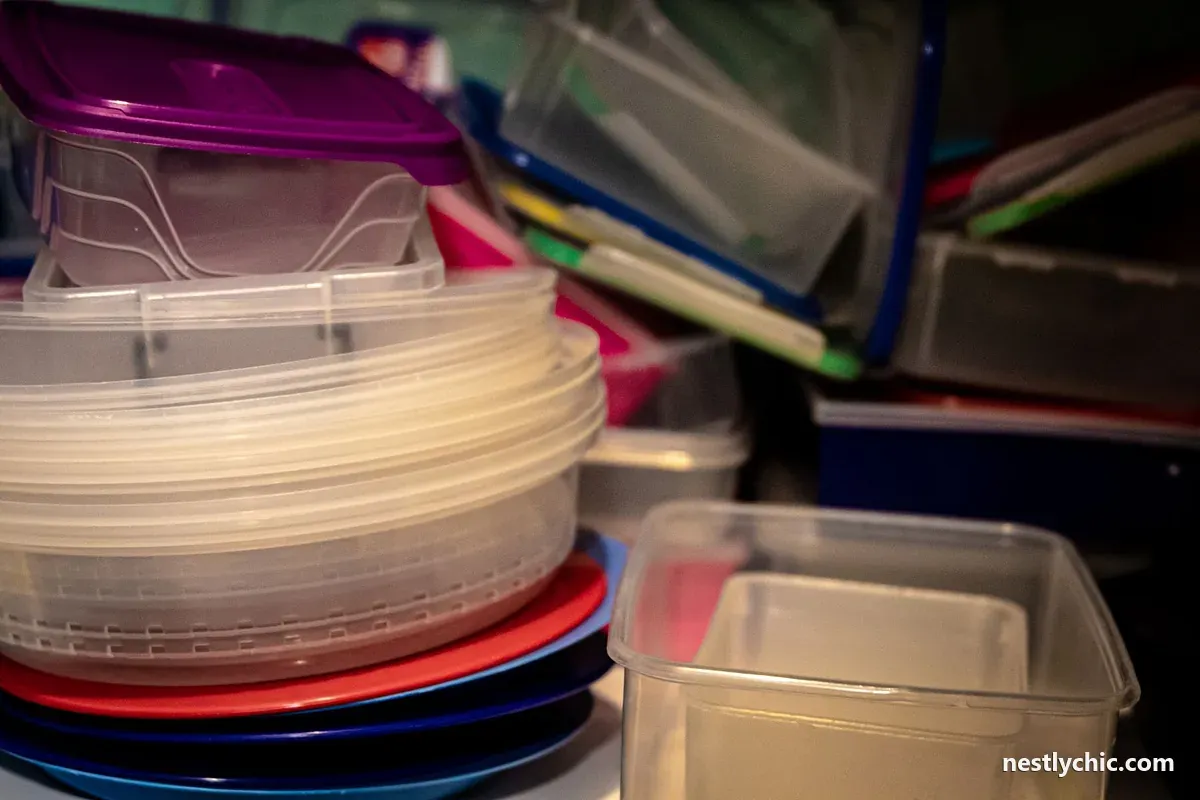
Sizes: why one size never covers it
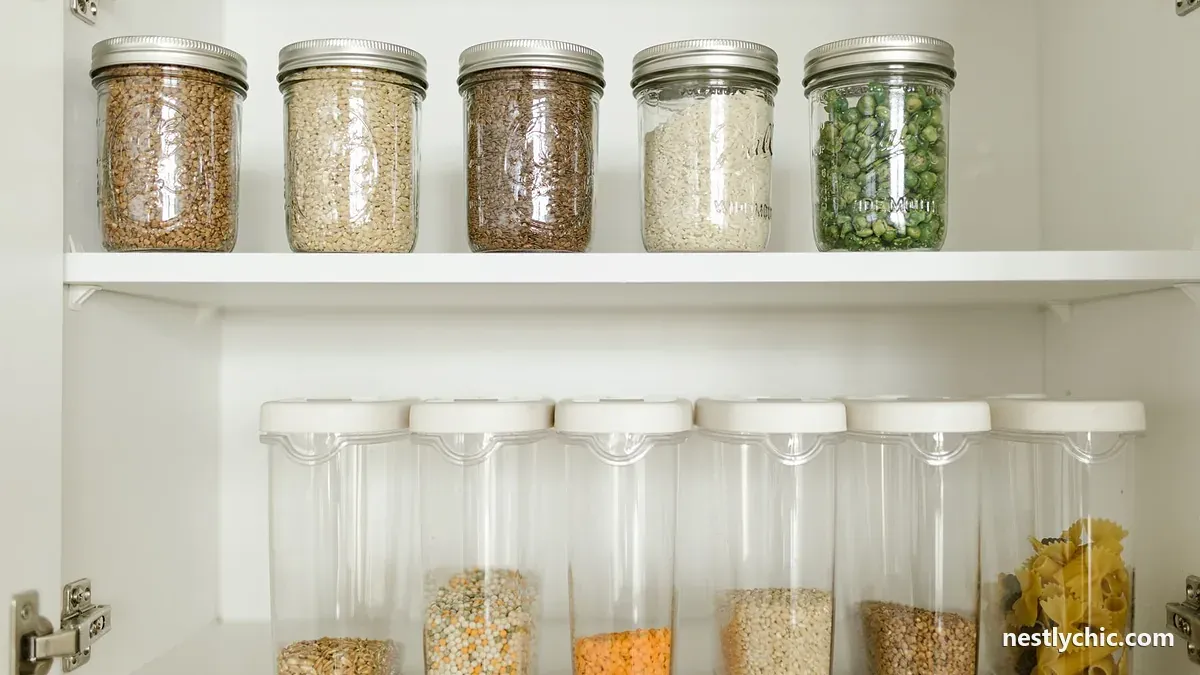
The size mix matters more than the total. A household with plenty of containers but all in one size is still short when a big batch of soup or a small portion of sauce needs a home.
Most households need three broad groups:
- Small, for sauces, dressings, snacks, prepped ingredients and a child's portion.
- Medium, the single-meal size for leftovers and most packed lunches.
- Large, for a whole batch, a family's leftover main dish, or a salad for several days.
The medium size is usually the one that runs out, because it covers both leftovers and lunches. If you are adding to what you have, add mediums first.
Larger isn't safer. A large container half-filled with a small leftover takes up fridge space and wastes the container. Match size to the portion.
Lids are the real count
Lids get lost, warp and stop fitting long before the bases fail, and a drawer full of bases with no lids is how a household ends up buying another set.
Buy containers where many sizes share one lid size. Some ranges are designed so several bases use the same lid, which cuts the matching problem. Mixed brands almost never share lids.
Count lids when you audit. Pair every base with its lid. The unpaired bases and lids are what you actually lost, and they tell you which size to replace.
Check what the lid can do, separately from the base. On many glass containers the base and the lid are different materials with different limits. Pyrex's published safety and usage guidance (read 2026-09-11), for example, says its plastic lids can be used in the microwave but should be removed or vented at least a quarter inch before microwaving to avoid warping, and that plastic lids must not go in a conventional or convection oven or on direct heat. See Pyrex's product warranties, safety and usage page. A lid that warps in the microwave is a lid that stops sealing, which is one reason the lid count falls behind the base count.
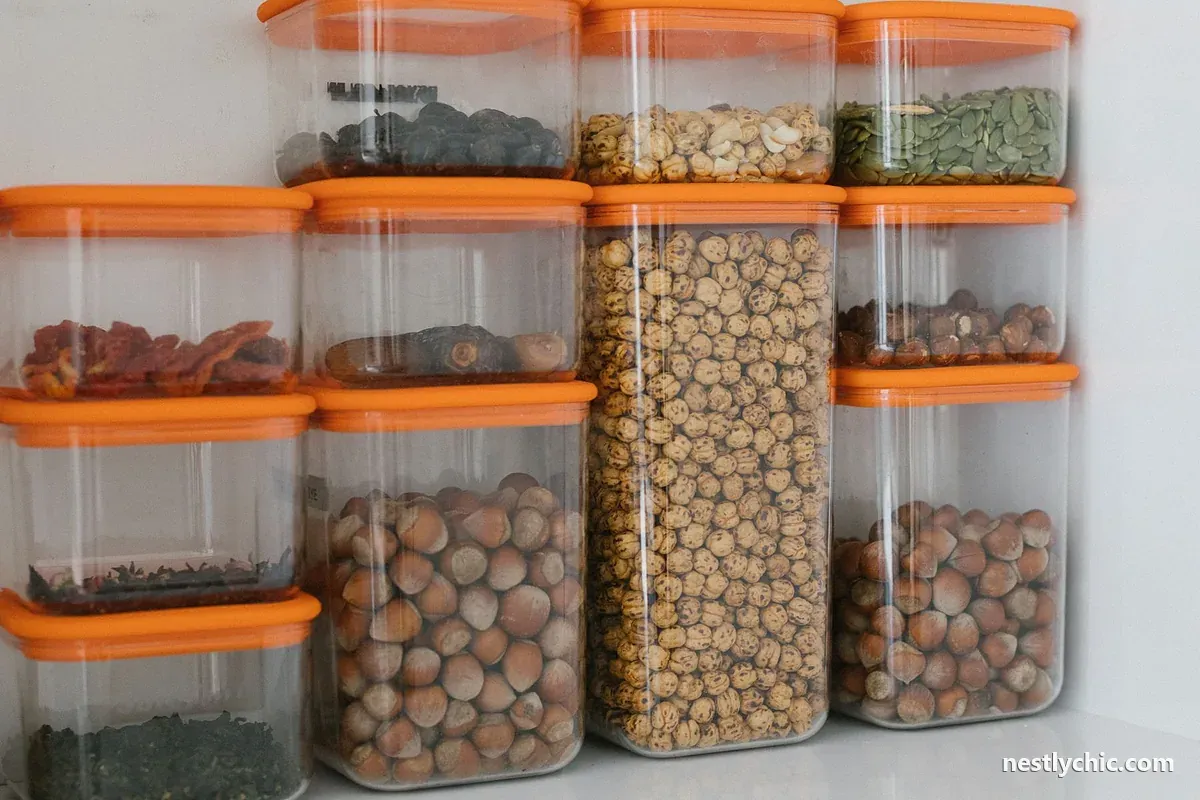
Why the numbers on the box and on page one rarely fit
A set is sized by the maker, not by your week. Many sets count each lid as a piece, so the piece count on the box can be double the number of containers. Read the actual container count and the size breakdown before comparing sets.
Sets are balanced; households aren't. A set usually gives equal numbers across sizes. A household that packs lunches every day needs far more of the medium size than a set provides.
The ranges on page one are starting points, not measurements. They come mostly from brands selling containers. They're not wrong as a rough guide, but they can't account for your peak day, your lunch lag or how often you batch cook.
Glass, plastic or both
Material changes the count in one important way: glass is heavier and more likely to stay home, so households that pack lunches often end up with glass for the fridge and a lighter container for travel. That split is a reason to count by job rather than by total.
Glass also has temperature limits of its own. Pyrex's guidance tells users to avoid sudden temperature changes, not to transfer directly from the freezer to a hot oven, and not to use glass that is broken, chipped, cracked or severely scratched. The same thermal-shock logic that applies to baking dishes applies here, and it's explained in what actually cracks in glass, ceramic and stoneware bakeware.
Setting the number for a new kitchen
If you are starting from nothing, estimate your peak day rather than guessing a total. Think about how many meals in a normal week produce leftovers, how many lunches go out, and whether anyone batch cooks. Buy for that, with a few extra mediums.
Then treat the first months as data. If you run short on a particular day, note the size and the job. If containers sit unused at the back, you overbought that size. This is the same approach as the rest of the first-kitchen list in the new home kitchen checklist: buy what the routine asks for, not what a complete list assumes.
Before buying anything, count what you already have. Pair bases with lids, set aside anything warped, cracked or no longer sealing, and see which sizes are missing. The same process for the rest of the kitchen is in auditing what you already own before you buy anything. How household size shapes the whole kitchen's quantities, containers included, is set out in sizing a kitchen to the household.
FAQ
How many food storage containers do you need? It depends on your busiest food day and how long used containers wait to be washed or come home. Count the containers in use on that peak day by job (leftovers, lunches, freezer, prep), add the ones in transit or in the dishwasher, and count only containers with a matching lid.
Why do I keep running out of containers even though I have lots? Usually because you're short on one size, often the medium single-meal size, or because lids have gone missing. Pair every base with a lid and note which size runs out first; that's the size to buy.
Is it better to buy a set or individual containers? A set is convenient but balanced across sizes, while most households use one size far more than the others. Check the actual container count, since sets often count lids as pieces, and consider adding extra mediums.
How long can food stay in a storage container? That's a food-safety question, and this site doesn't publish storage times. Check USDA's FoodKeeper guidance or the federal FoodSafety.gov storage charts for specific foods.
The short version
Count for the peak day, by job. Add the containers that are out or waiting to be washed. Count lids, not bases. Buy more of the size that runs out, which is usually the medium. And check storage times with USDA's guidance, not with a container box.
Sources, read 2026-09-11: Pyrex, product warranties, safety and usage (pyrexhome.com). Storage-duration guidance is USDA's and FoodSafety.gov's; this site publishes none. This page ranks and recommends no product, quotes no price and carries no affiliate link. Nothing here was tested or owned by this site.