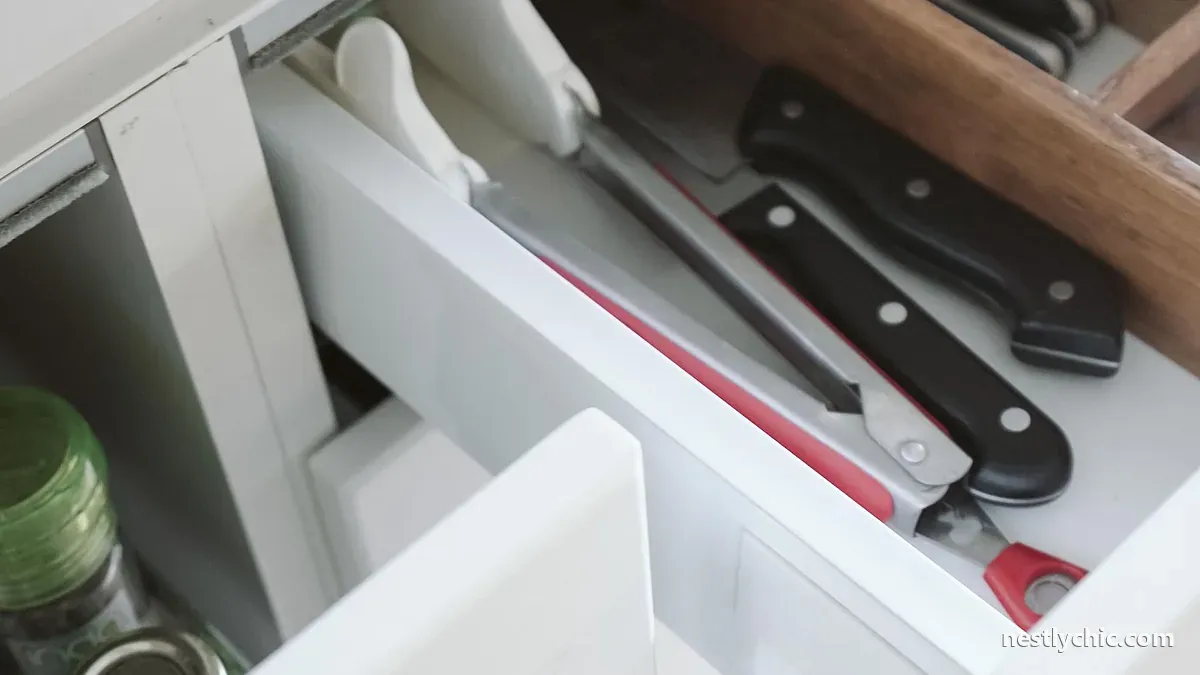
A move is not, on its own, a reason to replace kitchen equipment. That decision comes after the boxes are open, and the order they come open in is its own problem. Before buying anything for a new kitchen, apply three questions to what already made the trip: does it still do the job it was bought for, does the new kitchen change what that job actually requires, and is it close to a known failure point rather than just old. Most functioning equipment passes all three and does not need replacing. A smaller number of items fail one of them clearly, and those are the ones worth prioritizing. What follows is the test applied category by category, so it works on anything in the boxes, not just the items on someone else's list.
Most "replace everything when you move" advice online is written to sell a fresh-start shopping list, not to answer whether replacing is actually warranted. It rarely is, across the board.
The Three-Question Test
Applied to any single item, in order:
- Does it still do the job it was bought for? A pan that still heats evenly and releases food cleanly does the job. A pan with a warped base that rocks on the burner does not, regardless of how it looks.
- Does the new kitchen change what "the job" actually requires? This is the question a straight condition check misses. An item bought correctly for a smaller kitchen can become the wrong size once the kitchen changes, even though nothing about the item itself is broken.
- Is it near a known failure point? Some categories have a predictable end of useful life tied to wear on a working surface rather than to breakage. Others simply do not, and can last indefinitely with reasonable use.
An item that fails any one of these three is worth replacing. An item that passes all three is worth keeping, whatever a generic moving checklist says.
Does It Still Do the Job?
This is the most literal test and the easiest to apply. A knife that still holds an edge, a pot that still heats without a hot spot, a mixing bowl that still holds its shape, all pass. Cosmetic wear, a scratched exterior, a faded handle, a mismatched set, does not fail this test on its own. Function and appearance are different questions, and only function belongs in a replace-or-keep decision.
Does the New Kitchen Change What "The Job" Is?
This is the question most moving checklists skip entirely, and it is where this site's own comparison between an apartment kitchen and a full-size one actually matters. An item correctly sized for a compact kitchen, a smaller stockpot, a single mixing bowl, one baking sheet, is not damaged or worn. It is simply undersized for a household now cooking in a full-size kitchen, and the honest reason to replace it is capacity, not condition. The house-vs-apartment comparison sets out exactly which categories tend to need a size step up and why.
The same logic runs the other way for anyone downsizing: an item sized for a larger household or kitchen is not "better," it is oversized for what the job now requires, and keeping it is not automatically the frugal choice if it means storing a large item that never gets fully used.
Is It Near a Known Failure Point?
Some categories wear out in a way that is predictable and tied to use, not to age on its own. A nonstick cooking surface degrades with heat and scratching over time. A wooden cutting board develops deep grooves that eventually compromise the surface. A knife loses its edge with use and needs periodic honing or sharpening rather than replacement.
Other categories genuinely do not wear out under normal use: solid stainless cookware, plain glass bakeware with no chips or cracks, and most flatware can last for decades with no meaningful degradation. Treating every category as if it is on the same clock is where a lot of unnecessary replacement spending comes from.
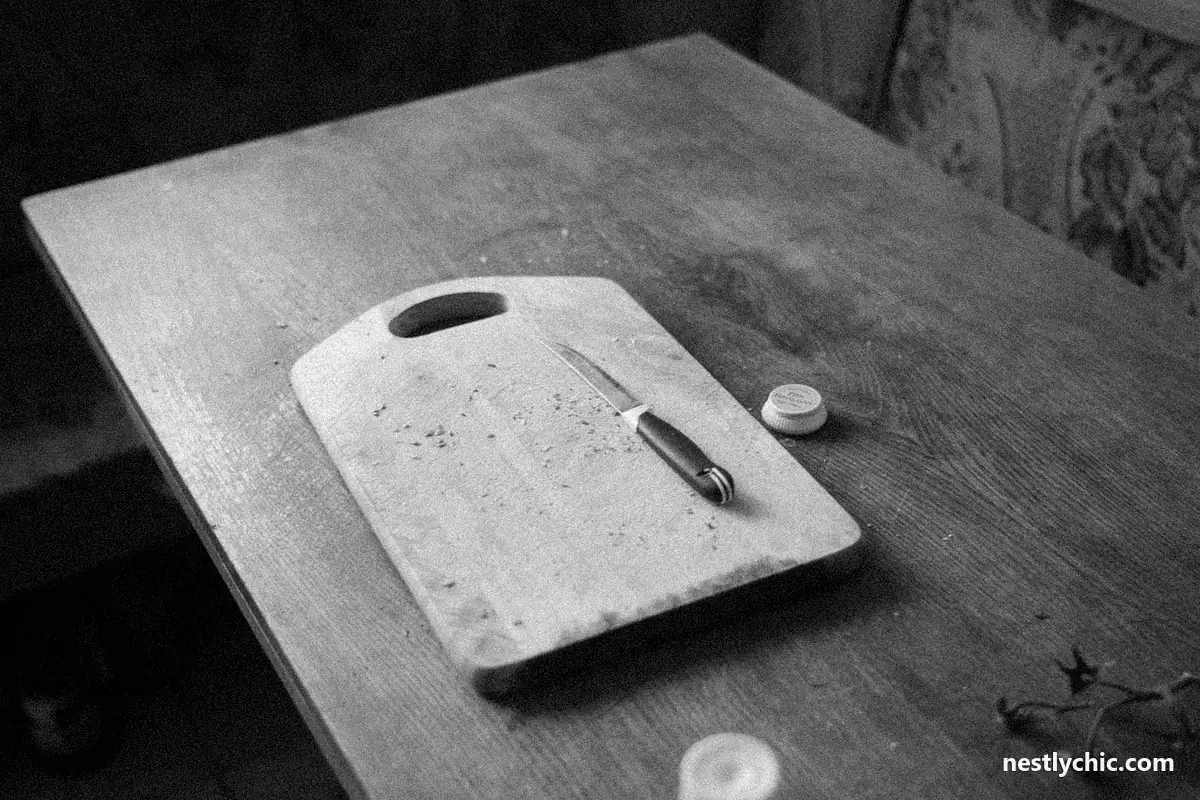
This site does not publish a fixed "replace every X years" figure for any category, because the honest answer depends on frequency of use and is not the same for every household. The signal to watch for is a condition change, uneven heating, a coating that no longer releases food cleanly, a blade that will not hold an edge after sharpening, not a date on the calendar.
What to Audit First
In order of how much a failure actually costs day to day:
- Daily-use cookware: the one or two pans and the one pot used most often. A functional failure here is felt immediately.
- The primary knife: a knife that will not hold an edge makes every prep task worse, not just harder.
- Anything with a consumable working surface: nonstick coatings and cutting boards specifically, since these are the categories with a genuine wear-out point.
- Small appliances used daily: a coffee maker or kettle that is starting to fail is worth flagging before it fails completely, not after.
What Almost Never Needs Replacing Just Because You Moved
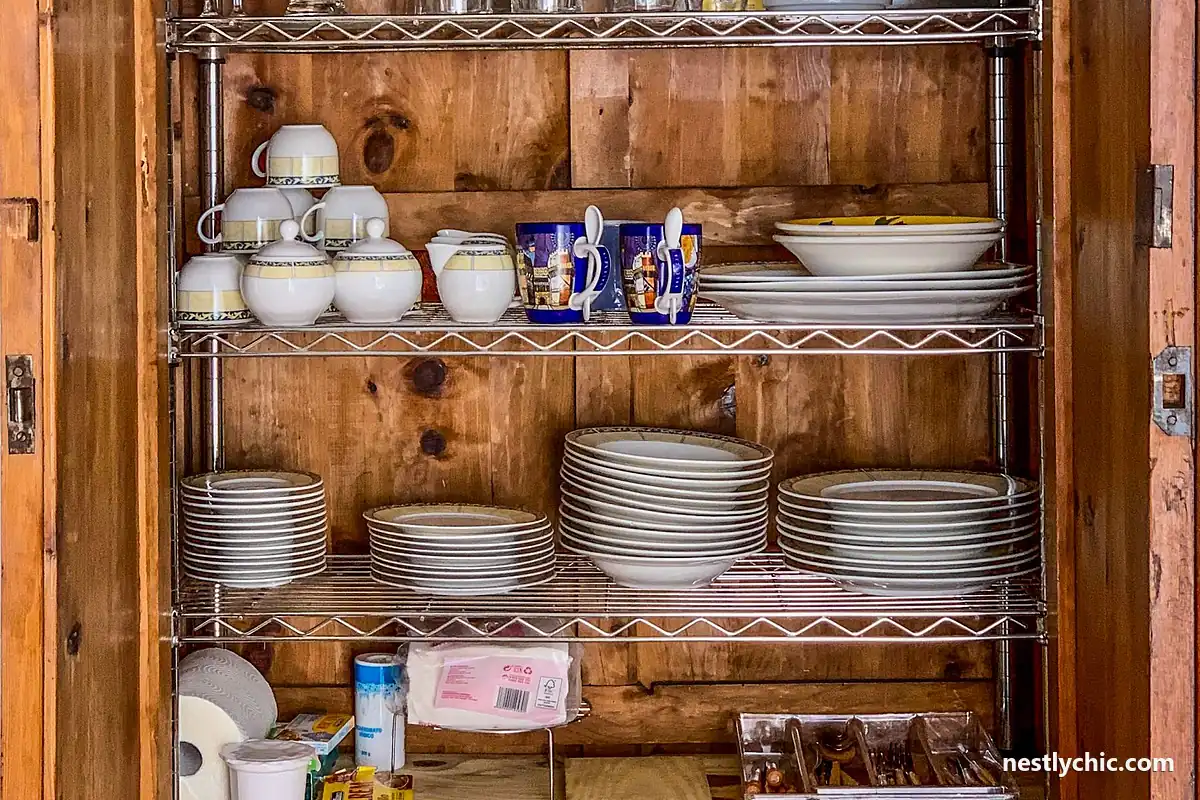
Stated plainly, because most guides only list what to replace: solid stainless cookware, glass and ceramic bakeware with no visible chips or cracks, flatware, most dinnerware, and any tool that still performs its single function correctly. None of these need replacing on the strength of a change of address alone.
FAQ
Should I replace all my cookware when I move into a bigger kitchen? Only the pieces that fail the three-question test, most commonly items that are now undersized for the household or that already show a functional problem. A full-size kitchen does not make correctly working cookware obsolete.
Is it worth replacing kitchen items just because they look old? Cosmetic wear alone is not a reason to replace something that still functions correctly. Function and appearance are separate questions, and this test only tracks the first one.
How do I know if my nonstick pan is actually done, not just scratched? The practical signal is whether food still releases cleanly at normal cooking temperatures. Surface scratches that do not affect release are cosmetic; a coating that has stopped releasing food is a functional failure.
Is it cheaper to replace everything at once or audit first? Auditing first is almost always cheaper, since it avoids replacing items that still work. The budget builds show what different spending levels actually buy, which is a more useful comparison once the audit narrows down what is genuinely needed.