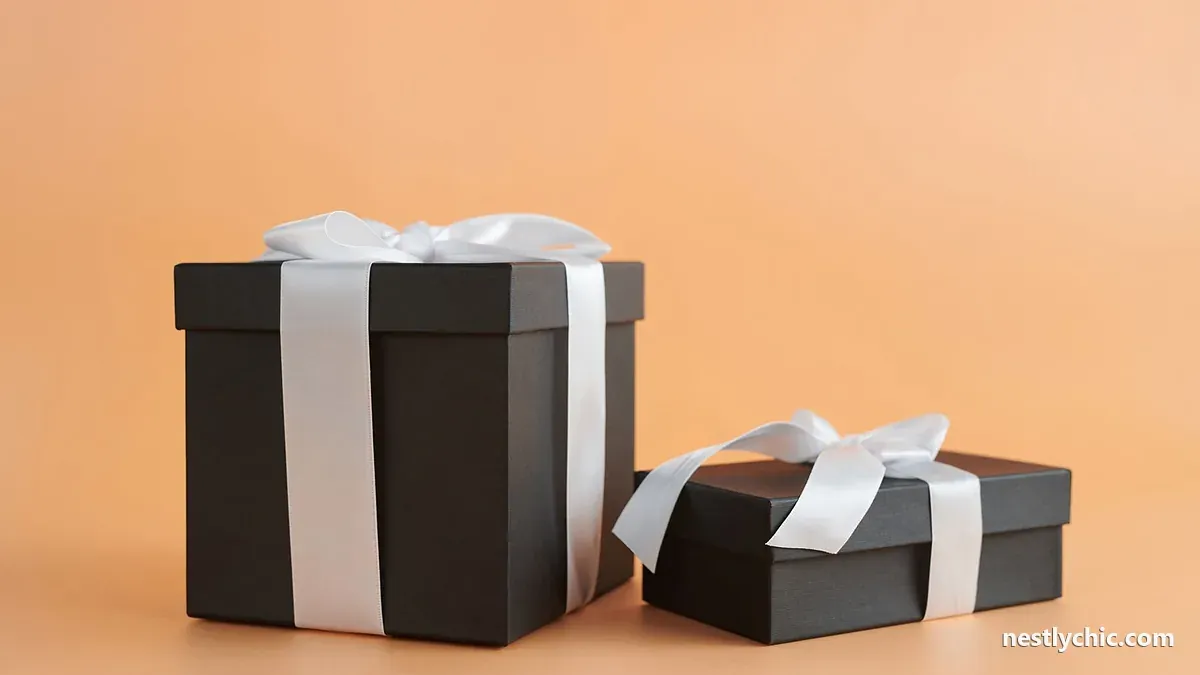
Edible housewarming gifts are not a cop-out. For a household in its first weeks in a new kitchen, food is often the most useful thing you can bring, because a move empties the pantry faster than it empties anything else. The best edible housewarming gifts fill that gap: good cooking oil, salt, coffee or tea, a ready meal for the night nobody wants to cook, or a quality version of a staple they will restock anyway. The ones that miss are perishable foods with nowhere cold to go, and novelty items that need a gadget or a space the kitchen does not have yet.
This guide reasons from the kitchen, not from the relationship. It covers what a newly moved kitchen is short of in food terms, which consumables land and which do not, and how to hand them over so they help rather than add to the unpacking.
Why a new kitchen runs out of food before it runs out of anything else
Cookware, plates and glasses survive a move. They get wrapped, boxed and unpacked in the new place. Food mostly does not.
Open bottles of oil and vinegar leak or get thrown out rather than packed. The half-used bag of flour, the nearly empty jar of spices, the condiments in the fridge door: many people clear these out in the last week at the old place rather than box them. Frozen and refrigerated food either gets eaten down before the move or discarded. The result is a kitchen that can be fully equipped by the end of week one and still have almost nothing to cook with.
That is the gap an edible gift fills. Our first-week grocery list for a new kitchen walks through what a household typically buys in that first shop, and the overlap with a good food gift is large. A bottle of good olive oil is a gift. It is also one less thing on a list they are about to write.
The same logic explains why consumables beat most objects in the first month. A household three weeks into a new house is still deciding where things go. Every new object needs a cupboard, a drawer or a shelf. A consumable needs space only until it is used, and then it is gone.
Edible housewarming gifts that fill a real gap
The strongest candidates share three traits: the household would buy the item anyway, it keeps at room temperature, and a better-than-usual version is a noticeable upgrade.
| Gift | Why it lands in a new kitchen | What to check first |
|---|---|---|
| Good cooking oil | Open oil rarely survives a move, and most cooking needs it | Nothing much; almost every kitchen uses it |
| Salt (a quality finishing salt or a large box of kosher salt) | Used daily, cheap to upgrade, stores easily in a dry cupboard | Nothing much |
| Whole-bean or ground coffee, or loose tea | The first morning in a new house is when it is missed most | Whether they drink coffee, tea or neither, and whether they own a grinder |
| A small set of core spices | The spice drawer is one of the first things cleared out before a move | Whether they cook often enough to use them while fresh |
| Vinegar or a good sauce they already use | Another open bottle that tends not to make the trip | A brand they already like beats a guess |
| Pasta, rice or grains from a good producer | Shelf-stable, fills an empty cupboard, easy first meal | Nothing much |
| A ready-to-heat meal | Covers the evening when the boxes win | That they have a working oven or refrigerator and room in it |
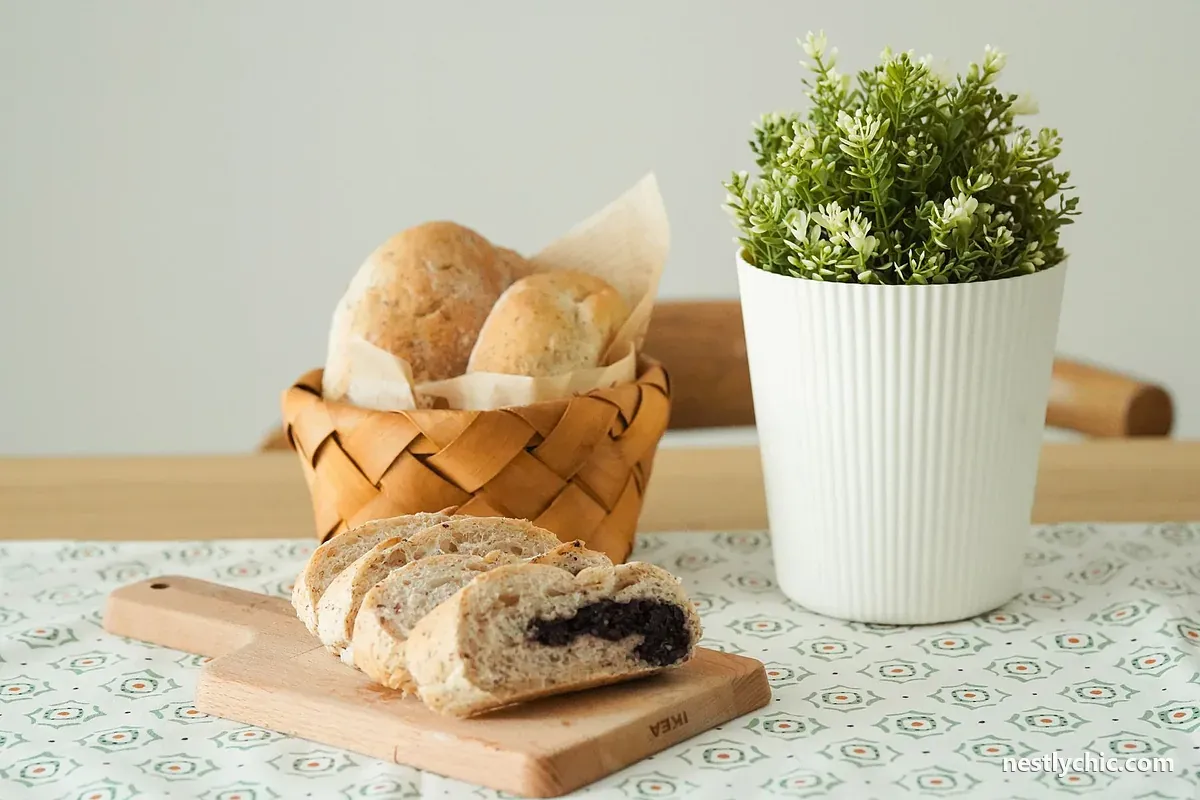
| Baked goods for the first few days | Nothing to cook, nothing to store long term | That it will be eaten soon; bread and pastry do not wait |
Notice what the table favors: items that go straight into a cupboard and get used within weeks. Our new home pantry staples list covers the core stock in more detail, and most of the shelf-stable rows there make better gifts than the average gift basket filler.
Edible gifts that tend to miss
Food can go wrong in a new kitchen for reasons that have nothing to do with taste.
Perishables with nowhere to go. A cheese board, a cured meat selection, a cake that needs refrigeration: all of these assume a running refrigerator with space in it. In the first days after a move, the refrigerator may be newly delivered, just switched on, or already full of whatever survived the trip. If you are not sure, choose something shelf-stable.
Large quantities of one thing. A bulk tin of cookies or a giant basket works for a party. For a two-person household in a kitchen they are still organizing, it becomes something to find room for.
Anything that needs equipment they may not have unpacked. A pour-over coffee kit assumes a kettle. A fondue set, a bread mix that needs a stand mixer, a pasta kit that needs a machine: each assumes a piece of kit that may still be in a box or may never have existed.
Items packed in a container they have to keep or return. A casserole in your good baking dish creates a chore: wash it, remember it, give it back. More on that below.
Novelty items. Flavored oils in decorative bottles, spreads in unusual flavors, candy in a shape: these are the edible version of the fourth cheese board. They sit on a shelf until someone feels guilty enough to throw them out.
The container question most guides skip
This is the part gift lists rarely mention, and it matters more in a new kitchen than anywhere else.
A homemade meal, a batch of soup or a tray of baked goods arrives in something. If that something is yours, the household now has a dish to wash, store and return while they are still working out which cupboard holds the dishes. If it is theirs, you have handed them a container they did not choose.
Three ways to handle it cleanly:
- Bring it in something disposable or recyclable, and say so, so nobody feels obliged to return it.
- Bring it in something that is part of the gift, such as a baking dish or storage container you know they need. That turns the vessel into a useful object rather than a loan. If you are unsure what a first kitchen usually still lacks, our new home kitchen checklist is a reasonable guide.
- Bring it in a container you genuinely do not want back, and tell them that plainly at the door.
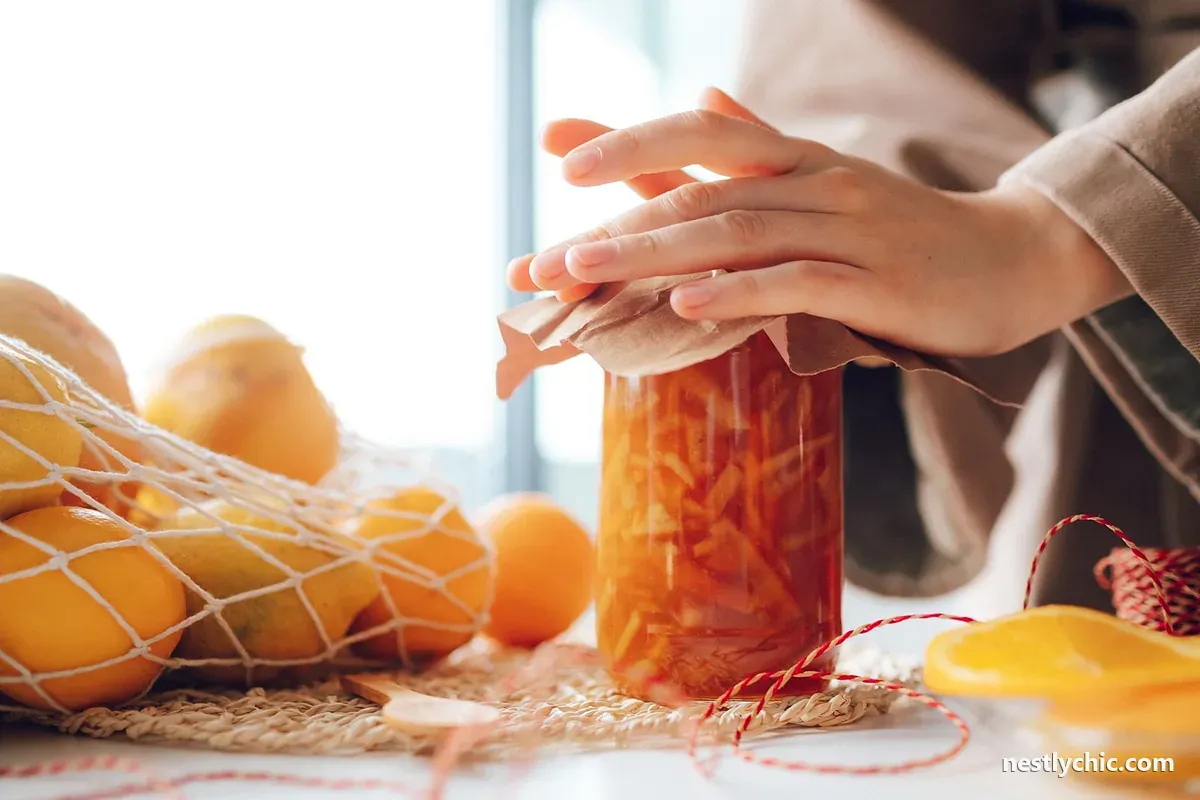
The same thinking applies to a jar of homemade jam or sauce. A plain jar is easy to keep or recycle. A decorative one becomes an object to find a home for.
Homemade versus store-bought
Homemade food carries more thought, and many households appreciate it. It also carries two practical questions that a sealed, labeled product answers for you.
What is in it. A packaged product lists its ingredients. A homemade one does not, unless you write them down. A household may include someone who avoids certain foods for health, religious or personal reasons, and they cannot check what you did not tell them. A short ingredient note taped to the lid solves this. The FDA's food allergies page (read September 27, 2026) lists the nine major food allergens the US recognizes: milk, eggs, fish, crustacean shellfish, tree nuts, peanuts, wheat, soybeans and sesame. Naming any of those that are in your dish is a courtesy, not a guarantee. It is not a way to decide whether a food is safe for a particular person; only the household can decide that.
How it should be stored. Say whether it needs refrigeration and whether it freezes. Do not guess at how long it keeps. If the recipe came from a source with a storage line, pass that on. If it did not, "keep refrigerated and eat soon" is more honest than a number you made up.
Store-bought is not a lesser choice. A good bottle of oil or a bag of coffee from a local roaster is exactly the kind of upgrade a household may not buy for itself during a move.
When to bring it: before the move, moving day, or later
Timing changes which edible housewarming gifts make sense.
- On moving day or the day after: ready-to-eat food wins. Nobody is cooking. Sandwiches, snacks, drinks, something that needs no clean pot and no plates beyond what is already out of the box.
- In the first two weeks: pantry staples are the sweet spot. The kitchen is unpacked enough to use, and the household is in the middle of restocking. This is when oil, salt, coffee and spices do the most good.
- At a housewarming gathering a month or more in: the pantry has been rebuilt. Now a treat or something for the gathering itself makes more sense than a staple. A consumable still beats most objects, because the household has usually decided what it wants to own by then.
If you are coordinating with others, our guide to what belongs on a housewarming and first-home registry explains what tends to go on a list, and a consumable is a good choice for someone who wants to give something without duplicating a listed item.
Pairing food with a small useful object
A consumable pairs well with one object the kitchen is likely to lack, as long as the object earns its space.
- Olive oil with a pour spout or a small oil bottle, if they cook often.
- Coffee beans with an airtight canister, if they buy beans in quantity.
- A loaf of good bread with a bread knife, if their knives are still in a box.
- A spice set with a small set of labels, if they decant.
Keep the object practical and small. The point of a consumable gift is that it does not add to the clutter; pairing it with a large decorative piece undoes that.
What this kind of gift cannot do
Food is not the answer to every housewarming. A household that has lived in the new place for months, or is moving between two fully stocked homes, has no empty pantry to fill. And an edible gift cannot confirm that it suits the people eating it. That is a conversation, not something a gift guide can settle. Where you are unsure, a staple almost everyone uses, such as salt, oil, coffee or pasta, carries the least risk.
Frequently asked questions
Are edible housewarming gifts considered cheap or lazy?
Not when they fill a real need. A move empties the pantry, and a quality staple the household would buy anyway is one of the more useful things a guest can bring in the first weeks. It reads as thoughtful when it is clearly chosen for a kitchen that is restocking.
What is the best food to bring to someone who just moved?
Shelf-stable staples the household uses daily: good cooking oil, salt, coffee or tea, pasta or rice, and a small set of core spices. On moving day itself, ready-to-eat food that needs no cooking or clean-up is more useful.
Should I bring perishable food as a housewarming gift?
Only if you know the refrigerator is running and has room. In the first days after a move, it may not. If you do bring something perishable, hand it over in person and say it needs refrigeration rather than leaving it on a counter.
Should I label homemade food I bring as a gift?
Yes. A short list of ingredients lets the household decide whether it suits them, and noting whether it needs refrigeration or can be frozen helps them store it. Avoid guessing at how long it keeps.
Is a gift basket a good housewarming gift?
It depends on the contents. A basket built from staples the household will use is useful. One filled with novelty items in a large decorative basket can become storage clutter in a kitchen that is still being organized.