Finding gifts for someone who has everything, kitchen included, gets easier once you stop looking for something new and start looking for what wears out. A well-stocked household is rarely missing a category. It is missing freshness: a nonstick pan past its best, stained towels, tired wooden spoons, an old appliance thermometer, pantry staples left behind in the move. A second home is the one place where the rule flips, because a duplicate of the tool they love at their main house is exactly what that kitchen lacks. The gift is not novelty. It is replacement, restock or a matched second copy.
This article covers the kitchen side of that problem: what an experienced household's kitchen predictably still needs, and how that changes when the new kitchen is a second or third home.
Why "has everything" kitchens are hard to buy for
A household on its third house has already been through the stocking process more than once. The core pans, knives, plates and utensils were bought, used, replaced and upgraded years ago. Everything a typical gift list suggests, from the cheese board to the knife set, is already there, often in a version the owners chose carefully.
That changes what a useful gift looks like. In a first kitchen, the gap is a missing category. In an experienced kitchen, the gap is almost never a category. It is one of three things:
- Something that has worn out and has not been replaced yet.
- Something that gets used up and was left behind or thrown out in the move.
- Something the new house specifically demands that the old one did not.
If a gift fits one of those three, it will be used. If it does not, it joins the drawer of things the household already owns two of.
Gap one: the things that quietly wear out
Experienced cooks tend to hold onto tools longer than they should. A pan that sticks a little, a peeler that has gone dull, a spatula with a melted edge: these get tolerated because replacing them is never urgent. A move is a natural moment to fix that, and a gift is a good way to do it.
The items that wear out on a predictable schedule make the safest gifts, because the household almost certainly owns one that is past its best. Our first-year plan for when to replace kitchen items sets out which things wear and how you can tell. A short list of common candidates:
- Nonstick pans, which lose their release over time however carefully they are used. Our guide on how to tell when to replace a nonstick pan explains the signs.
- Wooden spoons and spatulas, which crack, stain and absorb odors.
- Silicone and nylon tools with melted or split edges.
- Peelers, graters and kitchen scissors, which dull quietly.
- Oven mitts and pot holders, which thin out with use and washing.
The limitation is that you need to know the stove type before replacing a pan. A new house can come with a different cooktop from the last one, and that matters more for pans than for anything else on this list.
Gap two: the things that get used up or left behind
Moving is hard on consumables. Opened bottles of oil and vinegar, half-used spices, cleaning supplies and paper goods are often thrown out rather than packed. Dish towels get used as padding and come out stained. Even well-stocked households often arrive at a new kitchen with a shorter pantry than they left.
That makes the consumable category one of the most reliable gifts for an experienced household:
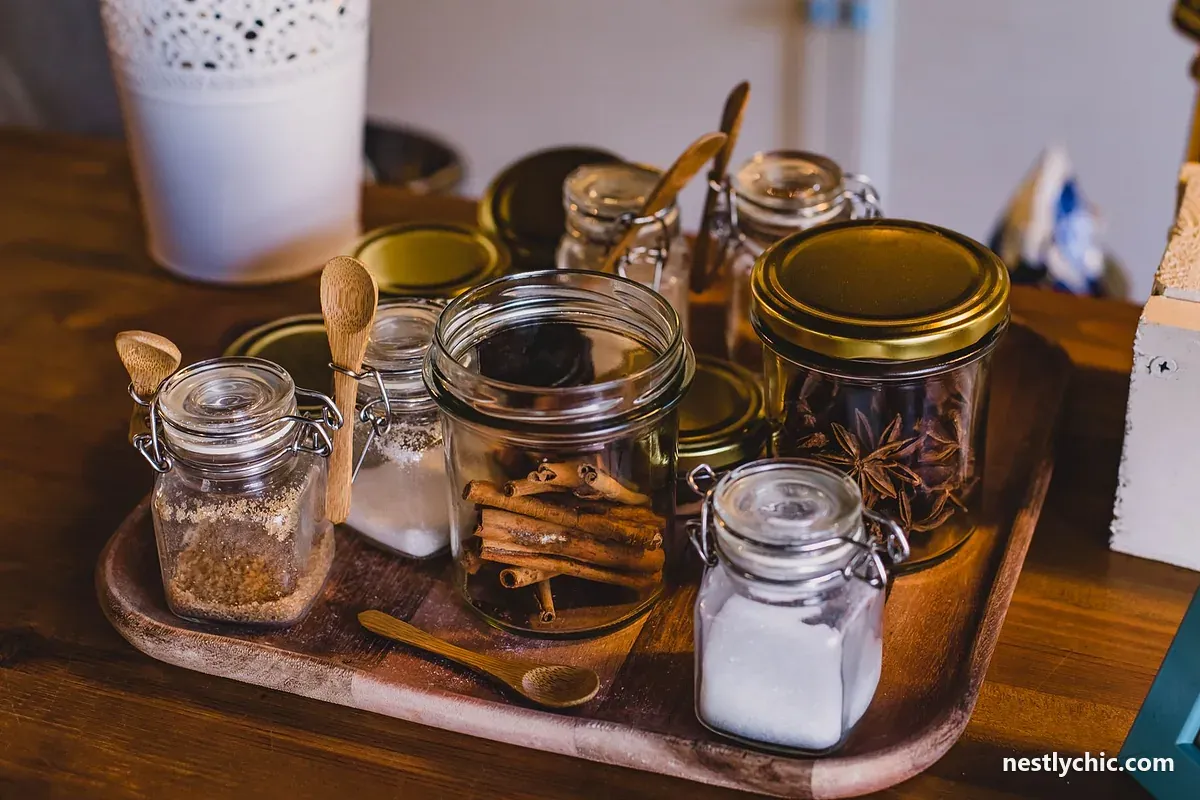
- Pantry staples in a better grade than they would buy for themselves: olive oil, vinegar, salt, spices, coffee or tea they already enjoy.
- Fresh kitchen linens: dish towels, cloths and aprons that replace what was used as packing.
- Kitchen paper and wraps: parchment, foil and storage bags, which are unglamorous and almost always running low after a move.
Our guide to kitchen linens and the small consumables nobody puts on the list goes through what a working kitchen burns through. For a household that has everything, a restock of those items is more useful than one more object.
Gap three: what the new house demands
This is the gap most gift guides miss, and it comes straight from how kitchens differ between houses.
A new house can come with a different cooktop, a different oven or a different refrigerator from the last one. When that happens, some of what the household owns stops working, and they may not have noticed yet.
The clearest example is the cooktop. ENERGY STAR explains on its electric cooking products page (read September 27, 2026) that induction cooking tops need compatible cookware, and that a refrigerator magnet is the simple check: "If the magnet sticks to the cookware, it will work with induction." A household moving from gas to induction may find that a favorite pan a magnet does not stick to no longer heats. A single compatible pan in the size they cook in most is a genuinely useful gift in that situation, but only once you know the cooktop. Our guide to checking whether cookware is induction compatible walks through the magnet test.
The refrigerator is another. A new fridge has unknown habits, and the FDA's consumer page Are You Storing Food Safely? (read September 27, 2026) says to keep the refrigerator "at or below 40° F (4° C)" and the freezer at 0° F (-18° C), adding that "appliance thermometers are the best way of knowing these temperatures and are generally inexpensive." A refrigerator and freezer thermometer is a small, practical gift for a new appliance, and plenty of households have never owned one.
Second homes: where the duplicate finally makes sense
Everywhere else, a duplicate is a failed gift. A second home is the exception, and it is the most useful thing to understand about gifting to a household that already has everything.
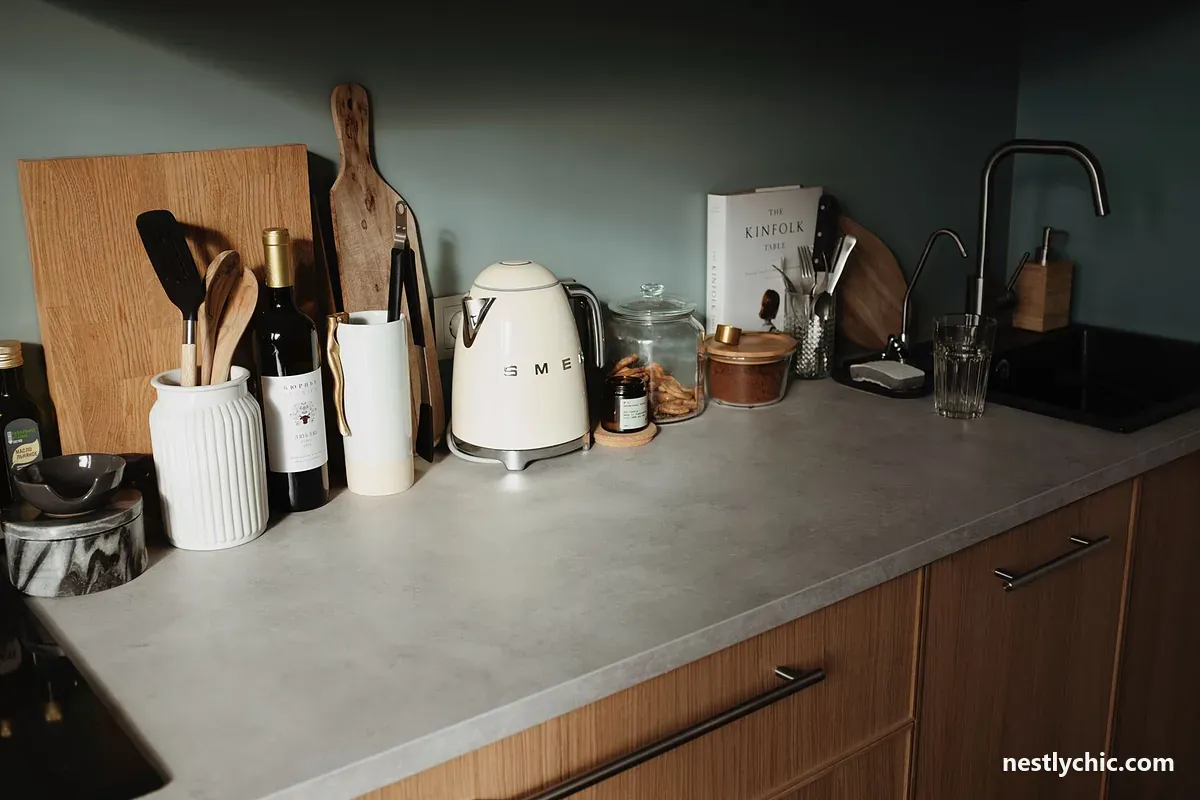
Second-home kitchens are often stocked with castoffs: the old pans, the mismatched plates, the knife that was replaced at the main house. The owners already know exactly which tools they reach for, because they use them every day somewhere else. What the second kitchen lacks is not a category. It is the good version of the tools they already love.
| Kitchen type | What it usually lacks | What that means for a gift |
|---|---|---|
| Main home, just moved | Worn items, used-up consumables, stove-specific pans | Replace or restock |
| Second or vacation home | The quality of their main-home tools | A matched copy of a favorite |
| Rarely used property | Basics that survive storage | Durable, low-care items |
In practice this means asking a simple question: what do they miss when they cook at the second house? The answer is usually specific. The knife they like, the pan they always reach for, a proper cutting board, a decent peeler. A second copy of one of those is not redundant; it removes the moment every visit when they notice it is missing.
For a property that is used only occasionally, favor items that tolerate sitting unused. Things that need regular oiling, seasoning or careful storage are a poor match for a kitchen that may sit closed for weeks.
Kitchen gifts for someone who has everything: what not to buy
The same few failures come up again and again with experienced cooks:
- Knives chosen for them. Cooks with years of experience tend to be particular about weight, handle and length. Unless they have told you the exact knife they want, this is a risky gift.
- Novelty gadgets. A well-stocked kitchen already has a tool that does the job, and a gadget competes with it for drawer space.
- Full sets. A cookware or knife set duplicates most of what they own to add one or two new pieces.
- Showpieces that need care. A household that has everything often has limited appetite for another item that must be hand washed, oiled or polished.
None of these is always wrong. Each is wrong when bought without specific knowledge of the kitchen it is going into.
A short way to decide
If you are stuck, work through the three gaps in order:
- Is something they own clearly worn? Replace it with the same type, in the right size and for the right stove.
- What did the move use up? Restock it in a grade slightly better than everyday.
- Is this a second home? Ask what they miss there, and duplicate it.
That order keeps the gift tied to the kitchen rather than to the idea of a kitchen gift, which is the whole difference between something that gets used and something that gets stored.
Frequently asked questions
What do you buy a cook who has everything?
Look for what wears out or gets used up rather than something new. A replacement for a worn nonstick pan, fresh towels, better-grade pantry staples or an appliance thermometer for a new fridge all fill real gaps in a kitchen that already has every category covered.
Is a duplicate ever a good kitchen gift?
Yes, for a second or vacation home. Those kitchens are often stocked with castoffs, so a second copy of the tool someone relies on at their main house is exactly what the second kitchen lacks.
Why is a refrigerator thermometer a useful gift for a new home?
A new refrigerator is an unknown quantity. The FDA says to keep refrigerators at or below 40 degrees F and freezers at 0 degrees F, and notes that appliance thermometers are the best way to know those temperatures. Plenty of households have never owned one.
Should I buy cookware for someone who just moved?
Only if you know their cooktop. A new house can mean a switch to induction, which needs cookware a magnet sticks to, according to ENERGY STAR. Buying a pan for the wrong stove is one of the most common ways a practical gift fails.
Are knives a good gift for an experienced cook?
Usually not, unless they have named the exact knife. Experienced cooks tend to have firm preferences on weight, handle and length, and they almost always already own the knives they use.