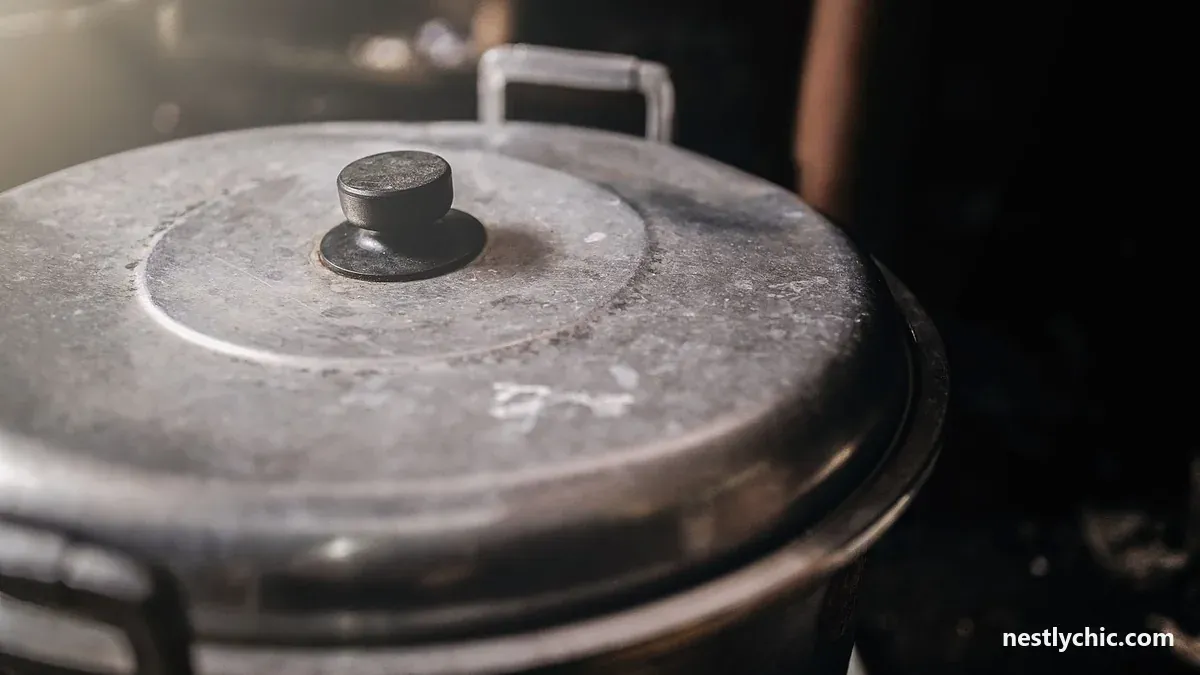
The honest answer to "when should I replace kitchen items" isn't a calendar date, it's a set of wear signs to watch for, because how fast anything wears out depends entirely on how often it's used and how well it was made to begin with. A sponge used daily in a household of five wears out faster than one used occasionally by a single cook. A budget nonstick pan shows scratches and coating loss sooner than a heavier-gauge one. This piece is built around what to actually look at, item by item, rather than a fixed schedule that assumes every household cooks and cleans at the same rate.
Most "what to replace every year" content gives a flat annual calendar: replace this every week, replace that every year, replace appliances after a decade or so, regardless of how much any individual household actually uses each item. That's a reasonable starting instinct but a poor plan, since the actual signal that something needs replacing is wear, not the passage of a specific number of months. What follows treats the first year as a period to watch for signs, not a schedule to follow blindly.
Fast-Wearing Items: Watch for the Signal, Not the Date
These items wear out based on use, not time, which is why a fixed interval is misleading for any specific household.
| Item | The real signal it's done | Why time alone doesn't tell you |
|---|---|---|
| Sponges and scrub brushes | Sour smell that returns after rinsing, fraying, or a scrub side that's shredding | Usage rate varies enormously by household size and cooking frequency |
| Kitchen towels | Rough texture or persistent odor even after washing | Depends on how many are in rotation and how often they're washed |
| Plastic cutting boards | Deep grooves that trap residue, visible staining, or warping | Knife technique and how often it's used both affect groove depth |
| Sponges' cousin, dish brushes | Bristles splaying or losing stiffness | Same usage-driven variability as sponges |
The practical habit that replaces a fixed schedule: check these items on a routine you already have, like a weekly kitchen tidy, rather than trying to remember a specific replacement date for each one.
Cookware and Tools: Wear Signs by Material

Cookware doesn't fail on a schedule either, and the signal differs by material. See the cookware material comparison for how these materials behave differently in general; the signals below are about knowing when a specific piece, of any material, is actually done.
- Nonstick coatings are worth retiring once the coating is visibly flaking, scratched down to bare metal in patches, or food sticks noticeably more than it did when new. A coating in that state isn't performing its job anymore, regardless of how many months or years it's been in use.
- Knives don't need replacing when they go dull, that's what honing and sharpening are for. A knife is actually done when the edge won't hold after sharpening, the tang is loose in the handle, or there's visible cracking or chipping in the blade itself.
- Plastic storage containers and lids are worth replacing when lids no longer seal, the container is visibly warped from heat, or staining and odor persist after washing.
What Doesn't Need a First-Year Replacement Plan at All
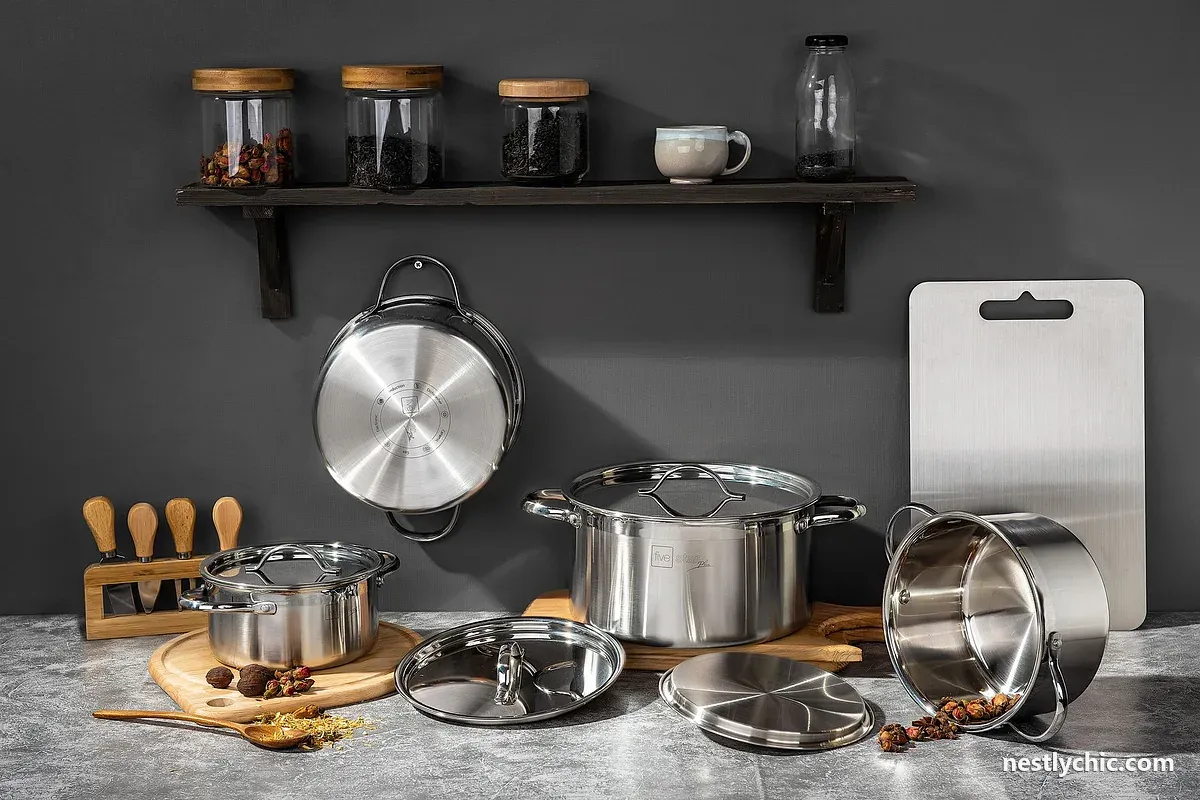
Full cladding on quality stainless cookware, cast iron, and well-made knives with proper tangs aren't part of a first-year replacement conversation in any normal use. These are the buy-once category precisely because their expected service life is measured in years to decades with basic care, not months. If something in this category is showing wear within the first year, that's usually a sign of a manufacturing defect or a mismatch between the tool and how it's being used, worth investigating rather than just replacing.
Building This Into the First Year, Realistically
Rather than trying to track a dozen separate replacement dates, fold wear-checking into habits that already exist. A monthly glance at sponges, towels, and cutting boards during a regular kitchen deep-clean catches most of the fast-wearing category before it becomes a hygiene concern. A seasonal check of cookware and knives, maybe aligned with auditing what you already own, catches the slower-wearing category without needing a dedicated calendar reminder for every single item.
When Warranty Coverage Changes the Decision
For anything still within its warranty period, a wear sign that looks like a defect rather than normal use is worth a warranty claim before a straight replacement purchase. See warranty registration and return windows for how to check what's actually still covered on a given item.
FAQ
Is there really no useful general timeline at all? General ranges exist and vary widely by brand, material, and how heavily an item is used, which is exactly why a single number printed here would be misleading for most households. Wear signs are the more reliable indicator across any usage pattern.
My nonstick pan looks fine but is a few years old. Should I replace it anyway? Not automatically. If the coating is intact, food releases normally, and there's no visible flaking or scratching to bare metal, age alone isn't a reason to replace it.
How do I know if a dull knife needs sharpening or replacing? Try honing and sharpening first. A knife that holds an edge after proper sharpening isn't done; one that won't hold an edge even after sharpening, or has a loose handle or cracked blade, is.
What's the single most commonly overlooked item that needs replacing? Sponges and dish brushes, since they're inexpensive and easy to forget about entirely once they're in daily rotation. Checking them on a regular kitchen-cleaning routine catches this more reliably than trying to remember a specific interval.
Should I set calendar reminders for replacing kitchen items? A reminder to check for wear signs is more useful than a reminder to replace on a fixed date, since the actual need to replace something depends on how it's holding up, not how much time has passed.