
Furnishing a new kitchen often means several appliances and major purchases arriving in the same stretch of weeks, each with its own return window, warranty length, and registration step, and none of those terms are the same across brands or retailers. The admin task isn't complicated, but it's easy to lose track of when six boxes show up at once. The fix is a simple triage: for every purchase, immediately save the receipt or order confirmation, note the delivery date, record the model and serial number, and register with the manufacturer as soon as it's set up, before the paperwork gets buried or the box gets recycled.
Every manufacturer publishes its own return window and warranty terms, and those numbers change by brand, retailer, purchase channel, and sometimes by product line within the same brand. Nothing here states a specific return-window or warranty-length figure as universal, because it isn't. What this piece covers instead is the sequence: what to do, in what order, and exactly where each household's own real numbers live.
Where Your Actual Terms Live
Most kitchen-appliance content is written per brand: KitchenAid's registration page, Whirlpool's registration page, Bosch's warranty terms, each accurate for that one manufacturer and silent on everyone else. A new kitchen rarely arrives from a single brand. The practical answer isn't memorizing numbers, it's knowing where to look for each purchase:
- The warranty length and what it covers is printed on the packaging, in the included manual, or on the manufacturer's own product or warranty page. It varies by brand and sometimes by component (a compressor or motor may carry different coverage than the rest of the appliance).
- The return window is set by the retailer, not the manufacturer, and is usually stated at checkout, on the order confirmation email, or on the retailer's returns policy page. It can differ for large appliances versus small ones, and for in-store versus online purchases, even at the same retailer.
- The registration deadline, if one exists, is stated on the manufacturer's registration portal itself. Some manufacturers don't set a hard deadline; others do, and missing it can affect how smoothly a future warranty claim goes.
Checking each of these at the time of purchase, rather than assuming they match what the last appliance came with, is the entire skill here.
The Paperwork Triage, One Trip at a Time

For every appliance or major kitchen purchase, the same four steps apply, and doing them immediately is far easier than reconstructing the information later:
- Save the receipt or order confirmation somewhere it won't get lost, a dedicated folder or a photo in a cloud album works. This is usually the only proof of purchase date, which most warranty and return processes require.
- Note the delivery or installation date, separately from the purchase date if they differ. Some warranties count from delivery, others from purchase; when in doubt, record both.
- Record the model and serial number before the box or manual disappears. These are usually on a sticker on the appliance itself, not just the box, so check both.
- Register with the manufacturer as soon as the appliance is set up. Registration isn't required to make a warranty valid in most cases, but it does make the manufacturer's own records match yours, which matters if a claim ever needs the original purchase date confirmed.
Extended Warranties and Protection Plans: What to Actually Decide
Retailers commonly offer an extended warranty or protection plan at checkout, priced and worded differently every time. The decision isn't about whether extended coverage is inherently worth it, it depends entirely on the specific terms offered for that specific product at that specific retailer: what it covers beyond the manufacturer's own warranty, what it costs, and whether it duplicates coverage you might already have through a card issuer or a homeowner's policy. Read the specific terms before deciding rather than defaulting to yes or no as a rule.
Where This Fits the Rest of the Buying Order
Warranty admin is easiest to handle in the same window as the purchase itself, not weeks later once the excitement of a new kitchen has moved on to the next thing. See the new home kitchen checklist for how appliance purchases sequence against everything else being bought, and auditing what you already own if some of what's arriving is replacing older items still technically under coverage somewhere. If any of the appliances were bought secondhand, warranty coverage usually doesn't transfer or apply at all; see buying kitchen equipment secondhand for what to check instead.
A Simple System That Scales
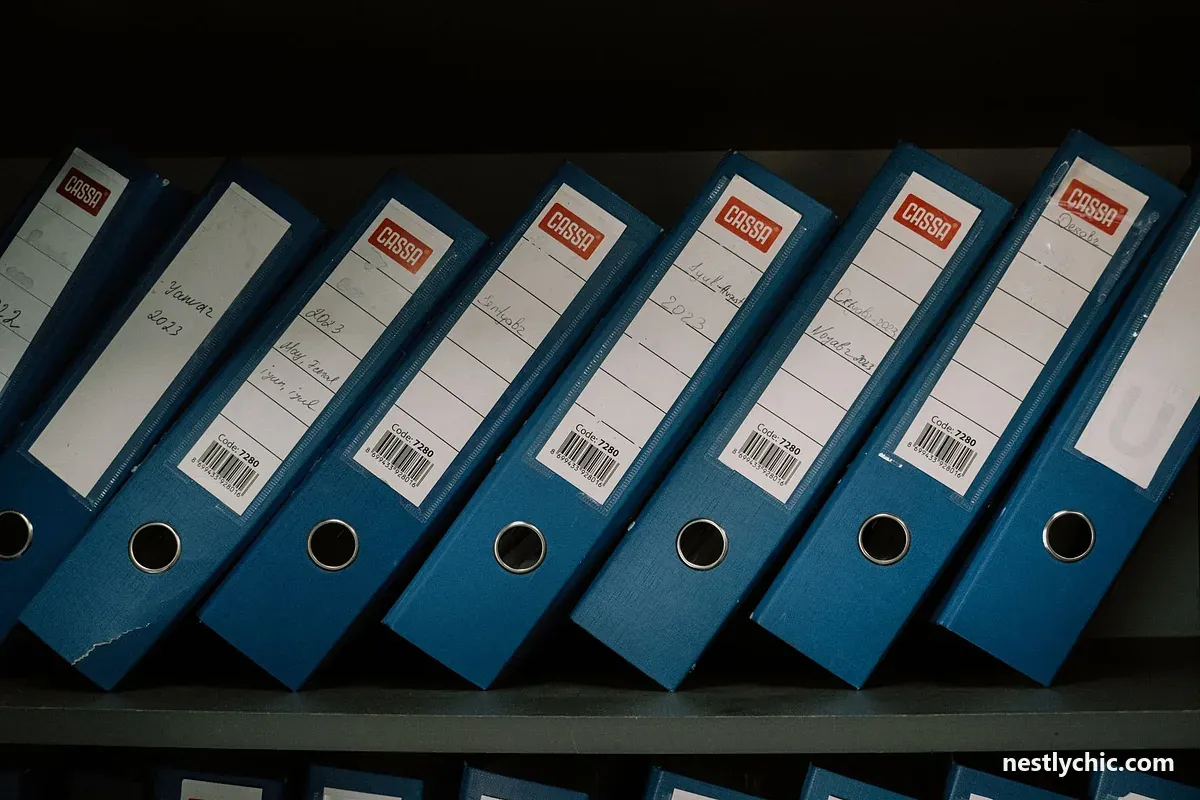
For a kitchen furnished all at once, a single folder or spreadsheet with one row per appliance, listing the retailer, purchase date, delivery date, model and serial number, warranty length as stated on that product's own paperwork, and registration status, turns a stack of loose receipts into something usable months later when it actually matters. It takes a few minutes per item at the time of purchase and saves far more time if a claim ever needs to be filed.
FAQ
How long is a typical kitchen appliance warranty? It varies by manufacturer, by product line, and sometimes by component within the same appliance. Rather than assuming a length, check the specific terms printed with that product, since they're set by the manufacturer and change across brands.
Do I have to register my appliance for the warranty to be valid? In most cases registration isn't a requirement for basic warranty coverage, a receipt is usually the primary proof needed. Registration mainly makes a future claim faster and confirms the manufacturer's records match your purchase date.
What's the difference between a return window and a warranty? A return window, set by the retailer, is a short period after purchase where you can send an item back for a refund or exchange, often for any reason. A warranty, set by the manufacturer, covers defects or failures over a longer period after that window closes.
Should I always buy the extended warranty offered at checkout? Not automatically. Read what it actually covers beyond the manufacturer's warranty, its cost, and whether similar coverage already exists through a credit card or homeowner's policy, then decide per purchase rather than as a blanket rule.
I lost the receipt for an appliance already installed. What now? Check the retailer's account or order history first, most keep digital records tied to an account or the payment method used. If that fails, the manufacturer's registration portal, if you registered at the time, is the next place to look.