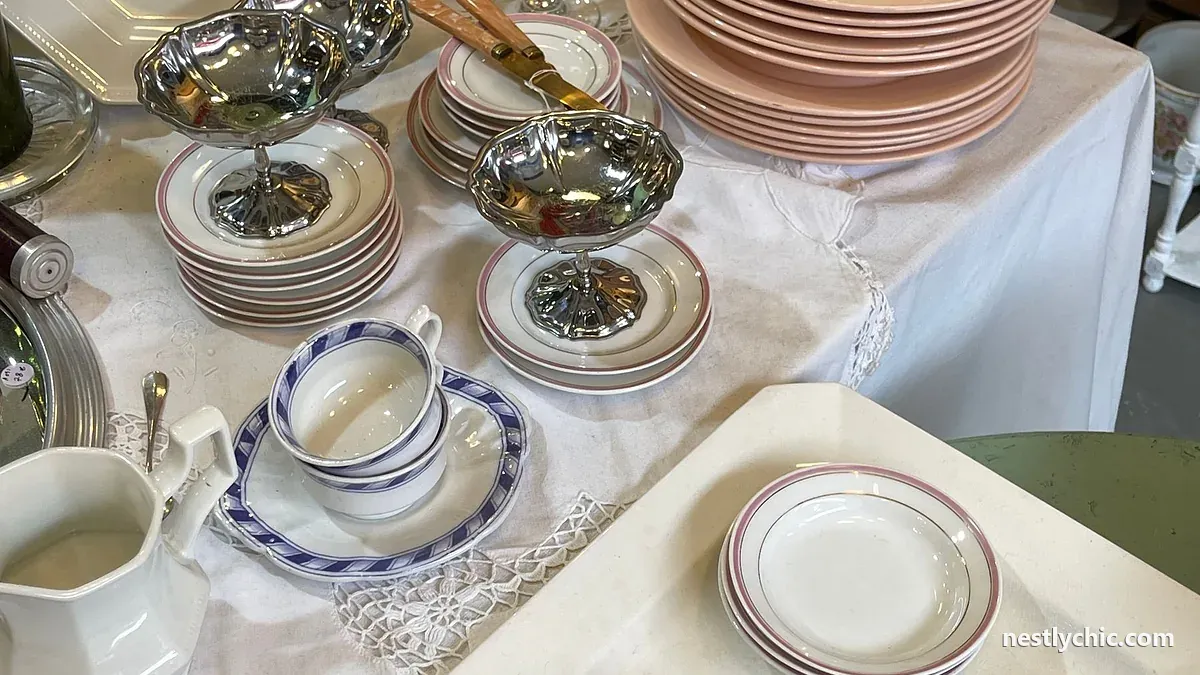
Secondhand kitchen equipment carries two genuinely different kinds of risk, and treating them the same is where most advice goes wrong. A material hazard is built into what the item is made of and does not go away with a wash, the clearest example being lead in the glaze of some vintage or imported ceramics. A condition hazard is about wear, damage or age, cracked enamel, frayed appliance cords, deep cracks in glass, and often can be checked by inspection. Solid cast iron, plain glass with no chips or cracks, and stainless cookware are generally the safest secondhand categories. Vintage and imported decorative ceramics, damaged small appliances, and anything with a hidden internal fault deserve the most caution. Neither this article nor a home test kit can clear a specific item as safe; what follows is the reasoning to apply to whatever turns up.
The Two Kinds of Hazard: Material and Condition
A condition hazard is visible or testable in principle: a chip, a crack, a frayed cord, rust through the metal. It can often be ruled out or confirmed by a careful look before buying.
A material hazard is different in kind. It is present in the object regardless of how clean or intact it looks, and inspection alone does not settle it. The clearest example in a kitchen context is lead in the glaze or decoration of certain ceramics, which can leach into food and drink even from a piece that looks pristine. This is the category that deserves the most deliberate caution, because "it looks fine" is not evidence either way.
Vintage and Imported Ceramics: What FDA's History Actually Says
The U.S. Food and Drug Administration began enforcing limits on leachable lead in ceramic tableware starting in 1971. Ceramic dishware made before that date was made under no such federal limit, which is why older pieces carry more risk as a category, not because of any single visible defect.
FDA's own guidance on lead-glazed traditional pottery states plainly that lead present in a glaze or decoration can migrate into food and drink if the piece was not manufactured to comply with FDA's limits, and identifies infants, young children and the developing fetus as the population of greatest concern from chronic low-level lead exposure. FDA has also reported that some imported pottery labeled "lead free" has, on testing, shown leachable lead at levels comparable to glazed pottery and in some cases in excess of FDA's own action levels for ceramic tableware, meaning a "lead free" label on an imported piece is not a guarantee.
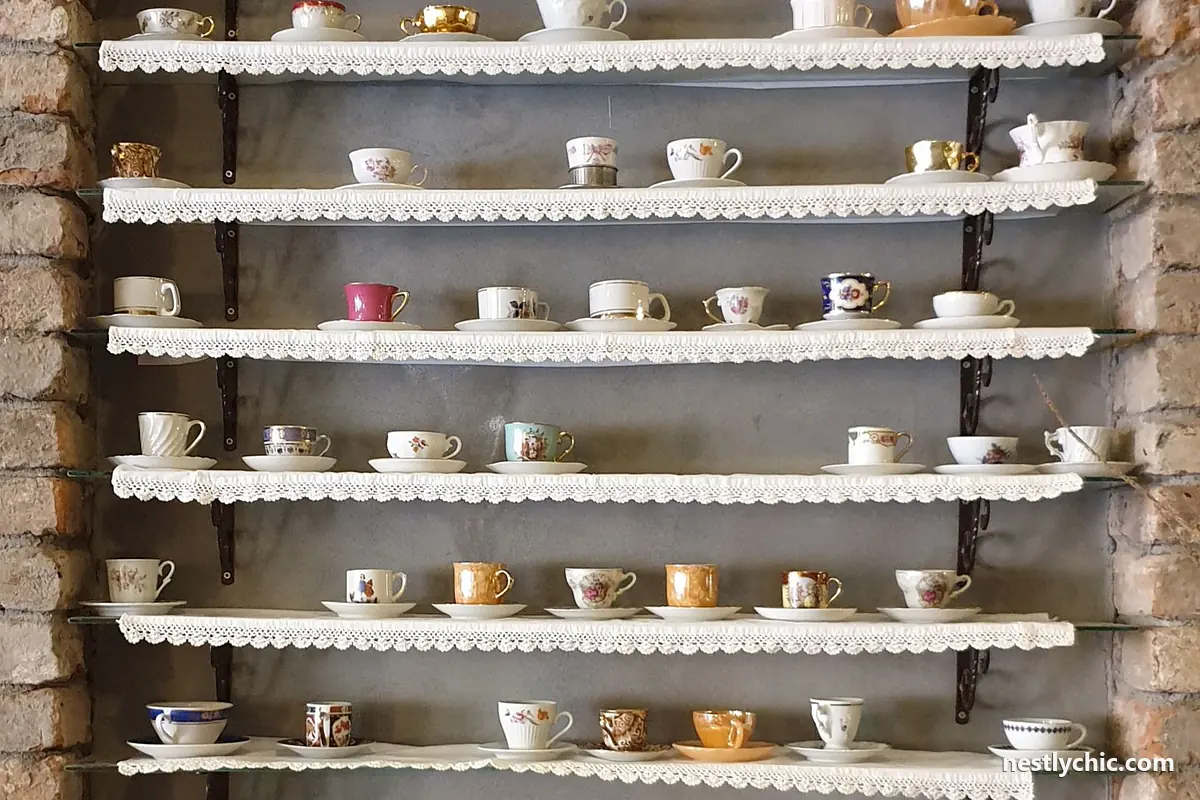
Within secondhand ceramics, decorative pieces with bright painted colors and pieces with decals or logos applied over the glaze are named risk categories in the regulatory history, since certain historical glaze pigments and overglaze decorations were more likely to contain lead. This article names the categories of concern and does not clear any specific brand, pattern or individual piece as safe. That determination requires testing this site has not done and cannot do from a description or a photograph.
What a Home Lead-Test Kit Can and Cannot Tell You
Inexpensive swab-style lead test kits, the kind sold at hardware stores for household paint, are widely available and often used on ceramics informally. They are not designed or validated for testing ceramic glaze, and a negative result on one of these kits should not be treated as proof that a piece is safe. Laboratory testing that simulates food contact more accurately exists, but it is a separate, more involved process than a hardware-store swab. Where genuine certainty matters, that is the level of testing it requires, not a quick check at home.
Cast Iron, Stainless and Plain Glass: Usually the Safest Secondhand Buys
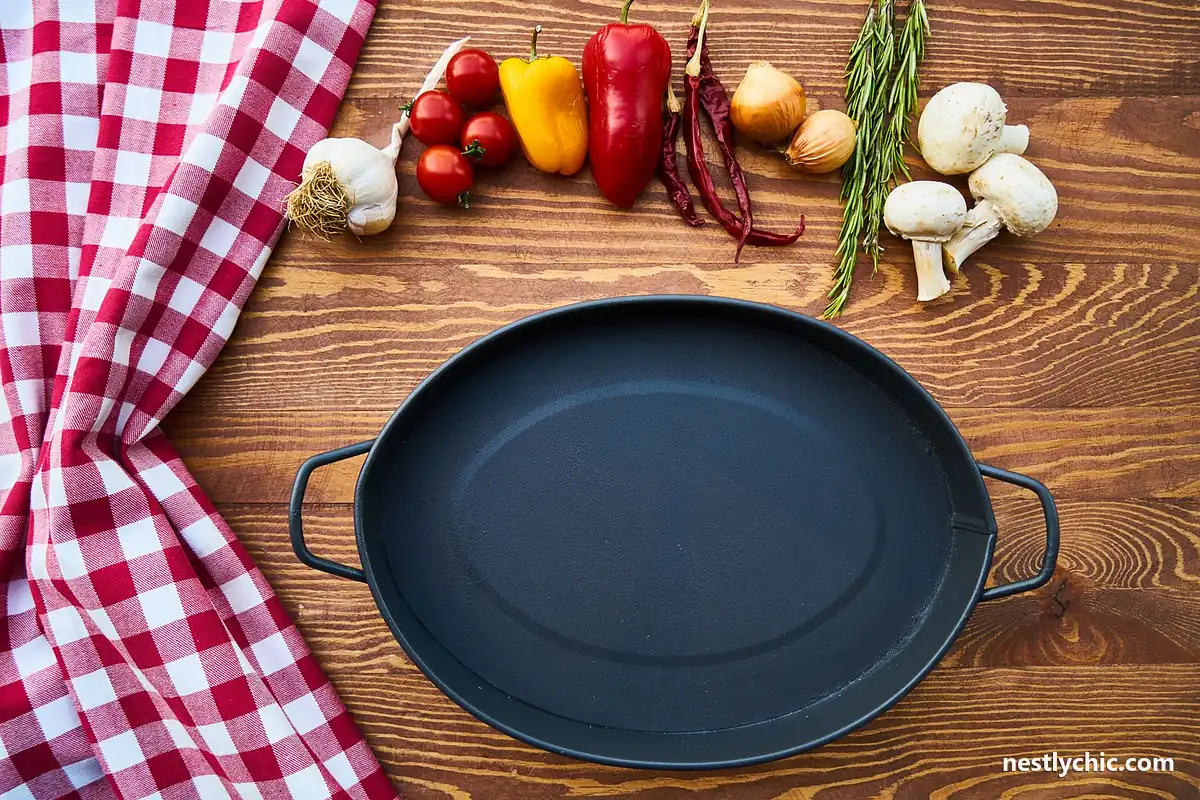
Buying secondhand is one legitimate route toward completing the full kitchen inventory, particularly for a household working from one of the tighter budget builds. Some categories are comparatively low-risk as a class, which is worth stating plainly since an all-caution piece would be as unhelpful as an all-clear one. Solid cast iron cookware, plain stainless steel cookware with no internal coating, and plain glass or glass-ceramic bakeware with no chips, cracks or crazing are generally the safest secondhand purchases in a kitchen, because the material itself does not carry the same glaze-based lead concern and surface rust or residue on cast iron is a condition issue, not a hidden material one. This is a category-level observation, not a guarantee for any specific piece, and visible damage still rules an individual item out.
Small Appliances: The Wiring and Recall Check
Secondhand small appliances, toasters, coffee makers, slow cookers, carry a different kind of risk: internal wiring and components that are not visible from the outside. A cord that is cracked, frayed or has exposed wire is an immediate disqualifier. Beyond a visual check, there is no reliable way to confirm internal wiring condition without disassembly, and a secondhand small appliance cannot be checked against a manufacturer recall without knowing its model number and manufacture date, which secondhand listings do not always provide. Where that information is available, checking it before buying is a reasonable precaution; where it is not, that absence is itself worth weighing.
Chips, Cracks and Rust: When Condition Alone Rules an Item Out
Some condition issues rule an item out regardless of material. A crack or deep chip in dishware, glass or enameled cookware creates a crevice where food residue and bacteria can accumulate in a way that normal washing does not reach. Rust through cast iron seasoning is a condition issue that can sometimes be addressed, but active rust on a cutting edge or a food-contact surface is a reasonable pass. None of this requires special testing, only a careful look before buying.
What This Article Does Not Clear
This article states categories of risk and the regulatory history behind them. It does not, and cannot, confirm that any specific brand, pattern, seller's listing or individual piece is safe or unsafe. Anyone with a genuine concern about a specific vintage or imported piece is better served by laboratory testing than by a general guide.
FAQ
Is it safe to buy vintage Pyrex or vintage dishware secondhand? It depends on the specific piece in ways a general guide cannot resolve. Plain, uncolored glass with no chips or cracks is a lower-risk category. Brightly painted or decal-decorated vintage ceramics, particularly pieces made before 1971, are the category regulatory history flags for closer scrutiny, and no specific piece is cleared here.
Can I use a home lead test kit to check secondhand dishes? You can, but treat the result cautiously. These kits are designed for household paint, not ceramic glaze, and are not a validated method for confirming ceramic dishware is safe.
Is secondhand cast iron generally safe to buy? As a category, yes, more so than decorative ceramics, since the material and safety questions are different. Surface rust and seasoning condition are things to check by inspection rather than a hidden material concern.
Should I buy a used small kitchen appliance? It carries more uncertainty than cookware, since internal wiring cannot be fully checked by looking at the outside. A visibly damaged cord is a clear disqualifier; anything else is a judgment call weighed against the appliance's price and how easily it could be replaced new.