If you are working out how to choose a coffee maker for home, start with how many cups your household drinks at once, not with features. A drip machine suits a household that drinks several cups in one sitting. A pod machine suits one or two people who want single cups at different times. A French press suits someone who is fine boiling water and cleaning up wet grounds by hand. Each type also commits you to something that keeps going after you buy it: a filter, a pod format, a grind size or a daily cleanup routine. That ongoing commitment, more than the machine, decides whether you still use it a year from now.
This guide covers the machine as a purchase. It does not cover pod compatibility between brands, cleaning or descaling routines, or connected "smart" brewers.
What each type of coffee maker actually commits you to
Every coffee maker is really two purchases: the machine and the thing you have to keep buying or doing to use it. Retail buying guides list features. They rarely spell out the second purchase, which is the part you live with.
| Type | Best batch size | What you keep buying | What you do every day | What it asks of the counter |
|---|---|---|---|---|
| Automatic drip | Several cups at once | Paper filters (or a reusable basket filter) and ground coffee | Empty the basket, rinse the carafe | A permanent spot, with room above for the lid to open |
| Single-serve pod | One cup at a time | Pods in the format that machine accepts | Empty the used pod, refill the water tank | A permanent spot, often with room behind for the tank |
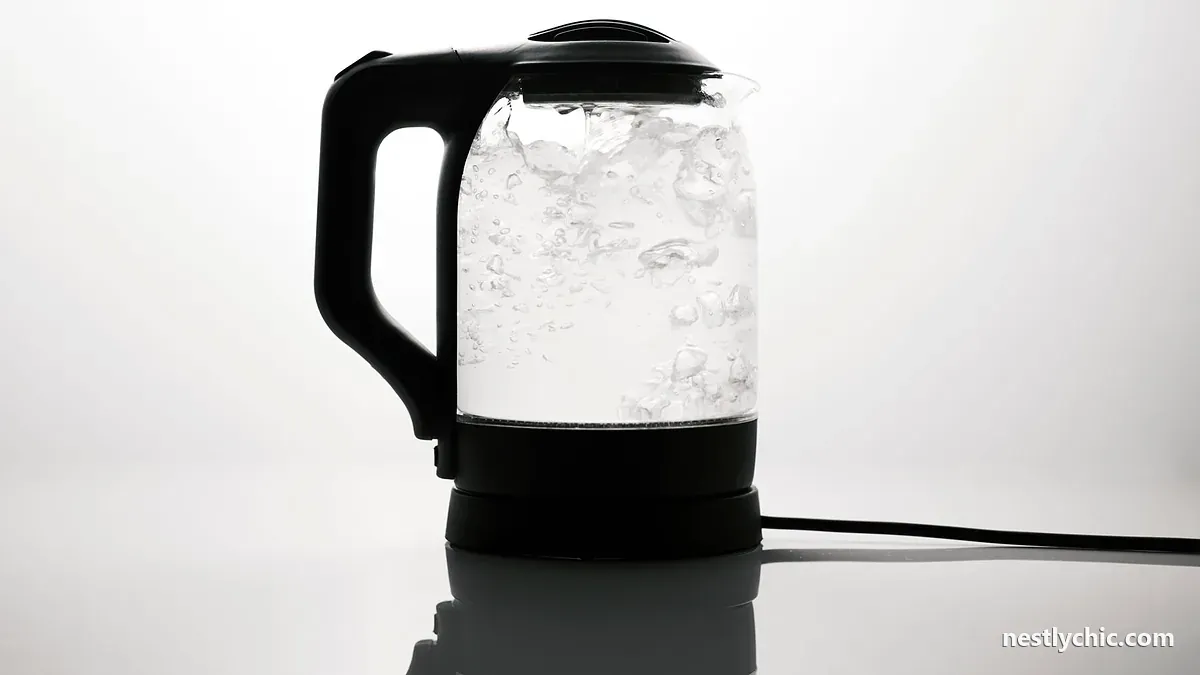
| French press | One to a few cups | Coarse ground coffee (or a grinder) | Boil water, scoop out wet grounds, wash the mesh | None when stored; a kettle is needed |
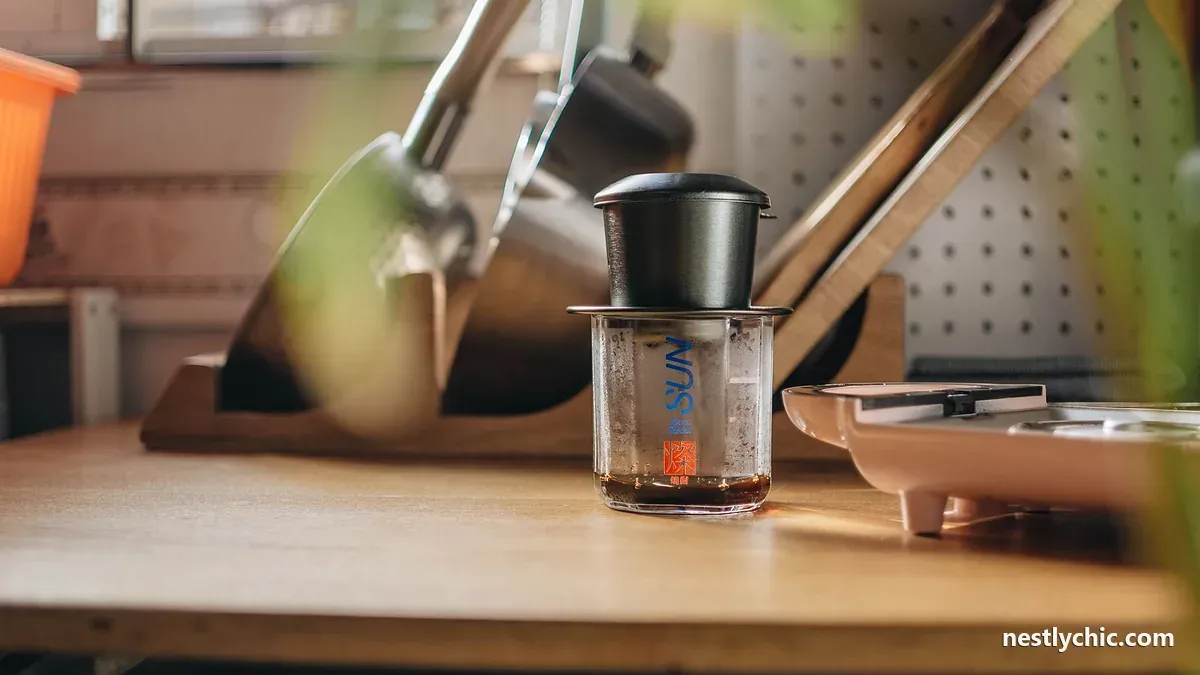
| Pour-over cone | One to two cups | Paper filters in the cone's shape and size | Boil water, pour by hand, discard the filter | Almost none |
Read the "what you do every day" column honestly. The machine you pick should match the morning you already have, not the one you plan to have.
Automatic drip: the household machine
A drip coffee maker heats water, showers it over ground coffee in a filter basket and drips the result into a carafe. It is the right choice when two or more people drink coffee at roughly the same time, or when one person drinks several cups through the morning.
Temperature and brew time are where drip machines differ
The chemistry reason drip machines vary so much in taste is extraction. Water that is too cool pulls out too little from the grounds, and a brew cycle that runs too long pulls out bitter compounds. The Specialty Coffee Association runs a Certified Home Brewer program that tests machines against its brewing standards. Moccamaster, a drip brewer maker, summarizes those standards on its own page about SCA certification (read September 27, 2026): the brew temperature range "should be between 197°-205°F (92°-96°C)," and "at full capacity, the brewer maintains water contact with the coffee grounds between 4 to 8 minutes." You can read the Moccamaster explanation of the SCA Golden Cup standard for the full list.
You cannot measure brew temperature in a store, which is why the certification is useful: it is a third party checking what the box cannot show you.
Glass carafe on a hot plate, or a thermal carafe
This is the drip decision that changes how the coffee tastes an hour later. A glass carafe sits on a heating plate that keeps adding heat. A thermal carafe is insulated and has no heating element under it. The same Moccamaster page states that under the SCA standard the brew "must stay within the range of 176°-185°F (80°-85°C) for at least 30 minutes post-brew," and that "the machine must never actively reheat the brew." Consumer Reports' coffee maker buying guide (read September 27, 2026) notes that the constant heat of a hot plate "may have a negative affect on your coffee's flavor," while thermal carafes "tend to dribble and can sometimes be difficult to handle."
If your household drinks the pot within a short window, a glass carafe works. If coffee sits for a while, a thermal carafe is the choice that protects taste.
What drip commits you to
Filters: check whether the machine takes a flat-bottom basket filter or a cone filter, and which size, because that is what you will buy for as long as you own it. Some machines include a reusable mesh filter. Ground coffee in a medium grind. Counter space with clearance above, since many machines open from the top to add water and grounds. Measure the gap between your counter and the upper cabinets before you buy; our guide to standard kitchen cabinet dimensions explains where that gap usually comes from.
Single-serve pod: the one-cup machine
A pod machine pushes hot water through a sealed, pre-measured pod. It is the choice for a household where people drink one cup at a time, at different times, and each wants something different. There is no carafe to wash and no grounds to scoop.
What pod commits you to
The pod format. A pod machine only runs the pods it was designed for, so the machine you buy decides which coffee you can buy for as long as you own it. Some machines accept a refillable pod that takes your own ground coffee, which loosens that commitment. Check before you buy whether a refillable option exists for that specific model.
Ongoing pod purchases. Consumer Reports states that "pod machines tend to be more expensive to operate than other types because pods cost more than most ground coffee or whole beans." It also notes that spent plastic pods "can end up in landfills," even though the largest makers say their pods are recyclable. Whether that matters is your call, but it is a cost that repeats every week, not once.
A water tank to refill. Many pod machines have a tank at the back or side. That affects where the machine can sit: pushed into a corner under a cabinet, a rear tank may be awkward to lift out.
Pod machines make one cup well and many cups slowly. A household of four that all want coffee at 7 a.m. will wait in line.
French press: the manual option
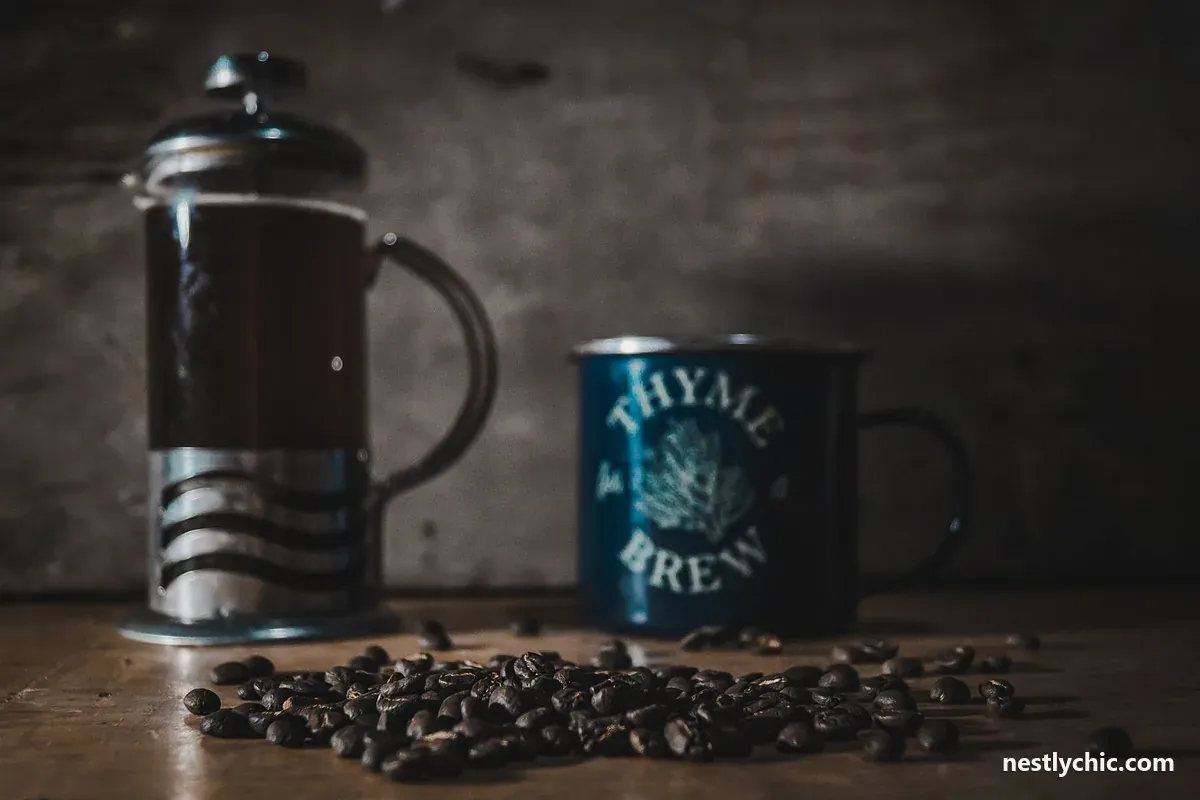
A French press steeps coarse ground coffee directly in hot water, then a mesh plunger pushes the grounds to the bottom. It needs no electricity of its own, but it needs a kettle.
The material reason press coffee tastes different
A metal mesh lets through coffee oils and very fine particles that a paper filter would trap. That is why press coffee has more body and a little sediment at the bottom of the cup. Some people prefer it, some do not. Try a cup before you commit to it as your only method.
What a press commits you to
Coarse ground coffee. A fine grind slips through or clogs the mesh, which makes the plunger hard to push. Pre-ground coffee sold for drip is usually too fine, so a press often leads to buying a grinder or buying coffee ground to order.
A kettle. If you do not already own one, a press is really a two-item purchase.
Hand cleanup. Wet grounds do not rinse down most drains well, so they are scooped out, and the mesh needs washing. Glass beakers can break, so check whether the press is glass, stainless steel or plastic before you buy. Our guide on why some drinking glasses shatter explains the thermal shock behind breakage in glass.
Pour-over, cold brew and espresso, briefly
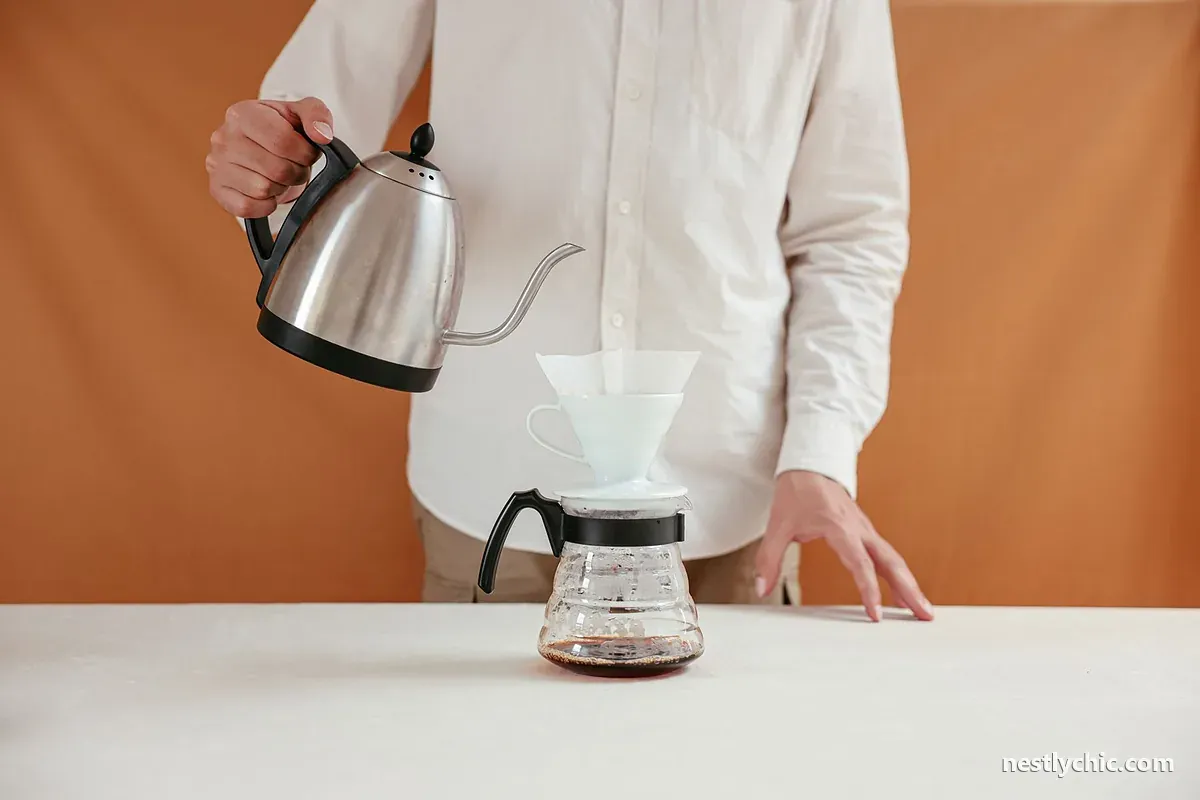
A pour-over cone is the smallest and cheapest route to filtered coffee, but you pour the water by hand, so it suits people who enjoy a few minutes of attention in the morning. Cold brew steeps for hours and is made ahead, so it is a second method for iced coffee, not usually a household's main one. Espresso machines are a separate category with their own learning curve and counter footprint; they are a hobby purchase more than a default one, and they are outside the scope of this guide.
How to choose a coffee maker for home: a four-question check
Answer these in order. The first answer usually decides it.
- How many cups does your household drink at the same time? Three or more at once points to drip. One at a time, at different times, points to pod or a press.
- What will you keep buying? Filters and ground coffee, a specific pod format, or coarse ground coffee. Pick the consumable you are happy to buy every week.
- What cleanup will you actually do before work? Rinsing a carafe, emptying a pod, or scooping wet grounds. Be honest.
- Where does it live? Measure the counter depth and the height under the upper cabinets. A machine that has to be pulled out to open is a machine that gets used less.
If two types tie, the cheaper, simpler one is usually the right first purchase. Our list of kitchen gadgets you don't need makes the same point about single-purpose machines: buy the upgrade once you know the habit is real.
Features worth paying for, and ones to skip
Worth considering: a thermal carafe if coffee sits after brewing, a programmable timer if you want coffee ready when you wake, and a removable water reservoir if the machine sits under cabinets.
Often skipped: built-in grinders you will not clean, multiple strength settings you set once and forget, and combination drip-plus-pod machines that take up the counter space of two machines. Pick the two or three features that fix a real daily annoyance.
For reliability, lean on a testing organization rather than a feature list. Consumer Reports publishes brand reliability based on its member surveys; you can start from its coffee maker buying guide. We do not test machines ourselves, so we do not rank models here.
Once you do buy, keep the receipt and register the warranty; our kitchen appliance warranty registration guide covers what to keep and where.
Frequently asked questions
Is a drip coffee maker or a pod machine better for a family?
For a household where several people drink coffee at the same time, a drip machine is usually the better fit because it brews a full carafe in one cycle. A pod machine makes one cup per cycle, so it suits households where people drink at different times or want different coffees.
Does a thermal carafe really keep coffee better than a glass one?
A glass carafe sits on a hot plate that keeps adding heat, which Consumer Reports says may hurt flavor. A thermal carafe holds heat through insulation without reheating. The SCA standard, as summarized by Moccamaster, requires that certified brewers never actively reheat the brew.
What does SCA certification on a coffee maker mean?
It means the Specialty Coffee Association tested that machine against its brewing standards, including brew temperature and brew time. It is useful because those are things you cannot check in a store. It is not a reliability rating.
Do I need a grinder for a French press?
Not always, but often. A press needs a coarse grind, and most pre-ground coffee is ground finer for drip machines. You can buy coffee ground to order for a press, or buy a grinder if you want fresh grounds every time.
Can one coffee maker do everything?
Combination machines pair a drip brewer with a single-serve side. They offer flexibility but take up more counter space, and you inherit the consumables of both. For most first kitchens, one type chosen for how the household actually drinks is the simpler choice.