Short answer: Is a pressure cooker safe to use? A well-made modern one, used exactly as its manual says, is designed to be. Current models carry several safety mechanisms, including lids that lock while there is pressure inside and valves that release excess pressure. But recent recalls from the US Consumer Product Safety Commission (CPSC) show the same failure again and again: a lid that could be opened, or came loose, while the pot was still pressurized, spraying hot food. So the safety question is partly a buying question. The model you choose, and whether it is under recall, matter as much as how you use it.
If a pressure cooker frightened you years ago, that fear had a real basis. This guide explains what changed, what still goes wrong, and what to check before you bring one home.
Why pressure cookers earned their reputation
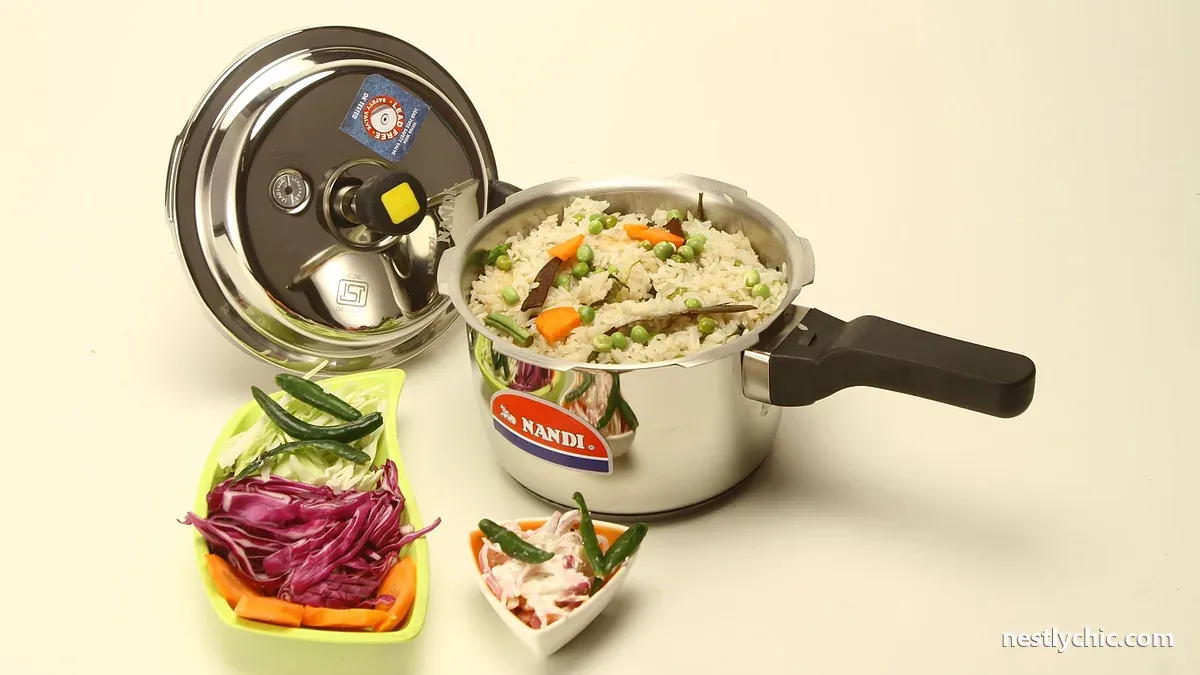
A pressure cooker is a sealed pot. As the liquid inside heats, the steam cannot escape, so pressure builds and the boiling point of the water rises. That hotter, wetter heat is why food cooks faster. It is also the whole hazard: the pot is holding back steam and liquid hotter than an open pot can reach, and if the seal fails or the lid comes off while that pressure is still there, the contents come out with force.
Older designs relied heavily on a single weighted valve on top. A University of Florida IFAS Extension publication on electric pressure cookers, by Nelly Nelson, Meghan Brunelli and Tara Jett (read on September 25, 2026), notes that "early models of pressure cookers gained a reputation for being 'dangerous' due to their poorly constructed weighted valve, which would easily clog while cooking." A clogged vent with nowhere else for pressure to go is exactly the scenario people remember.
What modern safety mechanisms do
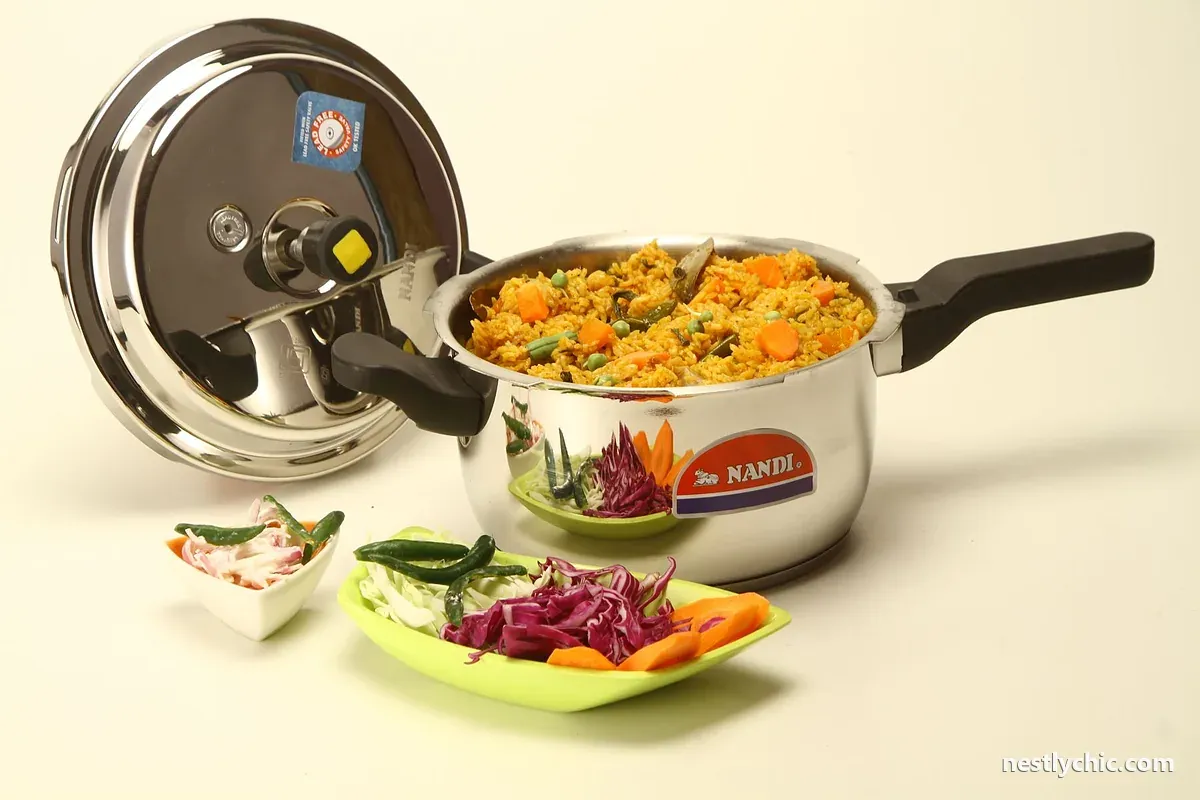
The same UF IFAS publication says that "today, pressure cookers now come with several fail-safe mechanisms to ensure safety, such as multiple valves, dual pressure regulators, and spring-loaded locks." In plain terms, those parts do three jobs:
| Mechanism | What it does | Why it matters |
|---|---|---|
| Lid lock | Keeps the lid from opening while the pot is pressurized | Stops the classic "lid off under pressure" burn |
| Float or pressure indicator valve | Rises when there is pressure inside and drops when it is safe | Tells you whether the lid should be opening at all |
| Pressure release and backup valves | Let steam out in a controlled way, and vent excess pressure if the main path blocks | Keeps pressure from building beyond what the pot is designed for |
| Gasket (sealing ring) | Seals the lid to the pot | A damaged or missing gasket stops the pot sealing properly |
The mechanisms are only as good as their design and manufacture, and only work if the parts are present, clean and in good condition. That is where the recalls come in.
Electric multicooker or stovetop?
The UF IFAS publication notes that "Stovetop pressure cookers can reach higher temperatures and pressures than electric pressure cookers," and that with electric models "you don't have to watch them as closely as stovetop pressure cookers." An electric multicooker controls its own heat. A stovetop model depends on you adjusting the burner. Neither is automatically safer; they fail in different ways, and they ask different things of the cook.
If you are considering a stovetop pressure cooker for an induction range, its base must work on induction. Our guide to checking whether cookware is induction compatible explains the magnet test.
What the recalls actually show
Reading CPSC's own recall notices is the most useful thing a buyer can do, because they describe real failures in plain language. Three recent examples, each read on September 25, 2026:
- SharkNinja Foodi multi-function pressure cookers, recalled May 1, 2025. CPSC's recall notice states: "The pressure-cooking lid can be opened during use, causing hot contents to escape, posing a risk of burn injuries to consumers." About 1.8 million units were recalled in the US, and the firm received 106 reports of burn injuries, more than 50 involving second- or third-degree burns. The remedy was a free replacement lid.
- Insignia pressure cookers sold by Best Buy, recalled October 26, 2023. CPSC said the inner pot had "incorrect volume markings," which "can cause consumers to overfill the pot and hot food and liquids to be ejected when the pressure cooker is vented using the quick release method or opened while its contents are pressurized." About 930,000 units were recalled.
- Gourmia pressure cookers, CPSC warning of February 24, 2026. CPSC's warning says the float valve is "located inside the handle, and is difficult to see," and also cites incorrect volume markings. This is a warning rather than a recall: CPSC says the importer and the retailer "have refused to agree to an acceptable recall," and it urges owners to stop using the cookers and dispose of them.
The pattern a buyer can use
Put those notices side by side and the failures cluster in the same few places:
- The lid, opening or detaching while the pot is still under pressure.
- The pressure indicator, placed where a cook cannot easily see it.
- The fill markings, printed wrong so that people overfill without knowing.
Those are exactly the parts you can look at before buying. None of them requires a lab.
Five checks before you buy a pressure cooker
This site has not tested any pressure cooker, and we do not rank models. These checks come from the failure pattern in CPSC's notices and from the makers' own documentation.
- Search the model on CPSC's recall pages. Search the brand and model at cpsc.gov before buying, new or used. A recall notice names the models, the hazard and the remedy. This matters most for secondhand cookers, which may predate a recall fix; our guide to buying kitchen equipment secondhand covers which used items are worth the risk.
- Look at how the lid locks. The manual and product pages should describe a lid that cannot be opened while the pot is pressurized. If a model's documentation does not explain its lid lock, treat that as a reason to keep looking.
- Find the pressure indicator. Before you buy, find where the float or indicator valve sits. You want one you can see clearly from where you stand to open the lid. The Gourmia warning turns on a valve that was hard to see.
- Check the fill markings. Maximum fill lines should be clearly marked inside the pot. CPSC's Insignia notice advises verifying that the inner pot is not filled beyond two-thirds capacity during pressure cooking. If markings are missing or unclear, the manual should state the limits plainly.
- Confirm a safety certification mark and replacement parts. Look for a certification mark from an independent testing laboratory on the product or in its manual, and check that the maker sells replacement gaskets and valves. A gasket wears out, and a cooker you cannot get parts for is harder to keep safe.
After buying, register the product with the maker so a recall notice can reach you. Our kitchen appliance warranty registration guide explains what to keep and why.
Using it: the manual is the procedure
We deliberately do not publish an operating procedure here, because the only correct procedure is the one written for your model. The UF IFAS authors put it simply: "Always read the manual before using your pressure cooker." They also advise checking that "the silicone gasket is intact and the locking cover seals securely" and to "not block the venting valve while cooking or releasing pressure."
CPSC's Insignia recall notice gives three general checks worth knowing: that the inner pot is not filled beyond two-thirds capacity when pressure cooking, that the lid is fully locked before pressure cooking starts, and that the floating locking valve has dropped before you try to open the lid. Everything else, from minimum liquid to release methods, comes from your model's manual.
Stop conditions, whatever the model:
- If the lid will not open, do not force it. A lid that resists may still be holding pressure.
- If steam is escaping from the rim rather than the valve, stop using it and check the gasket and lid against the manual.
- If your model appears in a CPSC recall or warning, stop using the affected function and follow the remedy in the notice.
- If you are burned, cool the burn and seek medical care for anything beyond a minor burn.
So, should you buy one?
Here is the honest answer the product pages will not give you. A pressure cooker asks for more attention than an ordinary pot, and the recalls show that design faults do reach the market, including from large brands. At the same time, modern designs address the failure that gave old cookers their reputation, and the checks above let you screen out the weakest designs before you pay.
If you want one, buy a model whose lid lock and pressure indicator you understand, check it against CPSC's recall pages, and keep its manual where you cook. If you would rather not manage a pressurized pot at all, a heavy covered pot on the stove does many of the same jobs more slowly; our guide to what size Dutch oven a family of four needs covers that route.
Frequently asked questions
Can a modern pressure cooker explode?
Modern designs include multiple valves and lid locks meant to release pressure safely and keep the lid closed while pressurized. CPSC notices describe the real-world failures as lids opening or detaching under pressure and contents being expelled, which is why the lid lock and pressure indicator are the first things to check.
Are electric pressure cookers safer than stovetop ones?
They are different, not automatically safer. A University of Florida IFAS publication notes stovetop models can reach higher temperatures and pressures, and that electric models need less close watching. Both depend on good design and on following the manual.
How do I check if my pressure cooker has been recalled?
Search the brand and model number on CPSC's website, cpsc.gov. Recall notices name the affected models, describe the hazard and explain the remedy, such as a replacement lid or pot.
Is it safe to buy a used pressure cooker?
It can be, with extra checks. Confirm the model is not under recall, that the lid lock and indicator valve work as the manual describes, and that you can buy a new gasket for it. If you cannot find the manual or parts, it is safer to buy new.
How full can I fill a pressure cooker?
Follow your model's manual. As a general check, CPSC advises verifying that the inner pot is not filled beyond two-thirds capacity during pressure cooking. Your manual may set different limits for foods that foam or expand.