Short answer: Blender vs food processor, which do I need? Buy a blender if most of what you want to make is liquid or should end up smooth: drinks, pureed soups, sauces. Buy a food processor if most of what you want is prep: chopping, slicing, shredding, and mixing thick or dry mixtures. They look similar, but they move food in different ways. A blender's tall jar needs liquid to keep food circulating into the blade. A food processor's wide bowl works dry and can slice and shred with discs, which a blender cannot do at all.
The question behind this search is fair: "They both chop things. Why would I need both?" Most households do not. But the one you pick first should match the jobs you do weekly, not the ones you imagine doing.
Why they are built so differently
The difference is in the shape of the container and the blade, and it comes before any feature list.
Breville's guide to food processors and blenders, read on September 25, 2026, describes a blender as a "long jug and upward-facing blade" with "prongs that help create a whirling vortex," and says blenders "typically work best when some kind of liquid is included." It describes a food processor as having "S-shaped blades that sit on top of a sturdy base and circulate throughout a round work bowl," able to "mix, shred, and emulsify dry ingredients on their own."
Here is the physical reason behind those descriptions:
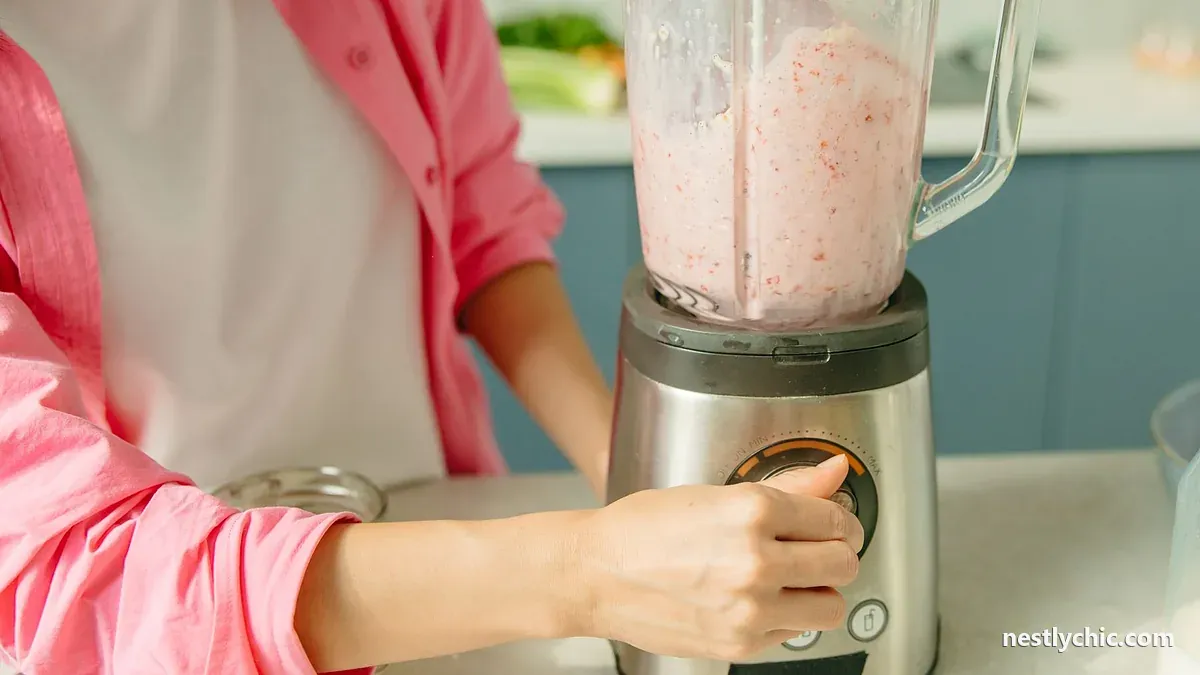
- A blender works by circulation. The narrow jar and fast blade pull the contents down, through the blade, and back up the sides. Liquid is what keeps that loop moving. With too little liquid, solids pack around the blade, an air pocket forms, and the blade spins without catching food. That is why blenders make smooth results: everything passes the blade over and over.
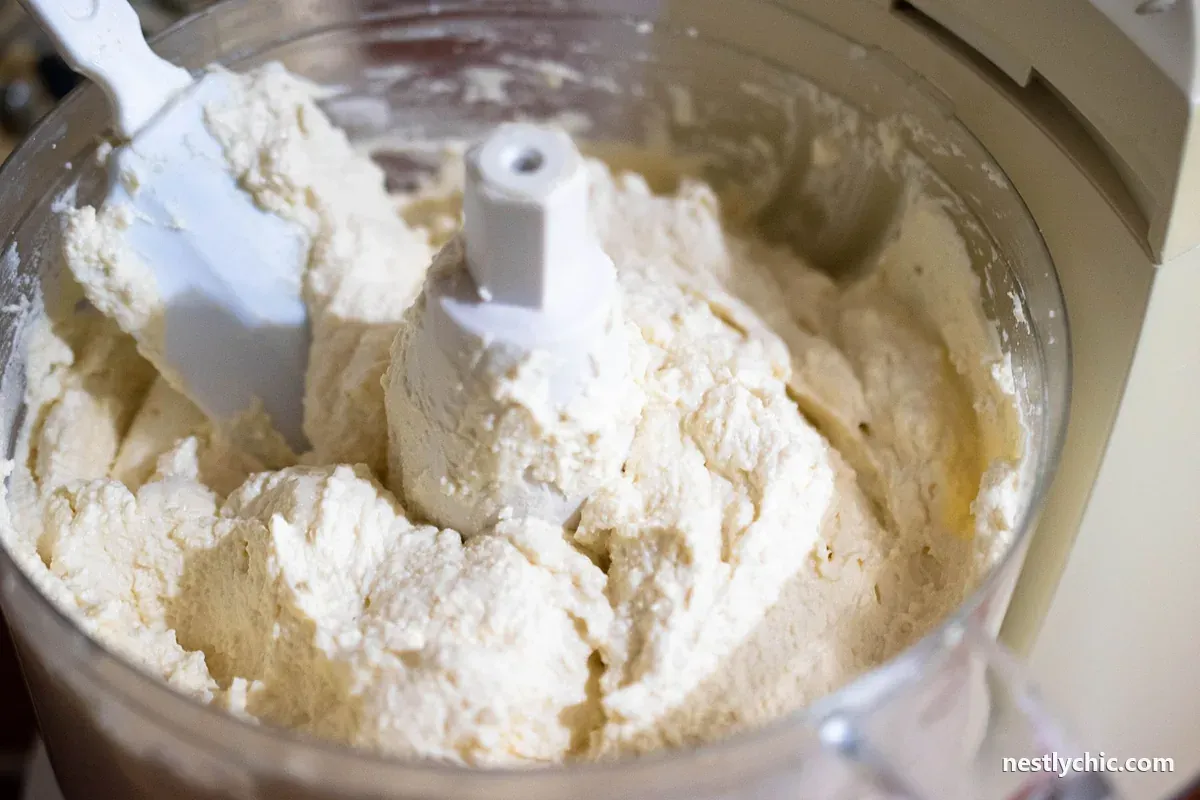
- A food processor works by cutting in a wide, shallow space. The S-blade sweeps through a broad bowl, and food is thrown outward and falls back into its path. It does not need liquid to keep moving, so it can chop without turning everything to paste. Stop it early and you get pieces; run it longer and you get a coarse puree.
- Only a food processor slices and shreds. Slicing and shredding discs sit at the top of the bowl, and food goes down a feed tube onto the spinning disc. A blender has nothing equivalent. No amount of pulsing in a jar produces an even slice.
Blender makers acknowledge the limit themselves. Vitamix's page introducing its containers and attachments, read on September 25, 2026, describes a separate Dry Grains Container that keeps "dry ingredients moving smoothly to prevent clumping," and a Food Processor Attachment that "slices, chops, and shreds with precision." When a blender maker sells a different container for dry work and a food processor attachment for prep, that is a strong sign the standard jar is not built for either job.
Blender vs food processor: which jobs each does well
| Job | Blender | Food processor |
|---|---|---|
| Drinks and smoothies | Built for it | Poorly suited; the wide bowl is not designed for large volumes of liquid |
| Pureed soups and smooth sauces | Built for it | Coarser result |
| Crushing ice | Some are designed for it; check the manual | Not its job |
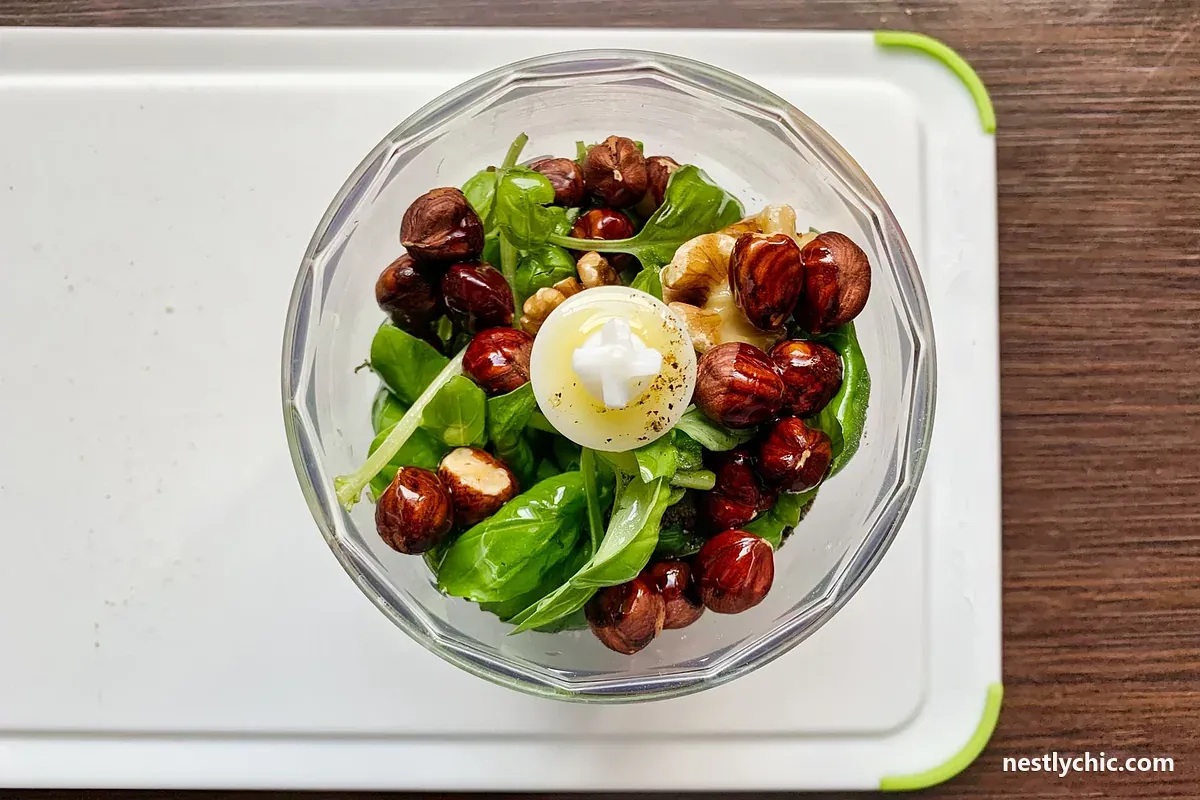
| Chopping onions, herbs, nuts | Uneven; tends toward paste | Built for it, with pulse control |
| Slicing and shredding vegetables or cheese | Cannot do it | Built for it, with discs and a feed tube |
| Thick dips and spreads | Possible with enough liquid and stopping to scrape | Built for it |
| Doughs and crumb mixtures | Generally not suited | Some models handle it; check the manual |
Breville's guide sums up the split in its own terms: a food processor for jobs that "slice, dice, grate, shred, and more" and "heartier texture" dishes, a blender for "crushing ice and bringing ingredients to a smooth paste or liquid" and a "smoother, silkier consistency."
Where they overlap
The overlap is real but narrow. Both can make a chunky dip, both can crumb bread, and both can puree soft cooked vegetables. In the overlap, each is a little worse at the other's side: a blender can chop if you work in pulses with some liquid, but unevenly; a food processor can puree, but not as smoothly. If the overlap covers most of what you make, one machine is enough.
Which do I need? A decision by household habit
Ignore the dishes you plan to try someday. List what you actually made in the last two weeks, then use this:
Buy a blender first if:
- Someone in the household drinks blended drinks several times a week.
- You make pureed soups, smooth sauces or batters regularly.
- Most of your chopping is small quantities you are happy to do with a knife.
Buy a food processor first if:
- You prep vegetables in quantity: shredding cabbage, slicing potatoes, grating cheese for several meals at once.
- You make doughs, crumb mixtures or thick spreads often.
- Nobody in the house drinks smoothies.
Consider both only if:
- Both lists above describe your household, week after week.
The honest trade-off: a food processor usually comes with more parts to wash and store, including discs, blades, a pusher and a large bowl. A blender is usually one jar, one lid and one blade assembly. If you cook large batches for a big household, the food processor's extra parts pay back in saved knife time. If you cook for one or two, the processor is the one more likely to sit unused while the blender comes out often. That is a tendency, not a rule, so decide from your own list, not from anyone else's.
Before buying either, it is worth asking whether you need a machine at all yet. A good chef's knife and a box grater cover a great deal of food processor work in a small household. Our guide to kitchen gadgets you don't need, and what to use instead makes that case for several other single-purpose tools.
What to check on either one before buying
This site does not test appliances and does not rank models. For performance judgments on specific models, look to an independent testing organization such as Consumer Reports. What you can check yourself, on any model, before you buy:
- Container size against household size. A small household rarely fills a large processor bowl, and a small bowl overflows with family-size batches. Match the capacity to your usual batch, not the largest one you can imagine.
- What comes in the box. For a food processor, check which discs and blades are included and whether replacement parts are sold. A processor without a slicing disc loses much of the reason to own one.
- The safety interlock. Read how the manual says the blade is prevented from running when the bowl and lid are not locked in place. Never use a machine where an interlock has been bypassed.
- Hot liquids. If you plan to blend hot soup, read what the blender's manual says about hot contents before you buy. Some models are designed for it and some are not, and the manual is the only reliable answer.
- How it cleans. Check which parts the maker lists as dishwasher safe. Our guide to what the dishwasher-safe symbol guarantees explains what that label does and does not promise.
If you are building a first kitchen and deciding where appliance money should go, our guide to where to spend and save in a first kitchen helps you rank countertop appliances against everything else you need.
Frequently asked questions
Can a blender replace a food processor?
Only partly. A blender can chop soft foods in pulses and make chunky dips with some liquid, but it cannot slice or shred, and it struggles with dry, thick mixtures. If you prep vegetables in quantity or make doughs, a blender will not replace a food processor.
Can a food processor make smoothies?
It can mix soft fruit, but it is poorly suited. The wide bowl is not designed for large volumes of liquid, and results are coarser than a blender's. If drinks are a daily habit, a blender is the right tool.
Why does my blender need liquid?
A blender works by circulation: the narrow jar and blade pull contents down through the blade and back up the sides. Liquid keeps that loop moving. Without enough of it, food packs around the blade and an air pocket forms, so the blade spins without catching the food.
Which should I buy first for a new kitchen?
List what your household made in the last two weeks. If it was mostly drinks, soups and sauces, start with a blender. If it was mostly chopping, shredding and doughs, start with a food processor. Buy the second only if both lists stay true week after week.
Do blender and food processor combos work?
Some blender makers sell food processor attachments for their bases; Vitamix, for example, describes one that slices, chops and shreds. Check whether the attachment includes discs and a feed tube, and whether your specific blender base is compatible, before assuming it replaces a separate machine.