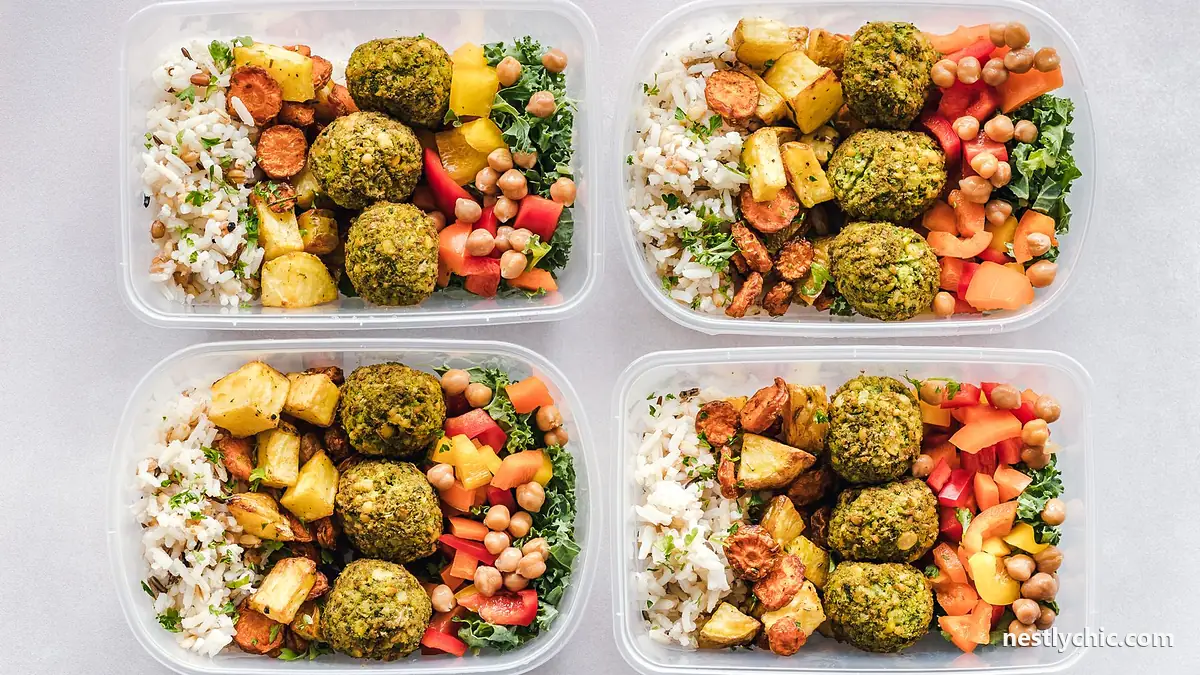
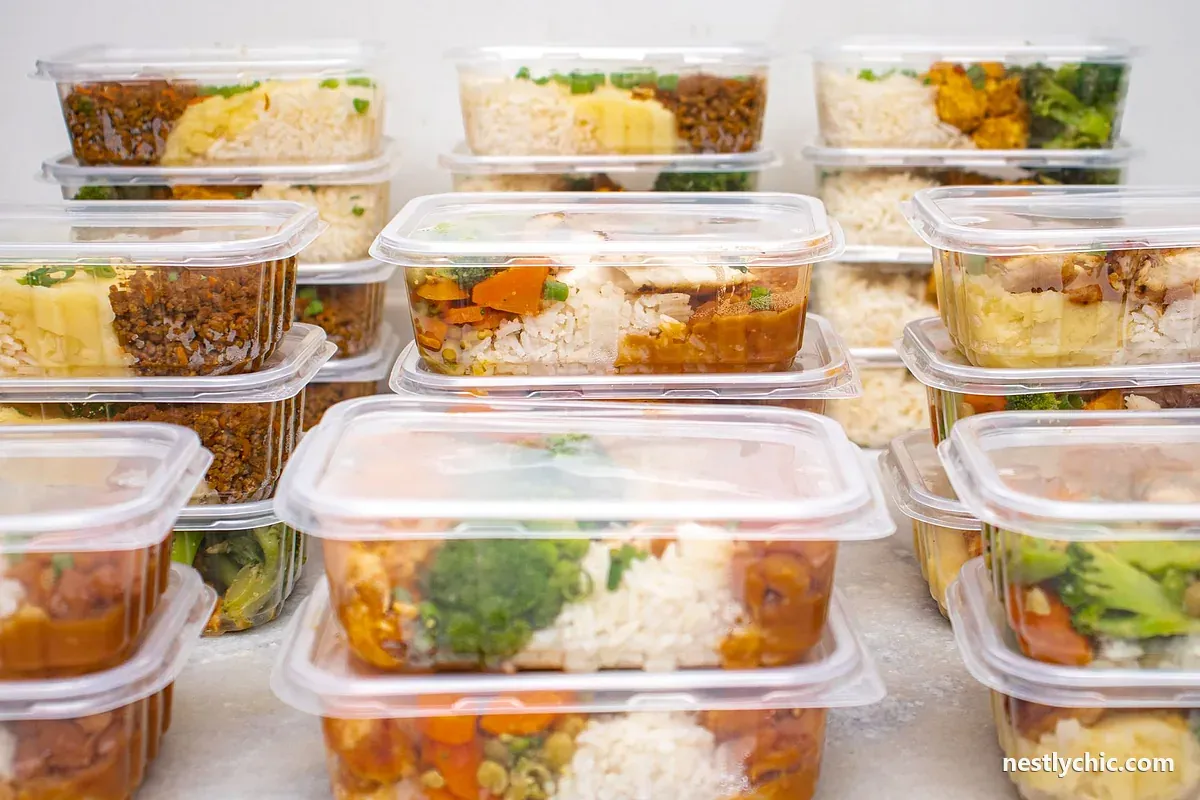
The short answer: most single people prepping lunches only need 7 to 10 containers, and prepping both lunch and dinner for a full week usually takes 12 to 16. A couple doing the same lands closer to 16 to 20, and a family of four is often better served by fewer, larger containers for shared sides plus a set of individual ones for lunches, rather than one container per person per meal. The right number depends less on a fixed rule and more on how many meal prep containers you actually store per week, in what size, and whether you portion into individual servings or keep bulk-cooked components separate.
The quick formula: meals per week, plus a buffer
Skip the "buy a 40 piece set" instinct until you know your own pattern. A simple way to size a first order is to count how many meals you plan to store this week, not how many you think you should prep, then add two or three containers for sauces, cut fruit or leftover vegetables that do not fit neatly into a meal-sized box. Someone prepping five weekday lunches needs roughly five main containers plus two or three small ones for sides. Add dinners and that number close to doubles, because dinner portions rarely fit in the same container as a lunch salad without crushing something.
This mirrors the same logic behind how many place settings a household actually needs: count the real weekly pattern first, buy for that, and treat anything beyond it as a second purchase once you know what you actually run out of.
How many meal prep containers you need, by household size
These are starting points, not fixed rules. Track what you actually use in the first two weeks and adjust before buying more.
| Who you're prepping for | What's typical | Starting container count |
|---|---|---|
| Single person, lunches only | 5 weekday lunches + 2 to 3 small side containers | 7 to 10 |
| Single person, lunches and dinners | 10 main meals + 2 to 4 small containers | 12 to 16 |
| Couple, lunches and dinners | Double the single-dinner count, some large enough to split | 16 to 20 |
| Family of four | Fewer large containers for shared sides, plus small ones for kids' portions | 10 to 14, weighted toward large and small over medium |
| Batch cooking (soups, stews, grains) | A handful of large containers for bulk storage, portioned out as needed | 6 to 10 large, separate from lunch containers |
Batch cooking fanatics and families feeding four or more tend to need proportionally fewer containers per person, because one large container of rice or roasted vegetables covers several servings, where a single person prepping individual lunches needs one container per meal.
Buying in a set versus building your own mix
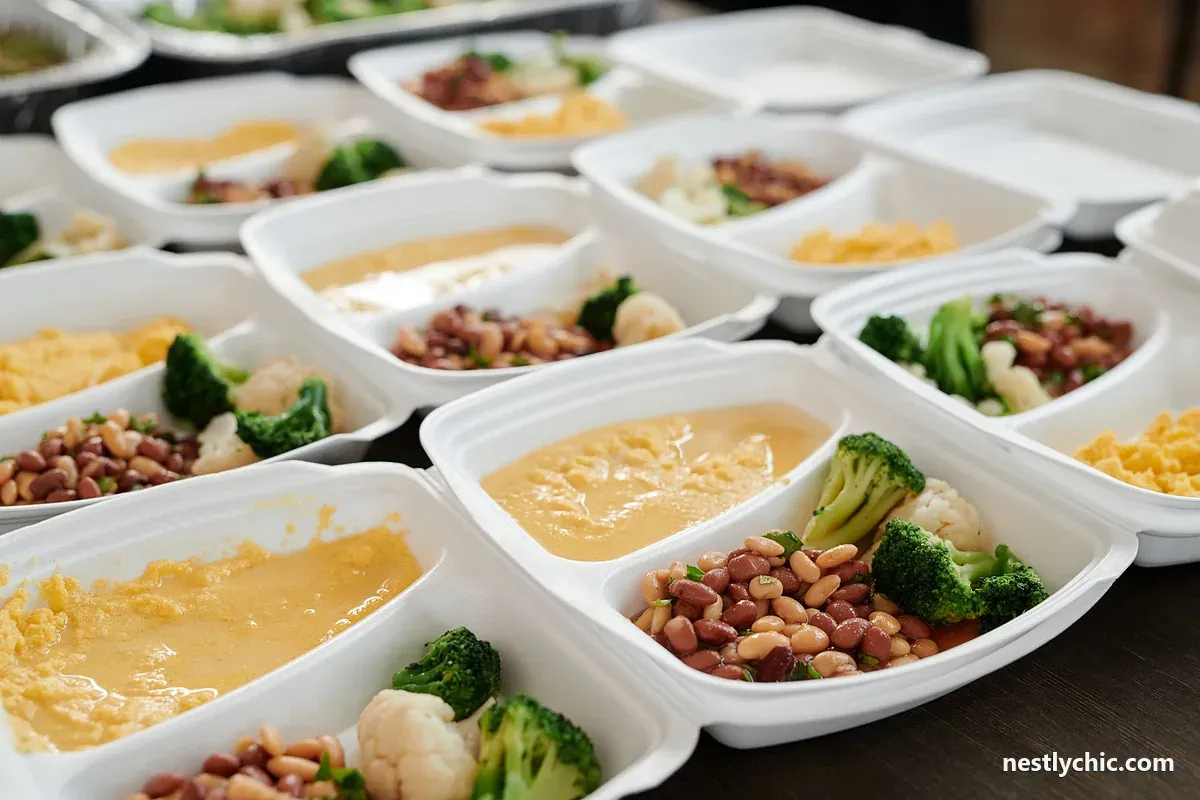
A budget-tier route is usually a large multi-piece plastic set in two or three sizes, which covers the basic weekly formula above cheaply but rarely includes a genuinely large size for batch cooking. A mid-range route mixes glass for the containers used daily with a few budget plastic ones kept as spares or for dishes more likely to stain, since replacing a stained plastic container costs less than replacing a stained glass one, in practice. A premium route is typically all-glass with locking, silicone-sealed lids throughout, which tends to resist staining and odor pickup better over years of use, but adds real weight and cost to a set that could number fifteen or twenty pieces by the time lunches and dinners are both covered. None of these tiers changes the household count from the table above, only what each container in that count is made of and costs.
What each size is actually for
Most container lines sort into three practical sizes rather than a specific number of ounces you need to memorize: a small size for sauces, dressing, cut fruit or a side; a medium size sized for one standard lunch portion, roughly the amount that would sit on a standard dinner plate without the plate's rim to hold it in; and a large size for a bulkier dinner, a double portion, or bulk-cooked grains and proteins meant to be portioned out later. Buying a spread across all three sizes gets more real use than buying twenty of one size, because a week of real meals is rarely uniform.
Shape and stacking: what actually saves fridge space
Round containers are easier to clean in the corners but waste real refrigerator and cabinet space between them; rectangular containers with straight sides stack edge to edge and nest inside each other when empty, which matters more once the collection reaches double digits. Look for a line where the same width comes in more than one height, so a stack of identical-footprint containers holding different volumes still lines up cleanly on a shelf. Snap-on lids seal tighter for liquids like soup or dressing but take two hands and a specific alignment to close, which slows down a rushed weekday morning; a simpler press-fit or screw-top lid trades some spill resistance for speed. Neither is objectively better, matching the lid style to what actually gets packed matters more than the brand.
Mismatched lids are a common reason a container set stops being usable within a few months, separate from breakage. Buying one brand's full line, rather than mixing sizes across brands, keeps every lid interchangeable with every base, which matters more than it sounds once a lid goes missing in the dishwasher rack.
Material matters: glass, plastic and what "BPA-free" actually means
The material decision comes before the size decision, because it changes what the container can safely do. Plastic containers are lighter, stack more densely, and are less likely to crack if dropped, which matters for a container that travels to work and back daily. Glass containers resist staining and odor absorption better and can typically go from fridge to microwave more confidently, but they are heavier and, as covered in why some drinking glasses shatter and others don't, glass fails by a different mechanism than plastic when temperature changes too fast.
On the BPA question specifically: the FDA's own position, reviewed on its food packaging information page, is that BPA is safe at the levels currently found in food contact materials, based on the agency's ongoing safety review of the scientific evidence (FDA, Bisphenol A (BPA): Use in Food Contact Application, read 2026-09-18). The FDA has taken more specific action for certain products, no longer permitting BPA-based materials in baby bottles, sippy cups and infant formula packaging. "BPA-free" on a container's packaging is a labeling claim about what the plastic does not contain, not a claim that the plastic it does contain has been independently tested for this use; check that the container is labeled for food contact and dishwasher or microwave use specifically, rather than relying on the BPA-free label alone to answer the safety question.
Freezer-to-oven and thermal shock: what glass containers can actually handle
This is the one place buying the wrong habit can genuinely break something, or worse, crack while hot. Glass, including the tempered and borosilicate glass used in most storage lines, resists everyday temperature swings but can fail under a fast, uneven one, the same thermal shock mechanism described for drinking glasses that shatter without being dropped. A container that has been in the freezer is at its coldest and most vulnerable point, and moving it straight into a hot oven or a preheated stovetop pan is exactly the fast, uneven change that causes cracking or shattering, sometimes with the food still inside.
Manufacturer guidance is specific to the product line rather than a single number for "all glass," so check the care instructions that came with your set. Pyrex's own care guidance, for instance, advises letting a dish reach room temperature before moving it from the refrigerator or freezer into a preheated oven or microwave, rather than transferring it directly between extremes (Pyrex frequently asked questions, read 2026-09-18). Treat that as the general pattern for any glass storage container: thaw or bring to room temperature first, preheat the oven before the dish goes in rather than heating the two together, and never move a container straight from freezer to stovetop or broiler. If a container's lid is plastic, remove it before the container goes in an oven, since plastic lids are typically not oven-safe even when the glass base is.
Signs you bought the wrong number
Running out of containers by Wednesday usually means you underestimated dinners, not lunches; add a size you don't currently own rather than more of the same one. A stack of clean, unused containers by the weekend usually means you bought for an ambition rather than a pattern, in which case the fix is fewer containers used more often, not more storage. Either way, the what the dishwasher, microwave and oven symbols on containers actually guarantee explainer is worth checking before assuming a container that survived one dishwasher cycle will survive all of them; the stamped symbol is the manufacturer's own claim, not a guess.
FAQ
How many meal prep containers do I need for one person? For lunches only, 7 to 10 containers is a workable starting point. Add dinners and that typically rises to 12 to 16, split across small, medium and large sizes rather than one uniform size.
What size meal prep containers should I buy first? A mixed set covering small (sides, sauces), medium (a standard lunch portion) and large (dinner portions or bulk-cooked grains and proteins) gets more real use than a single size bought in bulk.
Are plastic meal prep containers safe to reheat food in? Check the container for a microwave-safe symbol specifically; not all food-safe plastic is rated for reheating. The FDA's current position is that BPA is safe at the levels found in approved food contact materials, but the microwave-safe rating is a separate claim from the BPA question and should be checked on its own.
Can glass meal prep containers go straight from the freezer to the oven? Manufacturer guidance generally says no. Let the container reach room temperature first, then place it in a preheated oven, because the fast temperature change between frozen and hot oven is what causes thermal shock cracking.
How many containers does a family of four need for a week of meal prep? Often fewer than the "one per person per meal" math suggests, typically 10 to 14, because large containers for shared sides and bulk-cooked mains cover several servings at once, with a smaller set of individual containers for lunches or kids' portions.