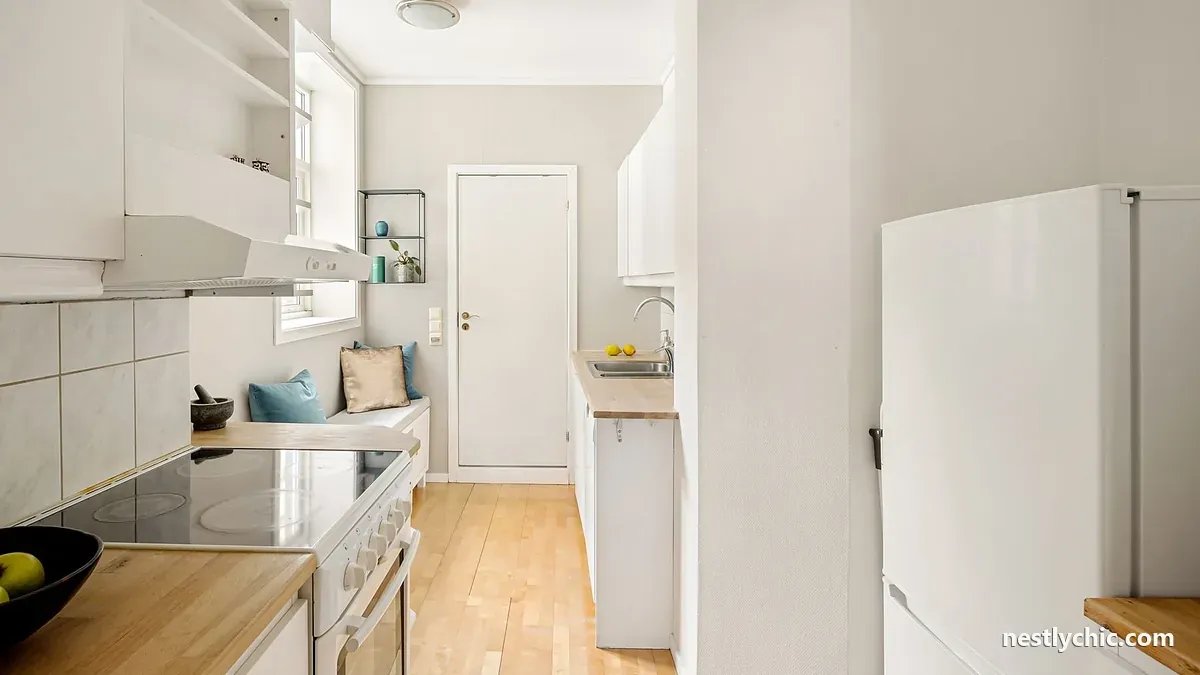
There is no standard dinner plate size. There is a convention, it varies by maker and by range, and it has drifted larger over decades. Which means the question "what is the standard size" does not have an answer, and the question that does have one is different.
The answerable question is: will these plates fit this cabinet, and how many will stack. That is arithmetic on three measurements, and none of the three is the number printed on the box.
The measurement the box gives you, and the two it does not
The box gives you diameter. Useful, and not sufficient.
The two it usually omits are the ones that decide whether a set works in your kitchen.
Rim profile. A plate with a wide flat rim and a shallow well occupies a different footprint from a coupe plate of the same diameter, and the two stack to different heights.
Stack height per plate. Two plates of identical diameter can stack at noticeably different heights depending on how the underside is formed. Over eight plates that difference decides whether the stack clears the shelf above.
So a diameter alone cannot tell you whether a set fits, and it is the only figure most listings publish.
The three measurements to take before buying
Ten minutes, once, and they answer this for every future purchase.
1. Shelf height. From the shelf surface to the underside of whatever is above it. This is the binding constraint in most kitchens and it is the one people never take.
2. Shelf depth. Front to back, and note whether the door closes flush or whether there is a lip.
3. Usable width per stack. How wide a run of shelf you can give to one stack, which decides whether you can split a large set into two shorter stacks rather than one tall one.
Write them down somewhere permanent. These are the household numbers that decide a dozen future purchases, not just this one, and the case for recording them once is made in the cabinet, drawer and counter dimensions that decide what fits.
Then do the arithmetic in the shop
Diameter against shelf depth, allowing for the door and for fingers to get behind the stack.
Stack height against shelf height, using the count you actually intend to store, not the count in the box. The number of plates you need is arithmetic in itself and it runs on household size and dishwasher frequency, which we set out in how many place settings a household actually needs.
And weigh a stack if you can. A full stack of stoneware at head height is a genuine handling consideration, and it is one of the practical differences between the material families rather than an abstract one. What the four material names actually change is in porcelain, stoneware, bone china and earthenware.
Why plates got bigger
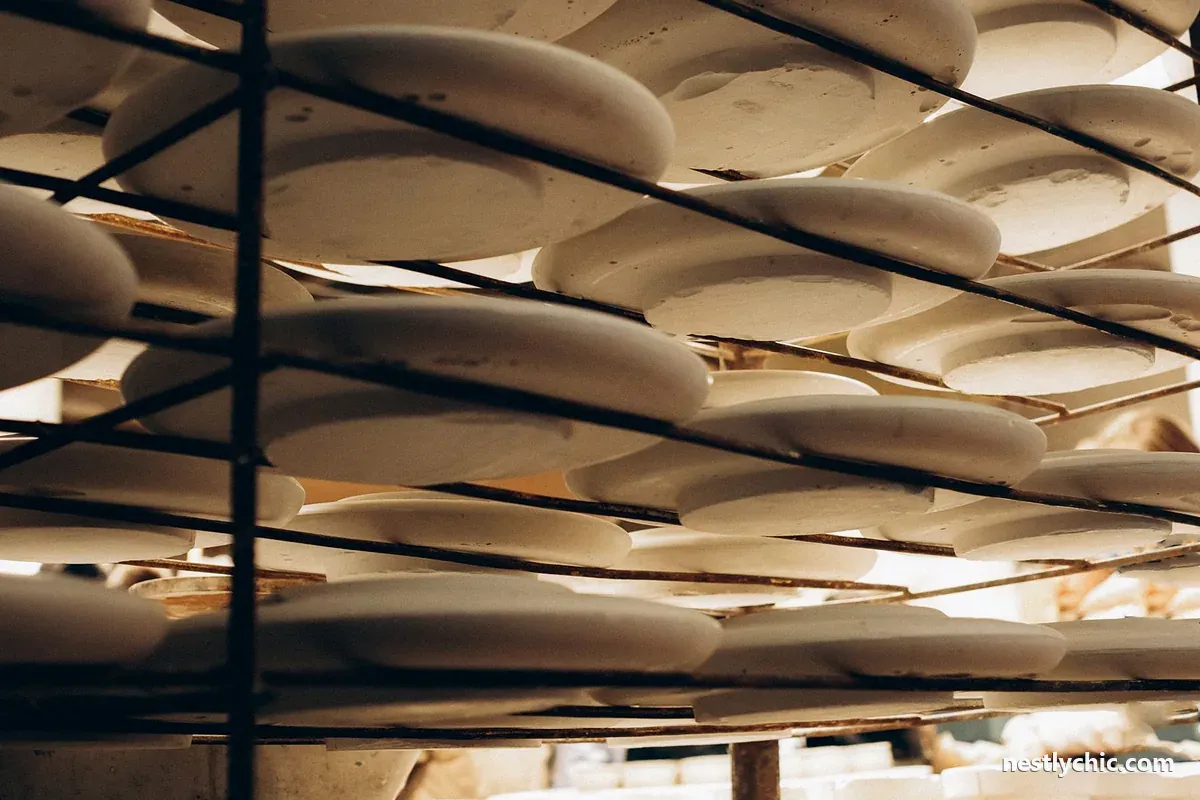
Not a conspiracy and not a fashion, exactly: presentation styles changed, restaurant conventions moved into domestic ranges, and larger plates read as more generous on a table.
The consequences are all practical.
Kitchens did not get bigger at the same rate, and cabinets built to older conventions do not accommodate current ranges comfortably.
Dishwasher racks are a second constraint. A plate that fits the cabinet and does not fit the rack is a plate that gets washed by hand forever.
And the same drift applies to bowls, which have grown wider as well as deeper, and which are the piece most likely to defeat a dishwasher rack.
Measure the dishwasher rack too, if you have one. It is the constraint that produces the most daily irritation and the one nobody checks.
The pieces that cause the trouble
Dinner plates, obviously, on both diameter and stack height.
Serving platters, which are frequently longer than any shelf is deep and end up stored somewhere else entirely.
Wide or pasta bowls, which defeat racks and stack poorly.
Mugs, which are a height problem rather than a diameter one, and which are the piece most often solved by hanging or by a second shelf.

What to do if the plates already do not fit
Three options, and none of them is organization advice, which is not this site's ground.
Split the stack. Two shorter stacks side by side use shelf height that a single tall stack cannot.
Move the shelf, if it is adjustable. Many are, and many people never move one.
Store the pieces you use rarely somewhere else. A set that includes saucers you never use does not need those saucers occupying prime shelf height, and the question of which pieces you actually use is in what is actually in a place setting.
What this page will not do is tell you how to organize a cupboard, which is a different site's subject entirely.
The measurement checklist
| Measure | Where | Why |
|---|---|---|
| Shelf height | Shelf surface to underside above | The binding constraint in most kitchens |
| Shelf depth | Front to back, allowing for the door | Decides maximum diameter |
| Usable width per stack | Along the shelf | Decides whether you can split the stack |
| Plate diameter | The candidate set | The only figure the box usually gives |
| Stack height for your intended count | The candidate set, in the shop | Two plates of equal diameter can stack differently |
| Dishwasher rack spacing | Your machine | The constraint nobody checks |
FAQ
What is the standard dinner plate size? There is no standard. There is a convention that varies by maker and by range and has drifted larger over decades, which is why a diameter from one guide does not describe the set in front of you.
Why do my new plates not fit the cabinet? Usually shelf height rather than diameter, because stack height is the measurement neither the box nor most listings publish. Two plates of the same diameter can stack to different heights.
What should I measure before buying dinnerware? Shelf height, shelf depth allowing for the door, and the usable width you can give a stack. Then check the candidate set's diameter and, in the shop, its stack height for the number you intend to store.
Why did plates get bigger? Presentation conventions changed and restaurant styles moved into domestic ranges. Kitchens and cabinets did not change at the same rate, which is where the mismatch comes from.
What about the dishwasher? Rack spacing is a separate constraint from the cupboard and it is the one that causes the most daily irritation. A plate that fits the shelf and not the rack gets hand-washed forever.
My plates already do not fit. What now? Split one tall stack into two shorter ones, move an adjustable shelf, or move rarely-used pieces out of prime shelf height. How to organize a cupboard beyond that is a different subject.
Sources: this page quotes no plate diameter, shelf dimension, stack height, price or lifespan figure, and cites none, because no standard exists to cite and every relevant number belongs to the reader's own kitchen and the specific set in front of them. That is the point of the page. Storage organization is outside this site's scope. No brand or pattern is named or recommended.