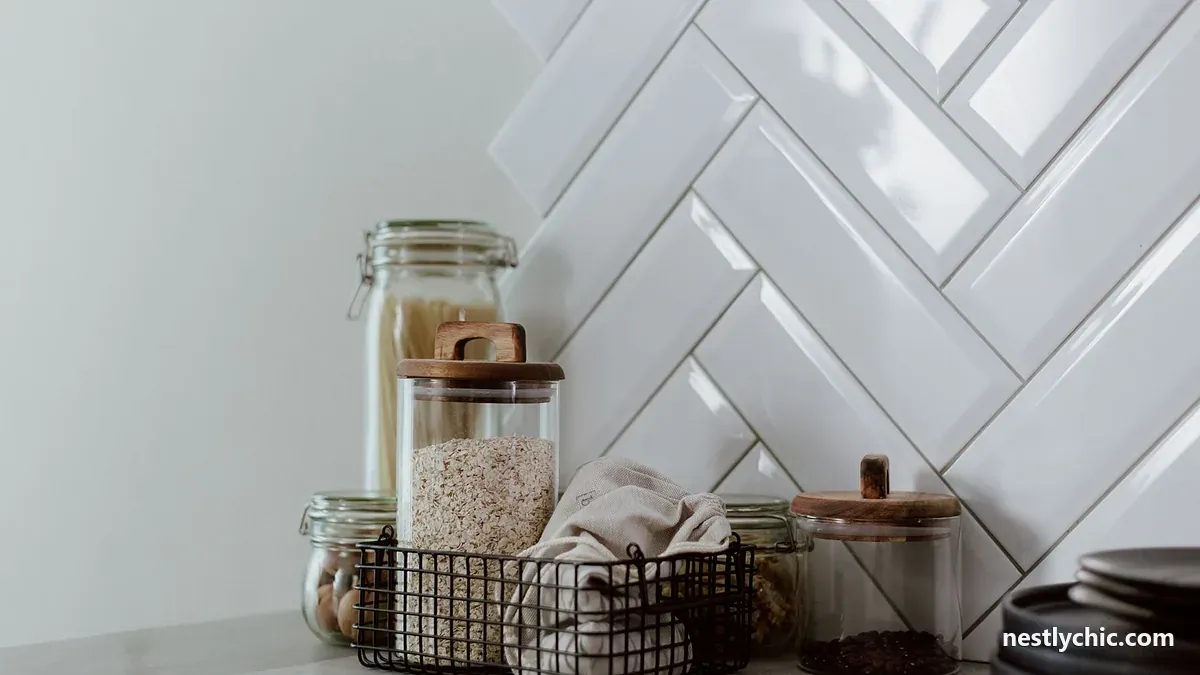
Glass food storage containers suit the fridge, the microwave and, within the maker's limits, the oven. They don't stain or hold smells, but they're heavy and can break. Plastic containers are light, portable and hard to break, but they warp, stain and scratch over time. Most households end up with both: glass for jobs at home, plastic for jobs that travel.
On safety, the U.S. Food and Drug Administration regulates plastics that touch food and authorizes them before they're sold. That doesn't make every use appropriate, which is why the maker's label for each container matters more than the material alone.
Glass vs plastic food storage containers at a glance
| Glass | Plastic | |
|---|---|---|
| Weight | Heavy; a burden in a lunch bag | Light; easy to carry |
| Breakage | Can chip, crack or shatter | Hard to break; dents, cracks or splits with abuse |
| Heat | Tolerates oven heat within the maker's limits; sensitive to sudden temperature change | Varies by product; use only as the label allows, and never in the oven unless labeled for it |
| Staining and smells | Resists both | Can stain (tomato, curry) and hold smells |
| Wear over time | Stays clear; fails suddenly if damaged | Scratches, clouds and warps gradually |
| Lid | Often plastic, with its own limits | Plastic |
| Best for | Leftovers, reheating, fridge storage, staining foods | Lunches, travel, children, freezer bulk, dry snacks |
The table says why most households run both. Each material wins at different jobs, and the choice is really about which job comes up most in your week.
What FDA says about plastics that touch food
This is the part where the page-one answers diverge most, and where the sourcing matters most.
The FDA's information page for consumers on food packaging and other substances that come in contact with food (content current as of 07/24/2024, read 2026-09-11) states that "a food contact substance that is a food additive must be authorized for that use before it is marketed in the U.S." It describes the agency's review as "a rigorous scientific safety assessment," including data on how much of a substance migrates into food and toxicological safety data. The page is the FDA's Food Packaging & Other Substances that Come in Contact with Food: Information for Consumers.
On BPA specifically, the FDA's Bisphenol A page (content current as of 04/25/2023, read 2026-09-11) says the agency's review "has not found any information in the evaluated studies to prompt a revision of FDA's safety assessment of BPA in food packaging at this time." The same page makes clear that the FDA continues to monitor new data. See the FDA's Bisphenol A (BPA) page.
What that means, stated with its limits: the plastics sold for food contact in the U.S. have been through a regulatory process, and the FDA's position on BPA, as of its latest page, hasn't changed. It doesn't mean every use of every container is appropriate. Authorization covers the uses a substance was approved for, and a container's label tells you which uses its maker intends, such as microwave, dishwasher or freezer.
What we don't do here: make exposure estimates, call any plastic "toxic," or tell you a particular container is safe or unsafe. "BPA-free," recycling numbers and what they legally mean are a separate question, and the FDA's pages above are the place to start on it.
Heat: where glass wins, with limits
Glass tolerates heat that most plastics don't, which is why glass is the usual choice for reheating and for going from fridge to oven. But glass has its own failure mode: sudden temperature change.
Pyrex's published safety and usage guidance (read 2026-09-11) tells users to "AVOID sudden temperature changes, to avoid the risk of breakage." It says not to add liquid to hot glassware or place hot glass on a wet or cool surface, not to transfer directly from the freezer to a hot oven, and to preheat the oven before putting glassware in. See Pyrex's product warranties, safety and usage page. The physics behind this, and why some glass handles it better than others, is covered in what actually cracks in glass, ceramic and stoneware bakeware.
The lid is the catch. Many "glass" containers have plastic lids, and the lid doesn't share the base's heat limits. The same Pyrex guidance says its plastic lids can go in the microwave but should be removed or vented at least a quarter inch to avoid warping, and must not go in a conventional or convection oven or on direct heat. So a glass container with a plastic lid is a glass container in the oven and a plastic container in the microwave. The same principle, that the weakest part sets the limit, applies to cookware lids and handles in whether your pan is oven safe.
For plastic containers, the label is the limit. If a container isn't labeled for the microwave, don't use it there. If it is, follow the maker's instructions, including any advice to vent the lid.
Weight: where plastic wins
This is the reason glass containers get left at home. A glass container full of lunch is noticeably heavier than a plastic one, and several of them in a bag add up. Glass also isn't the best choice for children, outdoor meals or anywhere a drop is likely.
Plastic suits jobs that travel. Lunches, picnics, school bags and anything that might be dropped. It's also practical for bulk freezer storage, where the container sits for a long time and weight doesn't matter.
Lifespan: two different ways to fail
The claim that one material simply lasts longer misses something. Glass and plastic wear out in different ways, and knowing how each fails is more useful than an average lifespan.
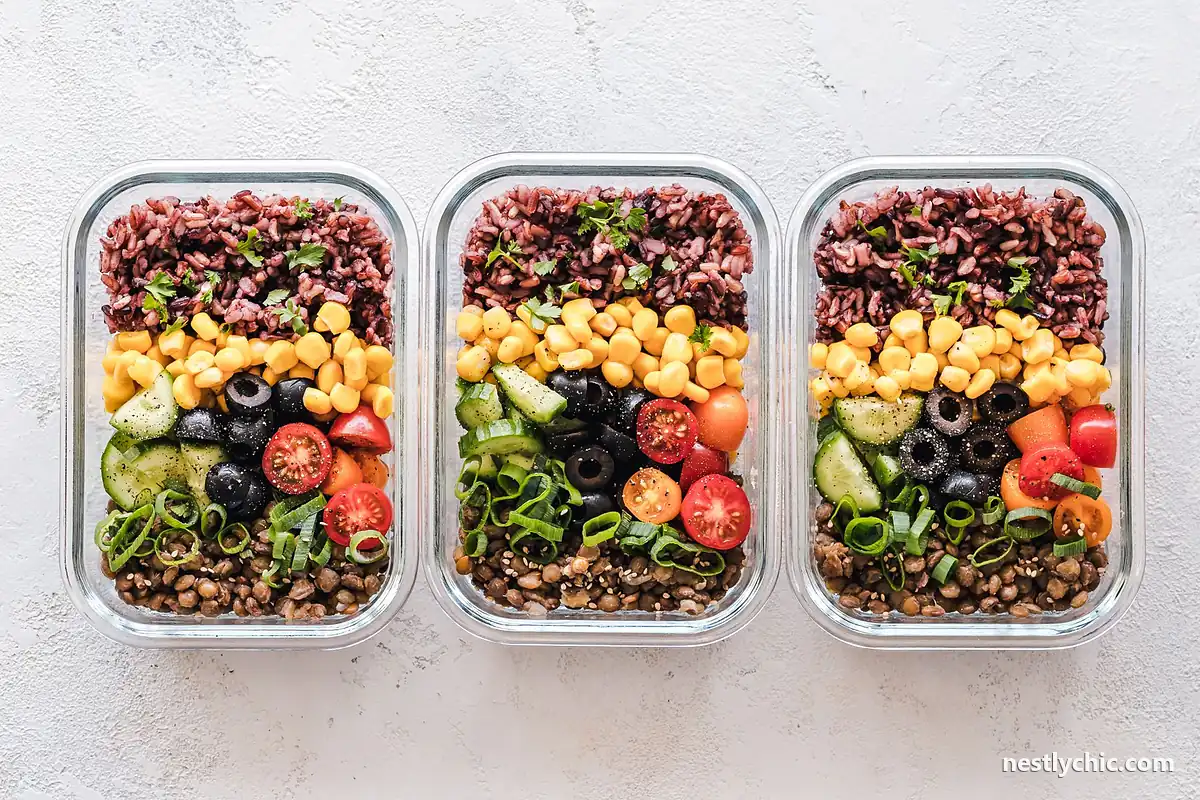
Glass fails suddenly. It stays clear, doesn't stain and doesn't hold smells for years, until it chips or cracks. Corelle's safety and usage guidance (read 2026-09-11) warns users not to use or repair any item that is chipped, cracked or severely scratched, because "damaged items may break or shatter without warning." See Corelle's product warranties, safety and usage page. A chipped glass container should be retired, not nursed along.
Plastic fails gradually. It scratches, clouds, stains and warps, and lids stop sealing. There's rarely one moment when it's obviously done, which is why people keep plastic containers longer than they keep glass.
For the budget, glass usually costs more up front and lasts longer if it isn't dropped. Plastic costs less and is replaced more often. Neither is automatically cheaper over time; it depends on how your household treats them.
What each one is for
Choose glass for:
- Leftovers you'll reheat at home.
- Foods that stain or hold smells, such as tomato sauces and curries.
- Anything that might go from fridge to oven, within the maker's limits.
- Long-term use in a household where drops are rare.
Choose plastic for:
- Packed lunches and anything that travels.
- Children's food and outdoor meals.
- Bulk freezer storage.
- Dry snacks and ingredients.
Many households split by job, which is also how the number of containers gets decided. How many of each a household needs is a separate question, answered by counting the peak day and the containers in transit.
Before you buy either
Read the label for every use you intend: microwave, dishwasher, freezer, oven. Check the base and the lid separately.
Check the lid. For glass containers, the lid is usually plastic and sets the heat limit. For both materials, lids are what fail and get lost first.
Look for a range where sizes share lids, so a lost lid doesn't retire a container.
Decide which jobs matter most. A household that packs daily lunches needs more plastic; one that cooks and reheats at home needs more glass. This is the same spend-and-save logic as the rest of the kitchen in where to spend and where to save in a first kitchen.
FAQ
Is glass better than plastic for food storage? Glass is better for reheating, resists stains and smells, and tolerates oven heat within the maker's limits, but it's heavy and can break. Plastic is better for travel and children. Most households use both, split by job.
Is plastic food storage safe? The FDA requires food-contact substances that are food additives to be authorized before they're sold in the U.S., after reviewing migration and toxicology data. As of its latest BPA page, the FDA hasn't revised its safety assessment of BPA in food packaging. Use each container only as its label directs, especially for heating.
Can I put a glass container with a plastic lid in the oven? Usually not with the lid. Pyrex's guidance, for example, says its plastic lids must not go in a conventional or convection oven. The glass base may be oven-safe within the maker's limits, but the lid sets its own.
Can glass containers go from the freezer to the oven? Not directly, according to Pyrex's published guidance, which warns against transferring glass from the freezer to a hot oven and against sudden temperature changes generally. Follow the maker's instructions for the specific container.
The short version
Glass for home, reheating and staining foods; plastic for travel, children and freezer bulk. For plastic, follow the label and rely on the FDA's authorization process rather than blanket claims. For glass, avoid sudden temperature changes and retire chipped pieces. On a glass container, the plastic lid sets the limit.
Sources, read 2026-09-11: U.S. Food and Drug Administration, Food Packaging and Other Substances that Come in Contact with Food: Information for Consumers, and Bisphenol A (BPA); Pyrex, product warranties, safety and usage (pyrexhome.com); Corelle, product warranties, safety and usage (corelle.com). This page ranks and recommends no product, quotes no price and carries no affiliate link. Nothing here was tested or owned by this site.