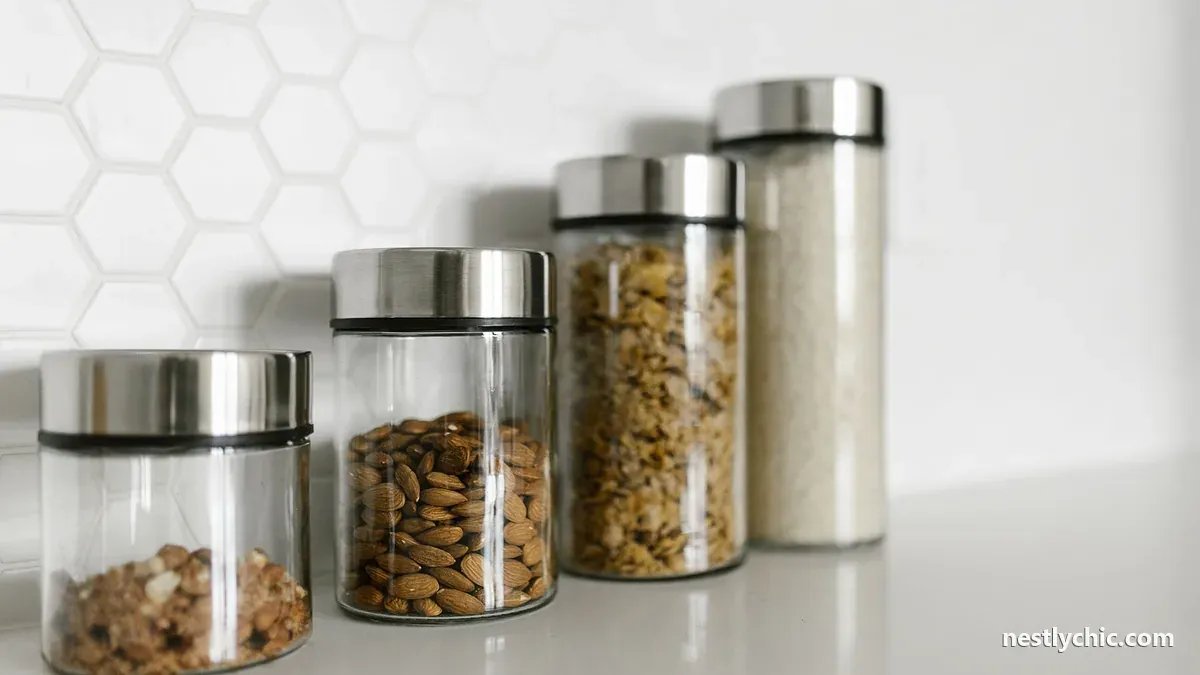
Food storage containers that nest are built so a smaller piece tucks inside a larger one, collapsing a dozen containers into the cabinet space of two or three. That's the promise on the box, and it's usually true the day the set arrives. It stops being true when a lid warps just enough to lose its fit, when a broken piece gets replaced with a size from a different generation of the same line, or when a cabinet ends up holding pieces from two different sets that were never designed to stack together. Buy by lid mechanism and material line, not by piece count, and the set keeps its shape a lot longer than the box photo suggests it will on its own.
Why a Nesting Set Stops Nesting After a Few Months
The failure almost never starts with the whole set at once. It starts with one piece.
Most nesting plastic containers are molded from polypropylene, chosen because it handles repeated dishwasher heat and microwave reheating better than cheaper plastics without cracking outright. Polypropylene still softens slightly at sustained heat, and a base or lid that goes through a hot dishwasher cycle hundreds of times over a couple of years can bow by a fraction of a millimeter. A nesting system depends on tight, consistent tolerances between every size in the line, so that fraction is often the difference between a lid clicking flush and one that rocks or won't seat at all.
Glass bases don't warp the same way, but a "nesting" glass set is a different design problem from the start. Glass walls have to be thicker than plastic to survive an oven trip or a drop onto tile, so most glass sets stack loosely inside each other rather than nesting to the same tight footprint plastic can. If a listing shows a glass set collapsing to almost nothing, look closely at whether that's true nesting or just stacking with a gap.
The other common cause is simpler: mismatched replacement pieces. When one lid cracks or a base gets tossed, buying a single replacement from open stock, or from a newer run of the same product line, can be off by a millimeter or two from the original molds. That's enough to break the nest for the whole set, even though every individual piece still works fine on its own.
How to Buy Food Storage Containers That Nest Without Losing the Fit
Stay inside one product line rather than mixing brands or generations. Manufacturers hold their tolerances within a line, not across their whole catalog, so a full set bought at once nests more reliably than one assembled piece by piece over a few years.
Material choice matters more than the nesting claim on the label. High-density polypropylene and Tritan-style copolyester resist staining and cracking better than the thinner, cheaper plastics used in some budget sets, and both nest more tightly than glass because their walls can be thinner. Stainless steel is worth considering too: it doesn't warp under dishwasher heat and nests compactly, though it can't go in the microwave and costs more per piece. The same wear questions that decide whether a plate or bowl holds up to daily use, covered in the real test for durable everyday dinnerware, apply just as directly to a container set that gets stacked, unstacked and washed every day.
The Lid Mechanism Is What Actually Fails First
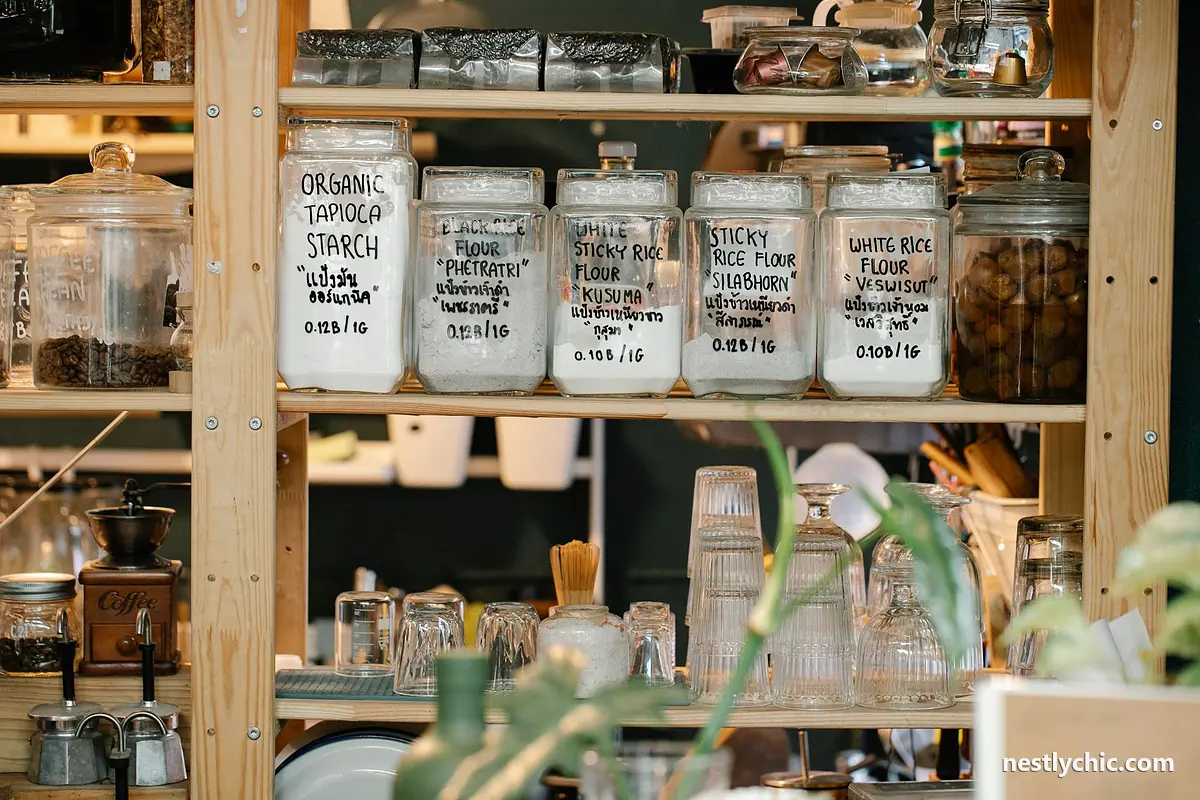
The base of a container rarely breaks on its own. The lid does, and it's usually the seal mechanism, not the plastic itself, that goes first.
Lids built with a hinged, multi-point clip design tend to hold a seal longer than a simple snap-on rim, because the pressure holding the lid closed is spread across several points instead of resting on one continuous edge that can loosen with wear. The tradeoff is that the hinges themselves are small moving plastic parts, and they're often the first thing to crack on a container that otherwise looks fine.
Check the icons molded into the lid before you buy, not just the box copy. The dishwasher, microwave, freezer and oven symbols on a nesting set's lid are the same standardized icons you'd check on a dinner plate, explained in what those dishwasher, microwave and oven symbols actually guarantee, and they matter more here because a container lid is thinner than dinnerware and shows heat damage first.
Sizing the Set Before You Buy, Not After
A boxed set almost always gives you too many of one size and too few of another, because it's built around an average household rather than yours. The same household-size math used to figure out how many place settings a family actually needs, covered in how many place settings a household actually needs, works here too: count your busiest cooking day, not a typical one, and size the set around the containers you'd need in use at that peak, not the total piece count on the label.
The BPA Question: What FDA Actually Says
This is the part of the buying decision where it's easiest to overstate the case in either direction, so it's worth sticking to what the regulator has actually published.
The U.S. Food and Drug Administration requires that any substance intended to come into contact with food, including the plastics used in food storage containers, go through a premarket review before it can be sold in the U.S. On bisphenol A specifically, the FDA's own consumer information page (read 2026-09-18) states that its current safety assessment holds BPA to be safe at the levels currently found in foods, based on the agency's review of the available research. The FDA has also acted more narrowly: BPA-based epoxy resins are banned from packaging for infant formula, and polycarbonate containing BPA is banned from baby bottles and spill-proof training cups. See the FDA's Bisphenol A (BPA): Use in Food Contact Application page for the full statement.
What that means for a nesting set: a plastic container sold in the U.S. has been through that review process, and a "BPA-free" label is a marketing choice about which resin was used, not a claim that other food-contact plastics are unapproved. Neither point supports calling a plastic container toxic, and neither is a basis for estimating anyone's actual exposure; that's a question for a toxicologist with the specific product's data, not a buying guide.
Glass Sets and Thermal Shock: What the Manufacturer's Own Limits Say
If part of your nesting set is glass, the real risk isn't the material touching food, it's a sudden temperature change. Corelle Brands, which manufactures Pyrex-branded glass storage, publishes a product warranties, safety and usage page (read 2026-09-18) that covers breakage caused by hot or cold temperatures and directs owners to follow the safety and usage instructions packaged with the product rather than a generic "glass is oven-safe" assumption. That instruction exists because glass bakeware and glass storage containers aren't held to the same heat spec, and even within one brand's glass line, the oven, freezer and microwave limits are set per product, not per material.
The underlying physics, thermal shock, is the same phenomenon that makes some drinking glasses shatter and others survive a dishwasher cycle for years, covered in more detail in why some drinking glasses break and others don't. The practical version for a nesting set: let a glass container come to room temperature before it goes from the freezer into a hot oven or a bowl of hot water, and check the specific product line's stated limits before assuming any glass container in the set is oven-safe.
A Buying Checklist for a Set That Still Nests Next Year
- Buy a full set within one product line rather than assembling one from open stock or mixed brands over time.
- Check the lid mechanism, not just the material, and expect the hinge or clip to be the first part that wears out.
- Confirm the dishwasher, microwave, freezer and oven symbols on the lid, separately from the base, before assuming both share the same limits.
- Size the set around your busiest cooking day rather than the piece count printed on the box.
- For any glass piece, check that specific line's stated oven and freezer limits rather than assuming all glass in the set behaves the same way.
FAQ
Why did my nesting container set stop fitting together? The most common cause is a lid or base that's warped slightly from repeated dishwasher heat, or a replacement piece from a different generation of the same product line that's off by a millimeter from the original molds. Both are enough to break a tight nesting fit even when every piece still works on its own.
Do glass containers nest as well as plastic? Usually not as tightly. Glass walls have to be thicker than plastic to survive an oven trip or a drop, so most "nesting" glass sets stack with more of a gap between sizes than an equivalent plastic set does.
Is it safe to microwave plastic containers that nest? Only the ones labeled for it, and only following the maker's instructions, which sometimes include venting the lid. The FDA's review process covers which food-contact plastics can be sold in the U.S.; it doesn't override a specific product's own microwave guidance.
Can I mix container sets from different brands and still have them nest? Not reliably. Manufacturers hold consistent tolerances within their own product line, not across brands or even across different production runs of the same line, so mixed sets are the most common reason a "nesting" set stops nesting.
What should I check before buying a glass container set that claims to be oven-safe? Check that specific product line's own stated oven and freezer temperature limits rather than assuming all glass, or even all glass from the same brand, shares one heat spec. Manufacturers set these limits per line.
Sources, read 2026-09-18: U.S. Food and Drug Administration, Bisphenol A (BPA): Use in Food Contact Application; Corelle Brands, product warranties, safety and usage page (corelle.com). This page ranks and recommends no specific product, quotes no price, and carries no affiliate link. Nothing here reflects first-party testing of any container by this site.