Are glass containers freezer safe? Yes, but only the ones actually made and labeled for it, and "made for it" is not the same claim across every brand or even across every product line from the same brand. Ordinary soda-lime glass, the kind in a jam jar or a drugstore tumbler, can crack from thermal shock, a temperature change that hits the glass faster than it can absorb evenly. Tempered soda-lime glass and borosilicate glass are built to handle that swing better, but exactly how much better is a number the manufacturer publishes for that specific product line, not a property of the word "glass" on its own. Check the container in front of you, not the material category.
What Makes Glass Containers Freezer Safe (and What Doesn't)
The failure mode is almost never "cold." It is a fast, uneven temperature change across the glass, called thermal shock. One side of a dish cools or heats faster than the other, or the surface changes temperature faster than the core, and the stress from that mismatch is what starts a crack, usually at a thin point, a rim, or an existing chip.
That is why the riskiest move with any glass container is going straight from one temperature extreme to another: hot soup poured into a container and shut in the freezer while still steaming, or a frozen dish dropped straight into a hot oven. The freezer itself is not the hazard. The jump is.
Not all "glass" is the same glass
Three different materials get sold as kitchen glass, and they do not behave the same way:
- Ordinary soda-lime glass (most drinking glasses, jars, cheap glassware) has no special heat treatment and the lowest tolerance for rapid temperature change.
- Tempered soda-lime glass has been heat-treated so the surface holds a compressive layer, which raises its strength and changes how it fails when it finally does. The mechanics of that process, and why a tempered glass fails so differently from an untempered one, are covered in why some drinking glasses shatter and others don't, which is the same tempering chemistry at work in bakeware and storage dishes.
- Borosilicate glass is a different formula (it includes boron oxide), which gives it a lower rate of thermal expansion than soda-lime glass, so it handles a bigger temperature swing before stress builds up.
None of that tells you what a specific container is rated for. That comes from the maker.
Check the manufacturer's limit, not the brand name
This is the part that trips people up: the same brand name does not always mean the same glass. Pyrex sold in the United States today (made by Instant Brands) is tempered soda-lime glass. Pyrex sold in Europe (made by International Cookware, produced in France) is borosilicate glass. They carry different published limits because they are, chemically, different materials.
International Cookware's own European product-care page states that its borosilicate Pyrex products can go into the freezer down to -40°C and carries a thermal shock resistance of 220°C, meaning a dish frozen to -20°C can go directly into a 200°C oven, according to Pyrex's European help center, read 2026-09-18. The same page adds an important stop condition: products with notches or chips from use are weakened and are no longer guaranteed to hold that thermal shock rating.
Pyrex's U.S. FAQ page, by contrast, does not publish a matching numeric thermal-shock figure for its glass bakeware and storage line. It states the glass is safe in a "completely preheated" oven at whatever temperature a recipe calls for, that products are freezer safe if you leave headspace for the food's expansion, and that you should never introduce a sudden temperature change, such as adding liquid to hot glass or setting a hot dish on a cold or wet surface, according to Pyrex's U.S. frequently asked questions page, read 2026-09-18.
Neither company's guidance supports a blanket statement that "glass is oven-safe" or "glass is freezer-safe." Both are specific to that product line, and that is the level you need to check before you buy or before you move a full container between temperature extremes.
How to freeze food in glass without cracking it
- Cool hot food before it goes into the container. Room temperature first, then the freezer.
- Leave headspace. Liquids and many foods expand as they freeze; a container filled to the rim has nowhere for that expansion to go.
- Thaw gradually, in the refrigerator or at room temperature, rather than under hot water or in a hot oven straight from frozen.
- Retire anything with a chip or crack at the rim or base. Per the manufacturer guidance above, damage weakens the glass's ability to handle the next temperature change, and that is the stop condition: a chipped container is not a freezer-to-oven container anymore, whatever it was rated for new.
Freezer to oven, direct: what the label actually promises
Some glass storage lines are explicitly rated to go from freezer to a preheated oven without a stop in between; others are not, or only up to a stated temperature and only if the oven is fully preheated first. This is exactly the kind of claim that lives on the product's own packaging or spec sheet, not on the general reputation of "glass bakeware." If the container does not state a freezer-to-oven rating, treat that as a "no" and let it come to room temperature before it goes anywhere near heat.
Lids, seals, and the BPA question
Most glass food-storage sets ship with a plastic lid, not a glass one, and that lid is a separate safety question from the glass body. Plastic lids are also not oven safe; they are rated for refrigerator and freezer storage and, on some lines, the microwave with the lid vented or removed, never for baking.
On the plastic itself, the FDA's current position is that bisphenol A (BPA) is safe at the levels currently found in food contact materials, based on its ongoing safety review, according to the U.S. Food and Drug Administration, read 2026-09-18. If you would rather avoid BPA specifically, most current glass storage lids are sold as BPA-free, which is a separate claim from "freezer-safe" or "oven-safe" and should be checked on its own.
Read the symbols before you buy, not after it cracks
Storage sets and bakeware usually carry a small cluster of icons on the box or the base: a snowflake for freezer, a set of wavy lines for microwave, an oven icon, and a dishwasher icon, each one a manufacturer claim about that specific piece, not the whole product line. What the dishwasher, microwave and oven symbols actually guarantee covers how to read those marks correctly, because a symbol on the lid does not automatically apply to the glass base, and a symbol on one size in a set does not always apply to every size.
If glass storage isn't the right fit
Glass is not the only food-safe option, and it is not always the right one for every household. If you are weighing ceramic alternatives for baking or serving frozen-then-reheated dishes, the practical differences between the common materials are laid out in porcelain, stoneware, bone china and earthenware compared. And because food-contact safety questions do not stop at plastic, anyone buying ceramic storage or serving pieces should also know what to check on the glaze; that is covered in lead and cadmium in glazes: what to check before you buy.
Buying checklist
| Check before you buy or reuse | Why it matters |
|---|---|
| Does the box or base state "freezer safe" | A generic glass claim is not a freezer claim |
| Is a freezer-to-oven rating stated, with a number | No stated number means treat it as unrated for that jump |
| Is the lid rated separately from the glass | Most lids are plastic and are never oven safe |
| Any chips, cracks, or rim damage | Damage voids the manufacturer's thermal shock rating |
| Headspace left for expansion | Full-to-the-rim liquids can crack a container as they freeze |
FAQ
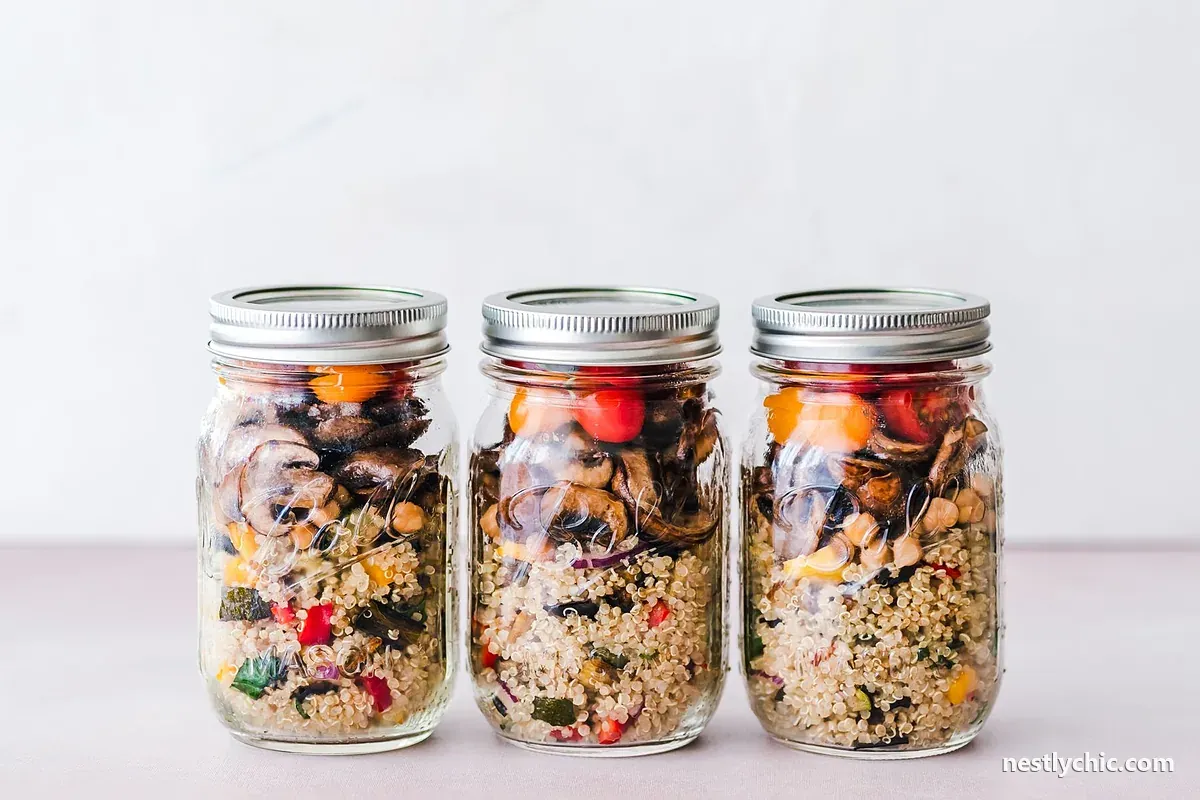
Are glass containers freezer safe? Containers made from tempered glass or borosilicate glass, and explicitly marked freezer-safe, can go in the freezer. Ordinary untempered soda-lime glass, like a repurposed jar, is more likely to crack from the temperature change and should not be assumed freezer-safe just because it is glass.
Can I go straight from the freezer into a hot oven? Only if the specific product's own packaging or spec sheet states a freezer-to-oven rating. Manufacturers publish different limits for different product lines, even under the same brand name, so check the container in hand rather than assuming.
Why did my glass container crack even though it says freezer-safe? The most common causes are an existing chip or crack (which manufacturers state voids the rating), filling it too full for the food to expand as it freezes, or moving it too fast between temperature extremes, such as straight from the freezer into hot water or a hot oven without preheating.
Are the plastic lids on glass storage containers freezer safe? Usually, yes, for freezer and refrigerator storage, but the lid is rated separately from the glass and is not oven safe. Check the lid's own markings; melting a lid in the oven is a different failure than cracking the glass.
Is BPA in food storage lids something to worry about? The FDA's current position is that BPA is safe at the levels found in approved food-contact materials. If you would rather avoid it regardless, look for lids labeled BPA-free, which most current glass storage sets are.
No first-party testing claims appear on this page. Manufacturer limits and the FDA position cited above were read on 2026-09-18; check current packaging before you buy, since specifications can change between product runs.