There is no single right answer, but there is a right way to work it out: size to the job, not to a set. A household of one or two does most of its work in small (about 16 ounces or less) and medium (roughly 24 to 32 ounces) containers for leftovers and lunches, adds a couple of large containers for soups or bulk cooking, and sizes pantry containers to how the dry goods actually get bought, not to a matching set. Get the job right first and the count of containers you need follows on its own.
What Size Food Storage Containers Do I Need for Each Job in the Kitchen?
The mistake most new kitchens make is buying a matched set of a dozen containers in three sizes and hoping it covers everything. It usually covers about half of it. A set is built to look good stacked in a cabinet, not to match what actually comes out of your oven, your cutting board, or your grocery bag. Before buying anything, separate the jobs: single-serving leftovers, meal-prep lunches, family-sized leftovers, and dry pantry storage are four different sizing problems, and they call for different containers.
This also matters for the material question, which comes second, not first. Decide the volume you need for each job, then pick the material that job calls for; picking a pretty glass set first and forcing your cooking around it is how half the containers in a new kitchen end up unused.
Sizing by What You're Storing
Leftovers from a single meal are usually the smallest containers you own. A single portion of last night's dinner, a half sandwich, or a small amount of sauce fits comfortably in a small container, and buying several of these in the same size means lids are interchangeable, which matters more day to day than it sounds like it should.
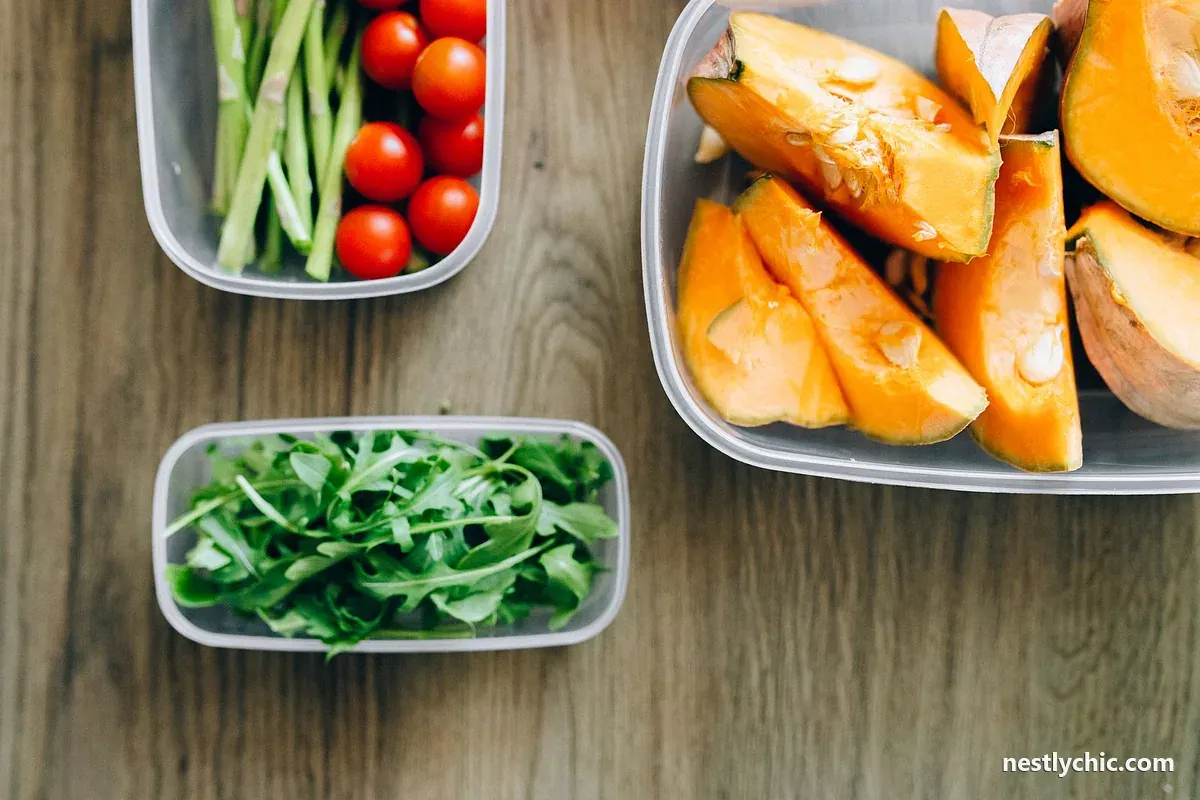
Meal-prep lunches run larger, because they usually hold a full meal rather than a single ingredient: a grain, a protein, and a vegetable, or a packed salad. Containers built for this job tend to be wider and shallower than a leftovers container of the same volume, so the food doesn't compress into a soggy layer.
Family-sized leftovers, a pot of soup, a casserole, or a full recipe of pasta, need your largest containers. Buying only one or two of these is common and reasonable; most households don't generate family-sized leftovers every day, so a large container earns its cabinet space by fitting in occasionally rather than daily.
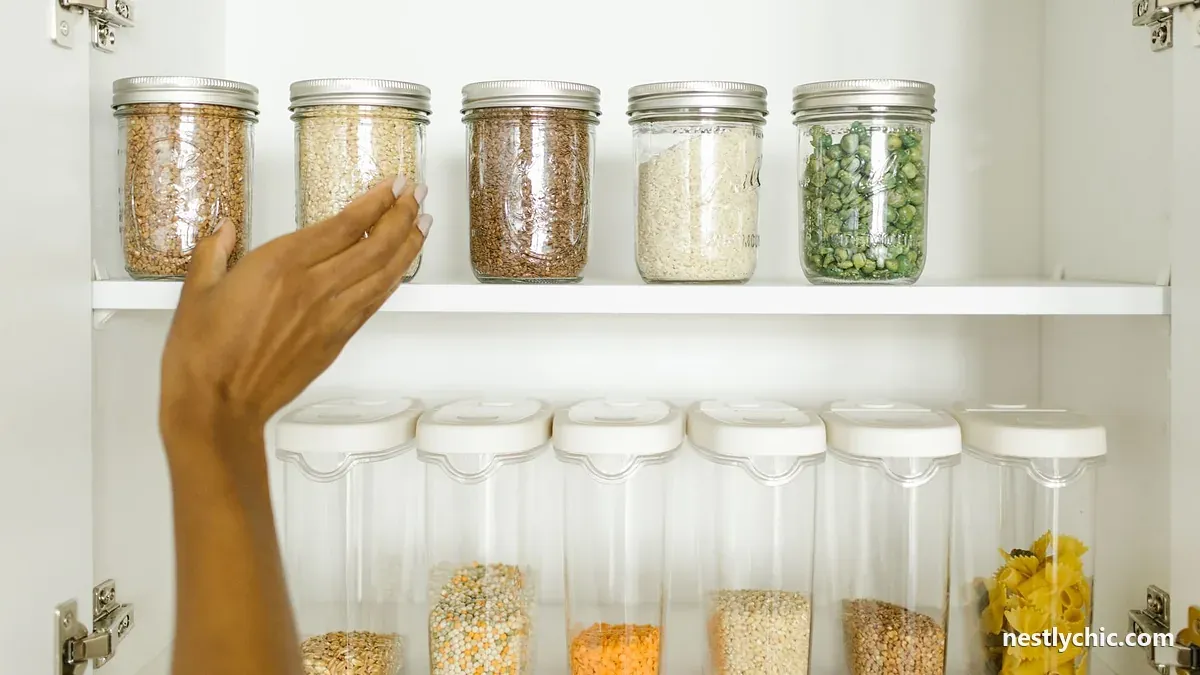
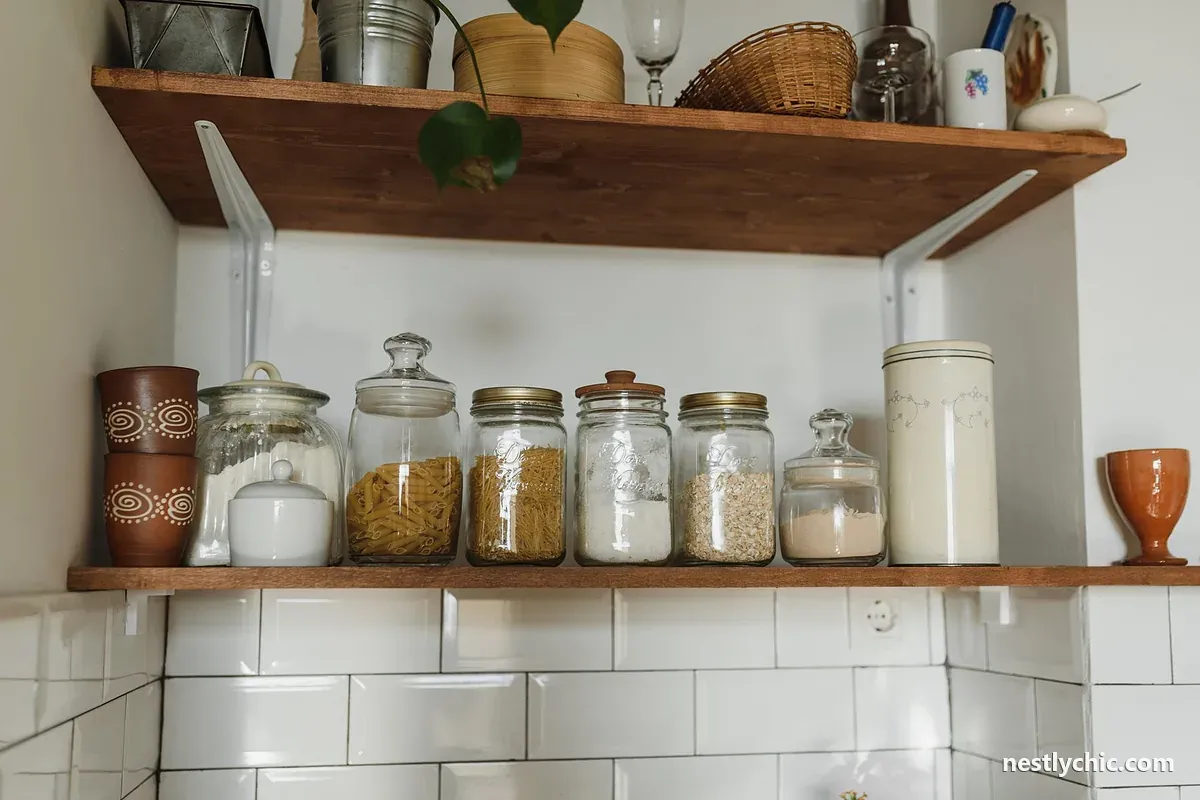
Dry pantry goods are a different sizing problem entirely, because the constraint is your shopping habit, not a meal. If you buy flour or rice in large bags, the container needs to hold the whole bag, not half of it decanted twice. Measure the bag before buying the container, not the other way around.
Sizing by Household Size
The honest starting point is not a container count at all, it's a meal count: how many separate portions does your household actually generate in a normal week. A person living alone who cooks four dinners and eats out the rest of the week needs far fewer containers than a family of four batch-cooking on Sundays, even though both households might own the same-size refrigerator.
This is the same logic that decides how many place settings a household actually needs: the number isn't set by how many people live in the house, it's set by how the house actually eats. A family that eats in shifts needs more single-serving containers than one that eats every meal together, because more food gets set aside individually rather than served straight from one dish.
As a starting point rather than a rule, most households do well with a mix weighted toward small and medium sizes, with two or three large containers held in reserve for the occasions that need them. It's easier to notice you're short a large container once a year than to store eight of them you rarely fill.
Material Changes the Size Math
Size and material are separate decisions, but they affect each other, and the reason comes down to what each material actually is.
Glass containers are heavier per unit of volume than plastic, which matters more as size goes up: a large glass container full of soup is genuinely heavy to lift out of a refrigerator one-handed. Glass is also where thermal shock becomes a real consideration, and it's a property separate from a maximum oven temperature. According to Corelle Brands' own product safety and care instructions for Pyrex glassware (read 2026-09-18), sudden temperature changes, not the temperature itself, are what crack glass: cold liquid poured into a hot dish, a dish moved straight from a freezer into a hot oven, or hot glass set on a cold or wet countertop can all cause a break. The manufacturer's guidance is to let glass cool before refrigerating or freezing it and to avoid combining hot glass with cold surfaces or liquids, and any oven-temperature limit for a specific container should come from that container's own published spec, not a general "glass is oven-safe" assumption. This is the same distinction covered in more depth in tempered versus untempered glass, and why some shatter, which explains why two glass products can behave very differently under the same stress.
Plastic containers are lighter, stack more easily, and survive drops better, which is part of why they dominate the meal-prep and lunch categories. The food-contact safety question people raise most about plastic containers is bisphenol A, or BPA. The U.S. Food and Drug Administration's own current position, published on its BPA and food contact page (read 2026-09-18), is that BPA is safe at the levels currently found in food from approved food-contact uses, while the agency has also restricted specific uses, including barring BPA-based materials from baby bottles, sippy cups, and infant formula packaging. If a plastic container's safety claim matters to you, that's the source to check, not a general "plastic is toxic" or "plastic is safe" framing, since neither is what the regulator's own published position says.
Whatever material you choose, check the actual marks on the container before assuming what it can do. The dishwasher, microwave, oven, and freezer marks are manufacturer claims about that specific product, not a general property of the material, and what the symbols on dishwasher, microwave and oven-safe marks actually guarantee covers what each one does and doesn't promise, a distinction that applies to storage containers exactly the way it applies to dinnerware.
Fridge, Freezer and Cabinet Space Set the Real Ceiling
A sizing chart assumes unlimited storage, and no kitchen has that. Before buying containers in any size, measure the shelf height in your refrigerator and the depth of the cabinet or drawer where containers will live. A large container that doesn't fit your refrigerator shelf without removing another shelf gets used rarely, however useful its volume looks on paper.
The same applies to stacking. Containers of mismatched shapes waste vertical space in a cabinet, which is why buying a few sizes with matching footprints, even across brands, tends to store better long-term than a wide assortment of shapes that all held the same volume differently.
A Practical Starter Mix
| Size tier | Typical job | Notes |
|---|---|---|
| Small (about 16 oz or less) | Single-serving leftovers, spices, small reheats | Buy the most of these; they get used daily |
| Medium (roughly 24 to 32 oz) | Meal-prep lunches, side dishes, two-person leftovers | The workhorse size for most households |
| Large (several cups and up) | Family-sized leftovers, soups, batch cooking | Own two or three rather than a full set |
| Pantry-sized, airtight | Flour, rice, cereal, other dry bulk goods | Size to the bag you actually buy, not a standard chart |
Buy a few of each tier first, notice which size you reach for and which sits empty after a month of normal cooking, and add to the size that's actually running short. That beats guessing a full set up front, in either direction.
FAQ
What size container is best for meal prep? A medium container, roughly 24 to 32 ounces, is the most common choice for a single meal-prep lunch, since it comfortably holds a protein, a grain, and a vegetable without the food compressing. Households prepping smaller portions sometimes prefer a slightly smaller size instead.
How many food storage containers does a household actually need? It depends on how many separate meals or portions your household generates in a week, not on a fixed number. A good approach is to start with a small mix across the sizes above, then add to whichever size you find yourself running out of.
Is glass or plastic better for food storage? Neither is universally better; they trade off differently. Glass doesn't absorb odors or stains and can generally go from fridge to a preheated oven within the maker's own guidance, but it's heavier and carries a real thermal-shock risk if temperature changes are sudden. Plastic is lighter and more drop-resistant, and current FDA guidance holds that approved food-contact plastics, including BPA in its currently approved uses, are safe at the levels found in food.
Can I put a hot dish straight from the oven into the fridge? For glass, manufacturer safety guidance generally says to let it cool first rather than moving it directly between very different temperatures, since that sudden change is what risks cracking the glass, not the temperatures on their own. Check the specific container's own care instructions rather than assuming.
Are all plastic food storage containers BPA-free? Not necessarily, though many consumer containers marketed for food storage now are. Whether a specific product contains BPA is a manufacturer disclosure, and the FDA's own current position is that BPA is safe at approved food-contact use levels, while some specific uses, like baby bottles, are already restricted.
Sources: no capacity, temperature, or price figure in this article is a fabricated or invented number; sizing ranges above describe common consumer container categories rather than a single verified figure, and any household should confirm the volume printed on a specific product before buying. Thermal-shock guidance for glass is drawn from Corelle Brands' own Pyrex product warranties, safety and usage page (read 2026-09-18); always confirm the specific product line's own published temperature limit rather than assuming it from another product. Food-contact plastic and BPA guidance is drawn from the FDA's own Bisphenol A (BPA) and food contact page (read 2026-09-18). No brand or specific product is recommended.