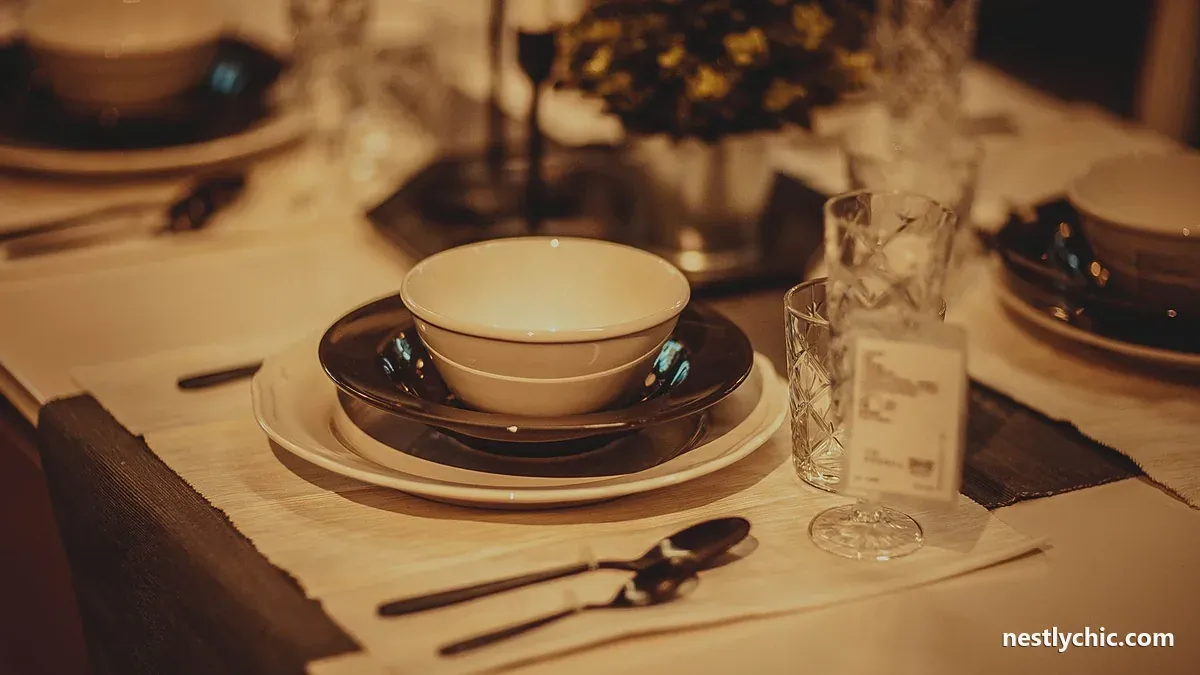
No household needs two sets of dishes. Some households want one, and the honest test is whether the second set will be used often enough to justify the shelf it occupies. That is a storage and habit question, not a question about quality or etiquette.
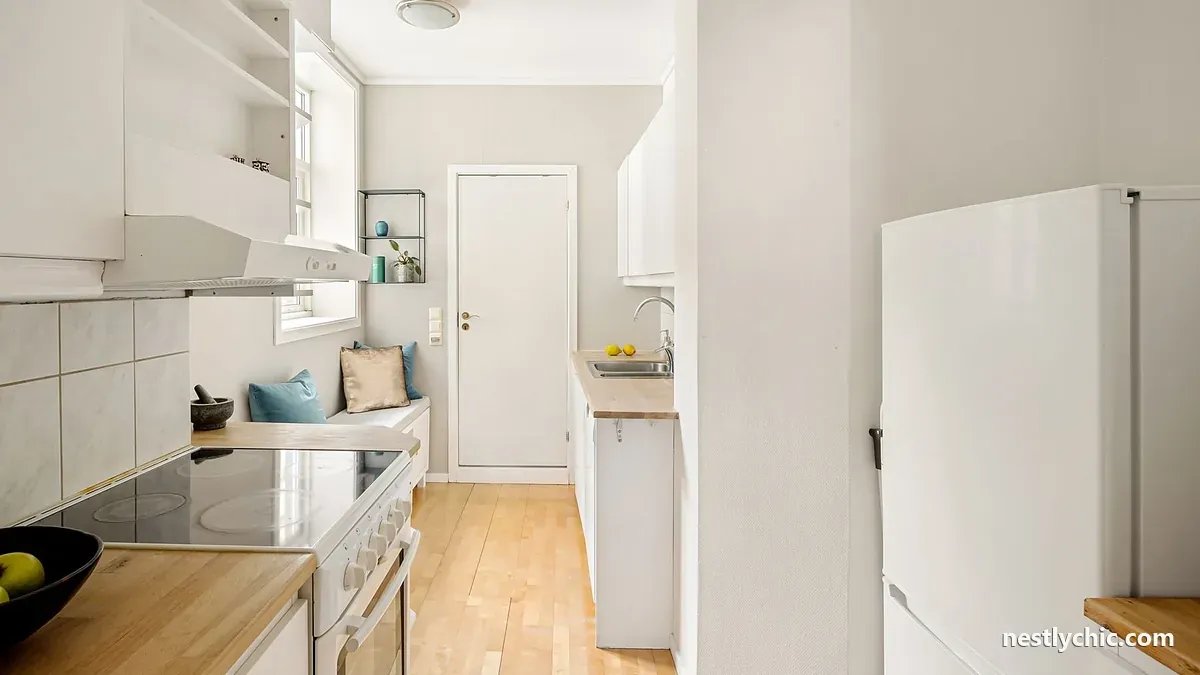
The reason the question feels heavier than it is: the two-set convention was built around a room and a routine that most homes no longer have, a dining room used for hosting and a china cabinet that stored the second set outside the working kitchen. Remove the cabinet and the second set has to compete for space with the first.
Do I need everyday and formal dishes? The four questions that settle it
Answer these before comparing any product, because they decide the shape of the purchase.
1. How many times a year would the second set actually come out? Not how many times you would like it to. Count the occasions in the last twelve months when a different plate would have changed anything.
2. Where would it live? A second set is a permanent claim on shelf space, and in most kitchens that space is already the binding constraint. If it displaces something used weekly, it has a real cost. The measurements that decide what a cabinet can hold are in the cabinet, drawer and counter dimensions that decide what fits.
3. Can the second set take normal handling? This is the question people skip, and it is answerable from published documents rather than from opinion. See the next section.
4. Would a larger single set solve the same problem? Often it would. The reason a household reaches for a second set at Thanksgiving is usually that it does not have enough of the first one, which is a count problem rather than a formality problem. The arithmetic behind that count is in how many place settings a household actually needs.
The published information that answers question three
Whether a set can be used casually is largely decided by what its maker says about washing and heating, and that is written down.
Corelle publishes usage limits for its glass dinnerware: serving and reheating in microwaves or preheated conventional ovens up to 350 degrees Fahrenheit (176 Celsius), no use under a broiler or griller, and no sudden temperature changes, including not adding liquid to a hot item or placing a hot item on a wet surface (Corelle product warranties, safety and usage page, read 2026-09-08). That is the profile of a set designed to be handled without much thought.
Lenox publishes a replacement promise for dinnerware and serveware that is defective or breaks during normal use, conditional on the item having been registered in advance and on proof of breakage, and applying to the original owner only (Lenox warranties page, read 2026-09-08). A promise that runs through registration and original ownership is a different relationship with a plate than a set you can replace from a supermarket shelf.
The Fiesta Tableware Company warrants first-quality dinnerware against chipping under normal usage conditions for five years from delivery, while expressly excluding breakage and chipping caused by drops, falls or knocking against something (Fiesta Factory Direct warranty page, read 2026-09-08).
What to take from three different companies saying three different things: a set's terms tell you what it was designed for, and the terms are free to read before you buy.
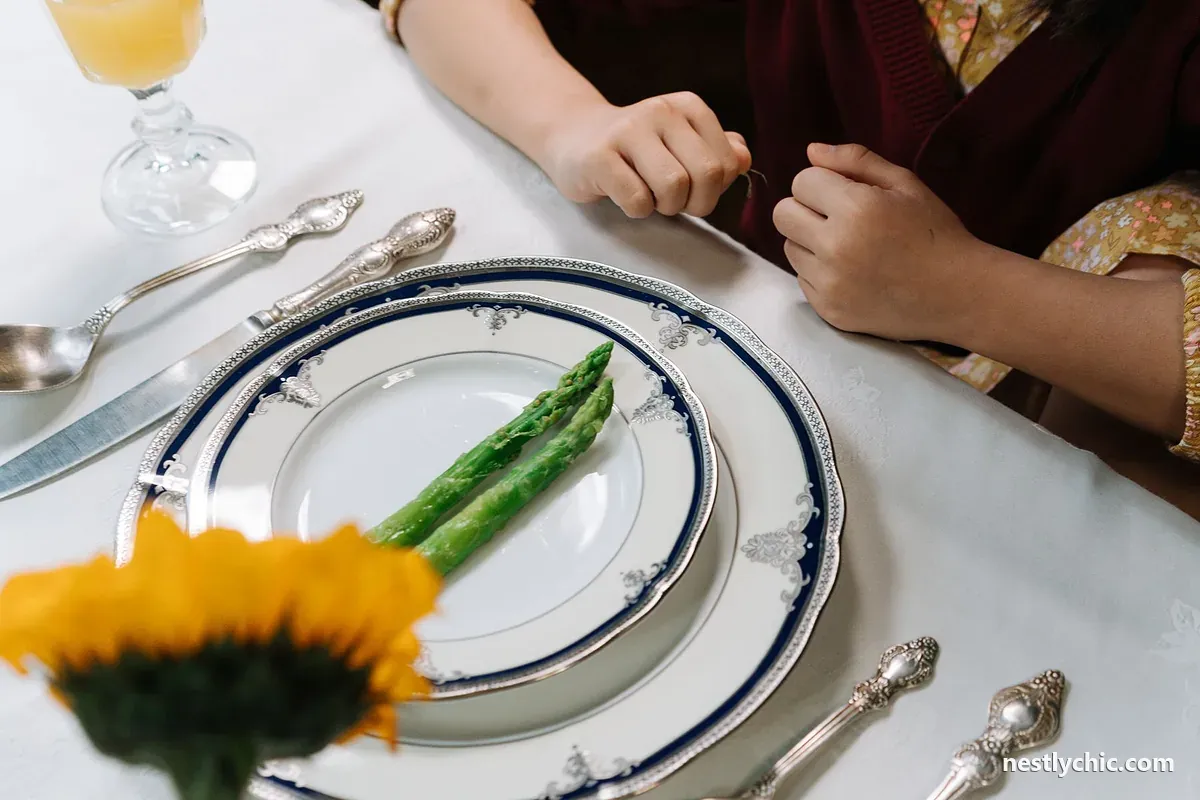
One specific check, and it decides more second-set questions than anything else. Where a piece carries metal banding or applied decoration, the maker's own care instructions are where any microwave or dishwasher exclusion will be stated. A set that cannot go in the dishwasher will not be used on a Tuesday, whatever the household intends when it buys.
What the two-set convention was solving
Worth stating, because it was not vanity.
Hosting used to require matching pieces in a larger count than daily life needed. A second set was how a household got twelve of something without storing twelve of everything in the kitchen.
Materials were less forgiving in both directions. The daily set was expected to take wear, and the good set was expected not to have to.
Storage lived outside the kitchen. A china cabinet in a dining room is why the second set was not competing for cabinet space.
Two of those three conditions have largely gone. The count problem is the one that remains, and it is soluble by buying more of one set rather than some of a second.
The three approaches, and what each one costs
Not ranked. These are the shapes the decision actually takes.
| Approach | What it gives you | What it costs | Who it tends to fit |
|---|---|---|---|
| One set, sized for the largest table you host | Everything matches, nothing is stored unused, no decision at dinner | The set has to be durable enough for daily use and pleasant enough for guests, which narrows the choice | Most households, and almost every household without a separate dining storage space |
| One core set plus a few larger or serving pieces | A visibly different table for occasions at a fraction of the storage cost | Requires the additions to coordinate with the core | Households that host a few times a year |
| Two full sets | A genuine second table, and a fallback when the first set is in the dishwasher | Permanent shelf space, doubled replacement problems, and a set that ages by sitting still | Households that host often, or who inherited a set they want to keep |
Every row has a downside stated on purpose. A page that presents one of these as the answer is not describing your kitchen.
The set nobody counts
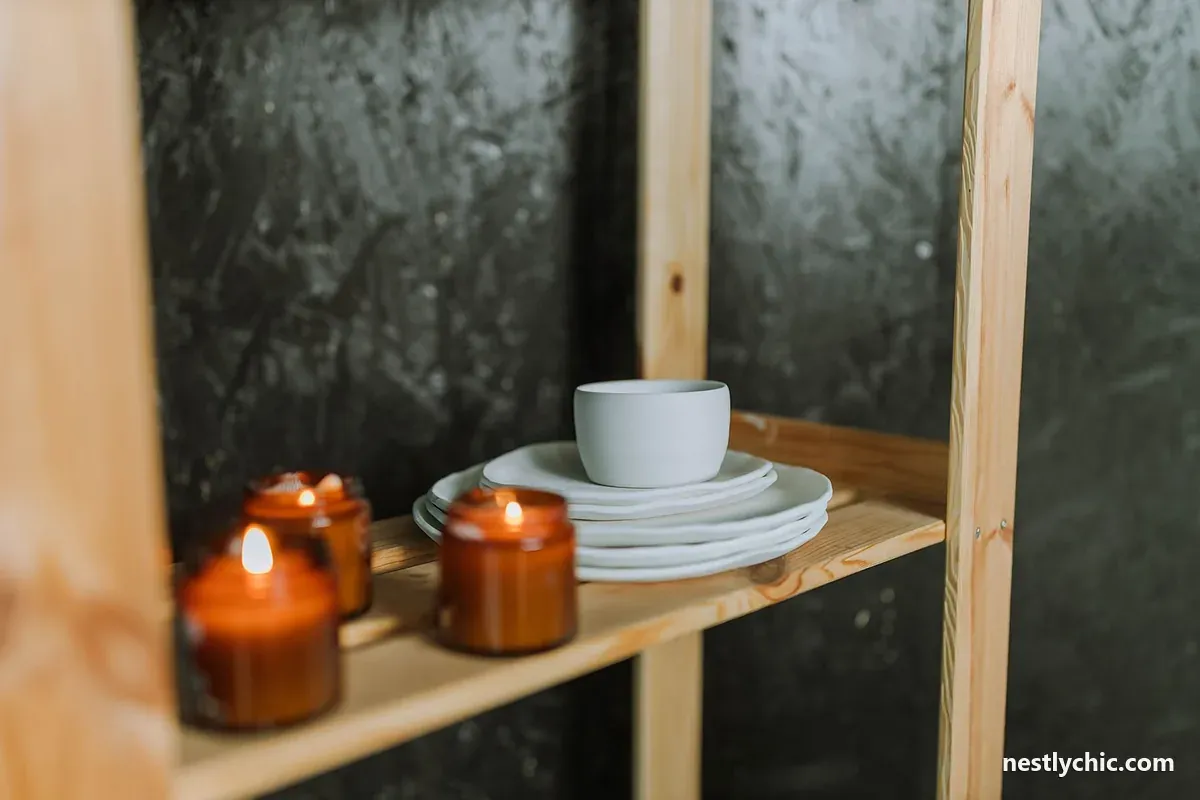
Most households already own a third category and have never called it one: the survivors. Mismatched plates from an earlier set, pieces that came with a house, the two bowls everyone actually prefers.
They are the reason the second-set question is often already answered. A household with eight good plates, six survivors and a stack of serving pieces has three sets in practice, and the useful move is deciding which one is the daily set rather than buying a fourth.
The same reasoning applies to the pieces inside a set. A boxed set that includes a piece the household will never use is storing that piece indefinitely, which is the dinnerware version of the argument in the kitchen items that do not earn their space.
If a second set is inherited rather than chosen
Keeping it is a legitimate answer and does not need a practical justification. Sentiment is a real reason and it does not have to be defended as utility.
What is worth doing is deciding its status deliberately. A set kept for its meaning can be stored compactly and outside prime shelf height. A set kept because it might be useful, and never used, occupies the best space in the kitchen for years.
And if it is being used, its care terms still apply. An older set from a maker who published guidance is best handled by that guidance where it can still be found, and by caution where it cannot.
If you are buying now, not later
Buy the daily set first and size it for the biggest table you realistically set. That single decision removes most of the reason a second set gets bought.
Add serving pieces rather than a parallel set. Platters and larger bowls change a table more visibly than a second pattern of dinner plate does, and they store differently.
And if this is a registry or a housewarming list, put the count before the character. The list logic and what belongs on it is in the housewarming and registry checklist, and dinnerware is where registries most often overbuy variety and underbuy quantity.
FAQ
Do I still need separate everyday and formal dishes? No household needs two sets. Two sets make sense when hosting is frequent, when a set was inherited and is wanted, or when there is storage for the second set outside the working kitchen. For most households a single set sized for the largest table they host does the same work with less storage.
Can I use fine china every day? That depends on what its maker publishes about washing, heating and decoration rather than on convention. Care instructions are where any dishwasher or microwave exclusion appears, and metal banding or applied decoration is the usual reason for one. A set that cannot be washed normally is unlikely to be used daily whatever the intention.
Is it better to buy one large set or two smaller ones? One larger set covers hosting and everyday use with a single storage footprint and one replacement problem. Two sets give a genuinely different table and a fallback while the first is in the dishwasher, at the cost of permanent shelf space. The count you need comes first either way.
What should I do with inherited china I do not use? Deciding its status is the useful step: kept for its meaning and stored compactly, brought into rotation, or passed on. The expensive outcome is the undecided one, where it holds prime shelf space for years without being used.
Do serving pieces count as a second set? In practice they do most of the work people expect a second set to do. Platters and larger serving bowls change the look of a table noticeably and store differently from a parallel stack of dinner plates.
Sources, read 2026-09-08: Corelle product warranties, safety and usage page (corelle.com); Lenox warranties page (lenox.com); The Fiesta Tableware Company warranty (fiestafactorydirect.com). This page ranks nothing, recommends no set or brand, quotes no price and carries no affiliate link. Brands are named only where a statement comes from that company's own published document. Nothing here was tested or owned by this site.