The problem with buying bakeware is that every list is written backwards. It starts from recipes you have not chosen yet, and it produces a drawer of tins that come out once.
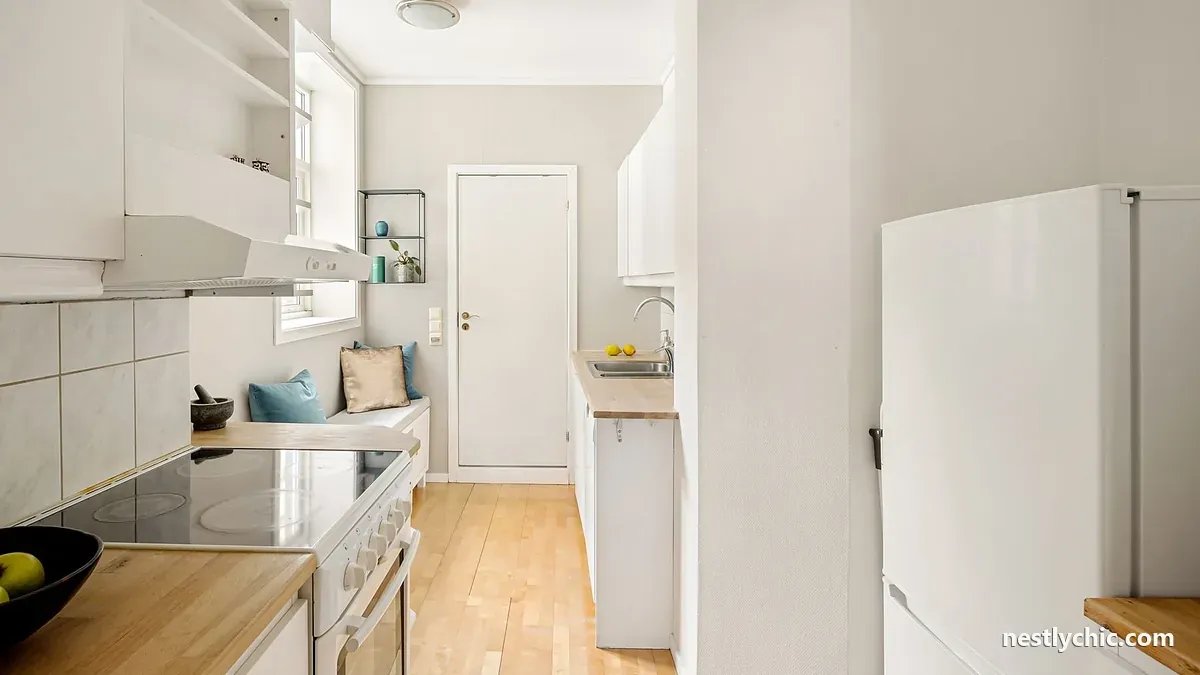
Start from the oven instead. Everything in this category is constrained by one measurement, and it is the interior width of your oven. A piece that does not fit with air around it does not work, however good it is.
Then buy the pieces that do more than one job. Four of them cover most of what a household bakes, and they are not the four on most lists.
This page is about which pieces to buy. It contains no recipes and no baking method, because that is not what this site does.
The measurement that comes first
Measure the oven interior, wall to wall and front to back, before buying anything.
Then subtract clearance. A tray that touches the oven walls blocks airflow, and a tray you cannot lift out with two gloved hands is a tray you will resent.
The most common expensive mistake in this category is buying a tray that fits in the sense of physically going in, and discovering the first time it comes out full and hot that there was nowhere to put your hands.
Cabinet and drawer dimensions are the second constraint, because bakeware is flat, awkward and mostly stored rather than used. Which household dimensions are worth writing down once is set out in the cabinet, drawer and counter dimensions that decide what fits.
The four that earn their space
1. A sheet pan
The single most useful piece in the category and the one that does the most jobs: roasting vegetables, cooking a tray of anything, toasting, and, incidentally, baking.
Size is decided by your oven rather than by a recipe, and the size names are not specifications. We work through that, and what the names actually refer to, in what size sheet pan should I buy.
Two is more useful than one for most households, because the second one is what lets a batch continue while the first is in the oven.
2. A rectangular baking dish
The casserole, the traybake, the roasted dish that goes to the table. Ceramic, glass and metal behave differently and the difference matters more than most lists admit, particularly around thermal shock, which is a safety question rather than a preference. We set that out in glass, ceramic and stoneware bakeware: thermal shock and what cracks.
3. A loaf pan
Bread, yes, and also the piece that quietly does meatloaf, terrines and anything that wants a compact shape.
One is enough unless a household bakes bread regularly.
4. A round cake pan, or two
Two if you want to make a layered cake without waiting, one if cake is occasional. This is the piece where "buy two matching" is genuinely useful rather than upsell, because a layer cake made in one pan twice is a different job.
The one everybody buys first and uses least
The muffin tin.
It appears on every beginner list, it is inexpensive, and in a great many households it comes out twice a year. That is not an argument against owning one. It is an argument against buying it before the four above.
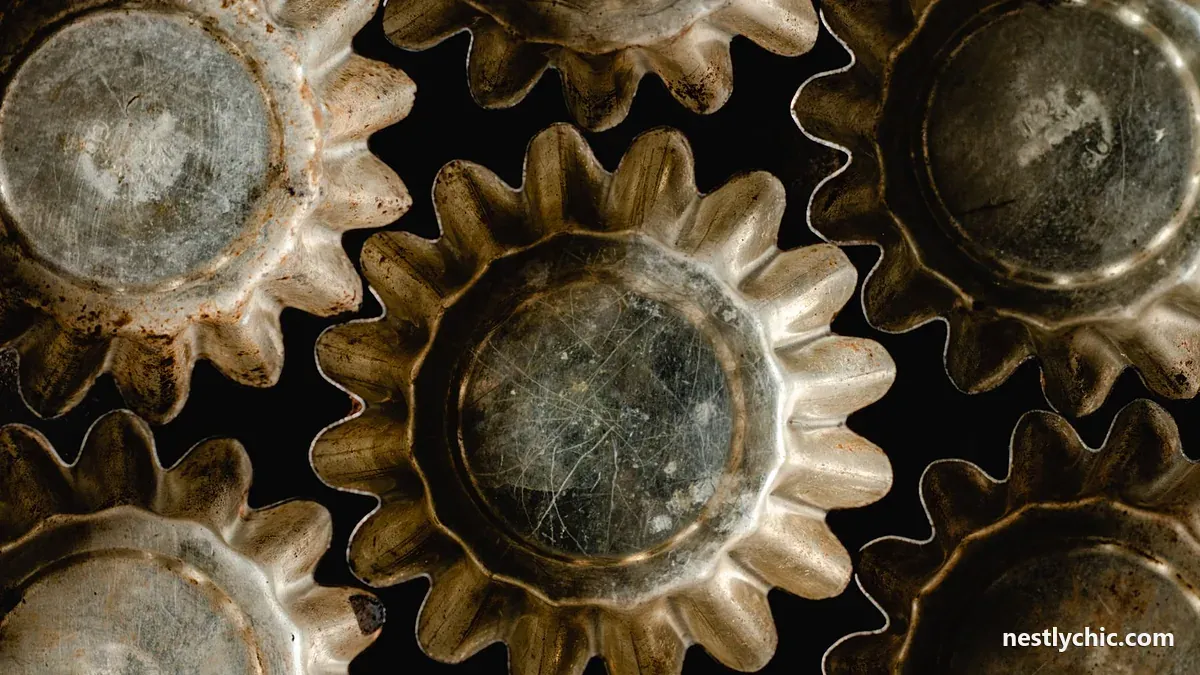
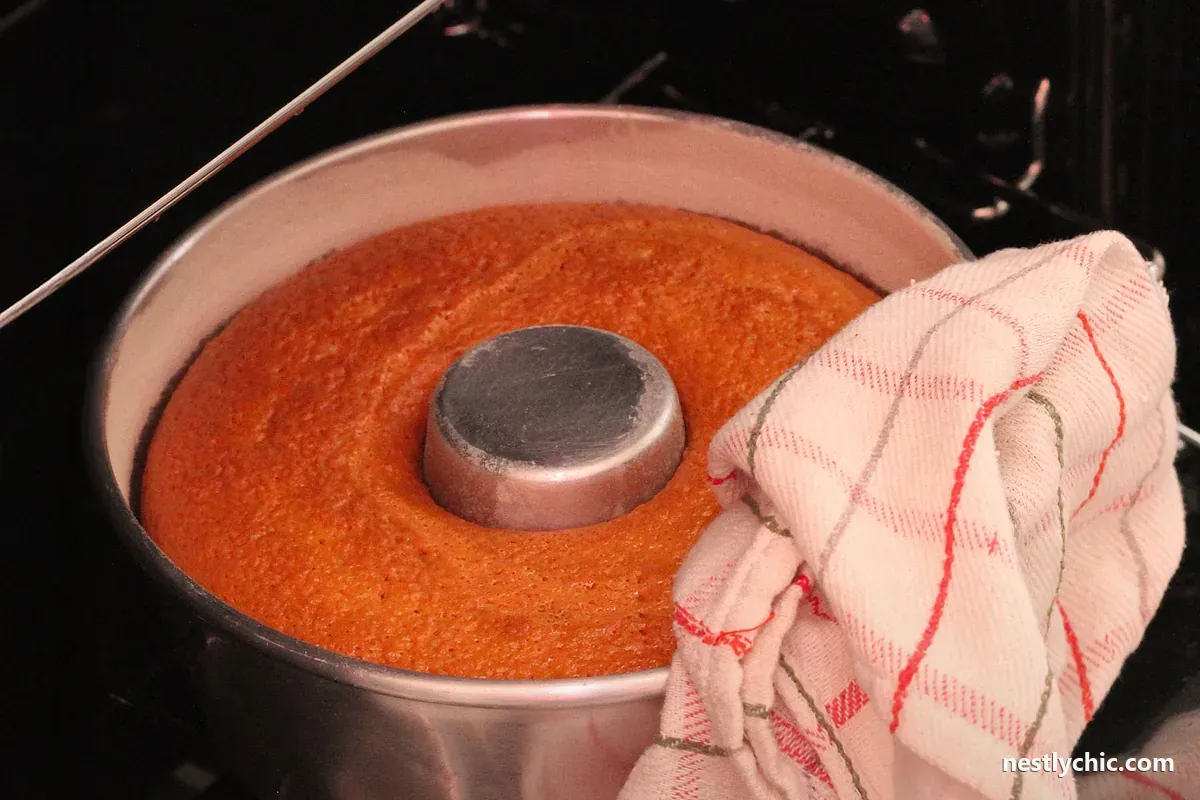
The same reasoning applies to specialty shapes: bundt pans, tart tins with removable bases, springform pans and madeleine trays. Each is excellent at one thing and useless at everything else, and each is a purchase to make when a specific intention exists rather than in advance.
Which is the general principle for this whole cluster, and it has its own page: what to skip until you know how you actually cook.
Material, briefly, and what it changes
Metal heats fast and browns.
Glass and ceramic heat more slowly, hold heat longer, and can be taken to the table.
And glass and ceramic have a thermal shock limit that metal does not. That is the one genuine safety point in this category, because a failure is a breakage with hot food in it. Manufacturer limits are per product and this site does not generalize them, which is why glass, ceramic and stoneware bakeware is the terminal page for every thermal limit on this site.
Coated versus uncoated is the other axis, and it brings in the same care questions as any nonstick surface. What shortens a coating's life is a separate page and it is not repeated here.
No brand or product is recommended anywhere on this site, and no price appears anywhere on it.
What order to buy in
If you are stocking from nothing, this is a sequence rather than a shopping list.
First: one sheet pan, sized to your oven.
Second: a rectangular baking dish.
Third: the second sheet pan. Almost everyone who owns one wants two.
Fourth: a loaf pan.
Later, once an intention exists: cake pans, and only then the specialty shapes.
Never on the first pass: anything with a specific single use, however cheap it is.
What this page will not do
Give you a recipe or a method. Baking technique is not this site's ground.
Give you a size in inches for anything except by reference to your oven. Pan naming conventions are not specifications and the one that matters is yours.
Recommend a product or quote a price.
Tell you a piece will last a given number of years. No such figure is published for domestic bakeware by anybody we could cite.
FAQ
What bakeware does a beginner actually need? A sheet pan sized to your oven, a rectangular baking dish, a loaf pan, and one or two round cake pans. That covers most of what a household bakes, and it is a shorter list than most guides give.
What should I buy first? A sheet pan. It does more jobs than anything else in the category, including several that are not baking.
Do I need a muffin tin? It is on every beginner list and in most kitchens it comes out rarely. Worth owning eventually, not worth buying before the four pieces above.
Metal, glass or ceramic? Metal heats fast and browns. Glass and ceramic heat more slowly, hold heat and go to the table. Glass and ceramic also have thermal shock limits that metal does not, and those limits are manufacturer-specific.
What size sheet pan? Decided by your oven interior rather than by a recipe, and the size names are not specifications.
When should I buy specialty tins? When a specific intention exists. A bundt pan, a springform and a tart tin are each excellent at one job and useless at every other one.
Sources: this page quotes no dimension, no capacity, no temperature, no price and no lifespan figure, and cites none. Oven and thermal limits are manufacturer-specific and the reader is routed to this site's glass, ceramic and stoneware bakeware page, which is the terminal page for thermal limits and carries its own sourcing. Baking method and recipes are outside this site's scope. No brand is named and no product is recommended.