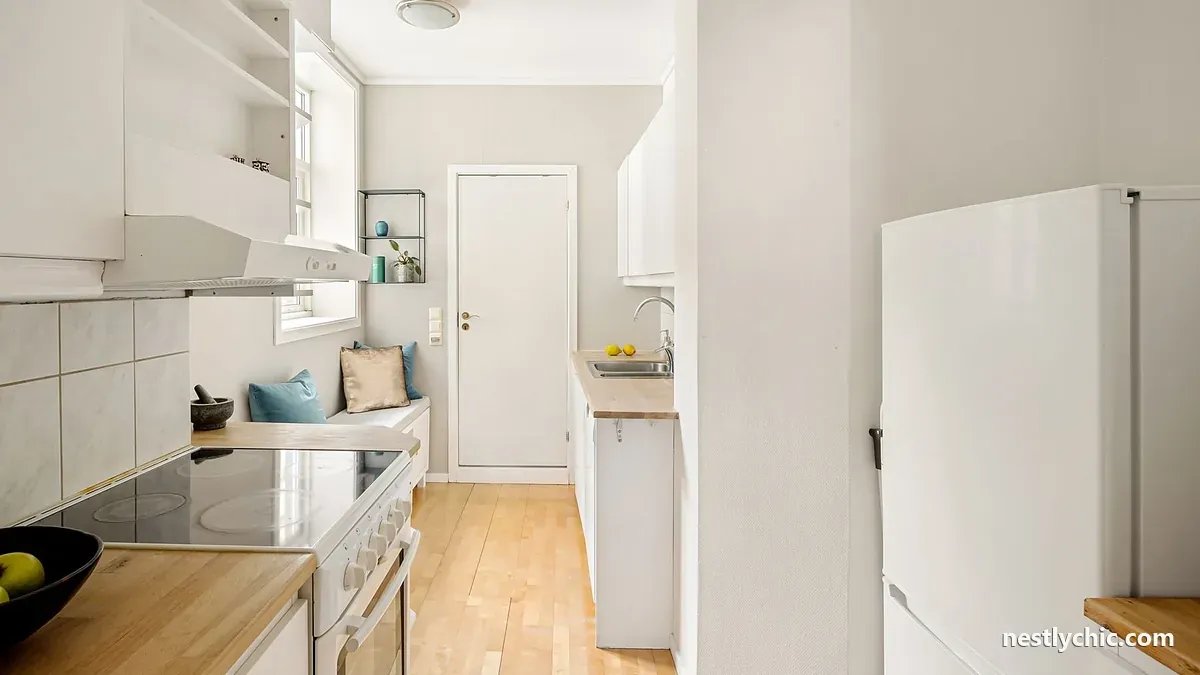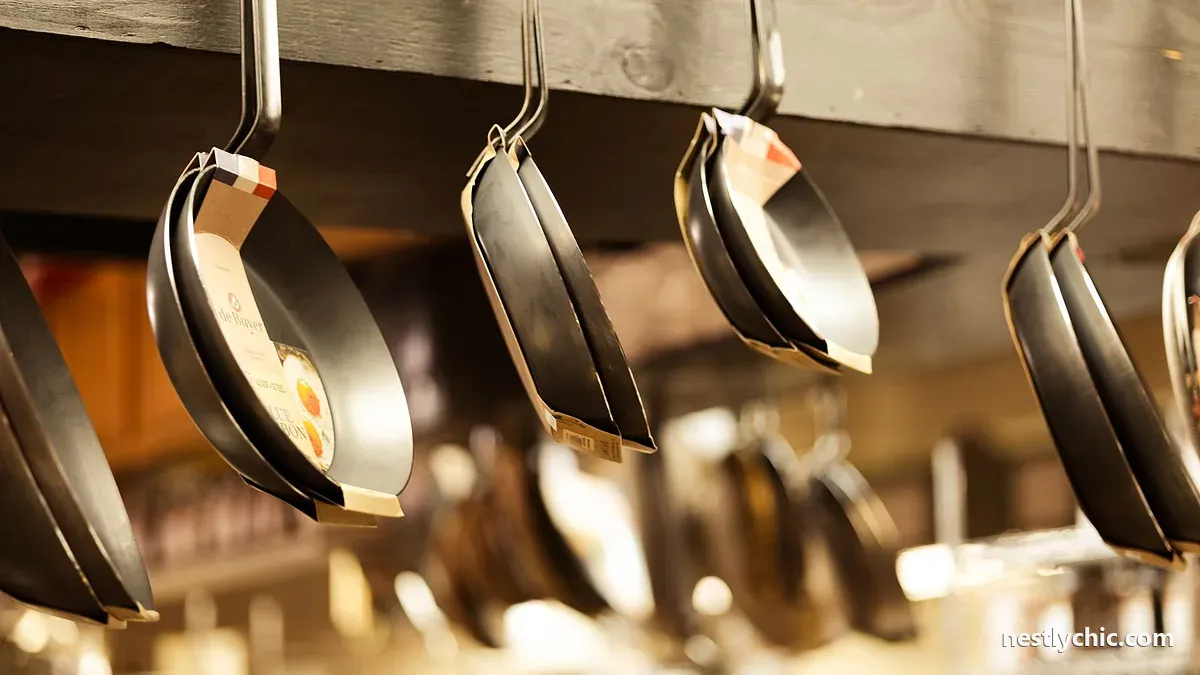
A cookware set's per-piece discount is real, but it only pays off on pieces the household would have bought anyway. The right question is not "is the set cheaper," it almost always is on paper, but "how much of this set will actually get used." A first kitchen with no cookware at all and a firm budget ceiling is the strongest case for a set. An established kitchen replacing one or two worn pieces, or a household whose cooking habits already skew away from a standard set's assortment, is usually better served buying open stock, piece by piece, even at a higher price per item. What follows is how to tell which situation applies.
The Real Question: Not "Cheaper" but "Will You Use It"
Every cookware set comparison online settles on the same headline fact: buying a set costs less per piece than buying the same pieces individually. That is true and also not the whole answer, because a set's price advantage assumes every piece in the box gets used. A ten-piece set with three pieces that spend the next five years in a cabinet is not a discount, it is money and storage space spent on pieces nobody wanted, wrapped around the two or three pieces that were actually needed.
The comparison that matters is not set price against the sum of individual prices. It is set price against the price of only the specific pieces a given household would actually use, bought individually. That second number is often closer to the set's price than it first appears, and sometimes lower.
What the Standard Set Assumes You Need
Most cookware sets are built around a similar core: a small and large skillet, a small and large saucepan with lids, a stockpot, and sometimes a sauté pan or a steamer insert. That core covers a real range of everyday cooking, but it is built to look complete on a shelf, not to match any specific household's habits. A household that cooks mostly one-pan meals gets little extra value from a second skillet size. A household that bakes often gets nothing from a set at all, since bakeware is rarely included.
Naming what the set actually contains, rather than assuming "a set" means "everything needed," is the first step in deciding whether it fits.
When a Set Is the Right First Buy
The clearest case for a set is a genuinely empty kitchen with no existing cookware and a firm budget ceiling. In that situation, the set's core pieces are close to what the pillar checklist already recommends buying anyway, and the discount applies to pieces that were going to be purchased regardless. A set also removes a real amount of decision fatigue for a household setting up an entire kitchen at once, which has a value of its own even before the price is considered.
When Open Stock Wins Even at a Higher Price
Open stock, buying individual pieces rather than a boxed set, wins in a few specific situations. A household replacing one or two worn pieces from an otherwise complete kitchen gains nothing from a set, since most of a set's contents would be redundant. A household whose cooking style is already well established, heavy on one particular pan size, indifferent to another, is better served choosing exactly what it uses than accepting a set's fixed assortment. And a household with a firm quality bar for a specific piece, wanting one genuinely excellent skillet rather than an adequate one bundled with several other adequate pieces, is generally better served buying that one piece deliberately.
Set Versus Open Stock, at a Glance
| A set fits better when | Open stock fits better when | |
|---|---|---|
| Starting point | Kitchen has no cookware at all | Kitchen has most pieces already |
| Budget | Fixed ceiling, need everything covered at once | Willing to spend more on fewer, specific pieces |
| Cooking style | Not yet established, or genuinely varied | Already known, and uneven across pan sizes |
| Quality priority | "Adequate across the board" is acceptable | One or two pieces need to be genuinely excellent |
| Decision fatigue | High value in one decision covering everything | Comfortable choosing each piece deliberately |
This is a starting point, not a rule. A household can reasonably sit on both sides of the table for different reasons, and the piece-by-piece test above settles it more precisely than the table alone.
The Storage Cost Nobody Prices In
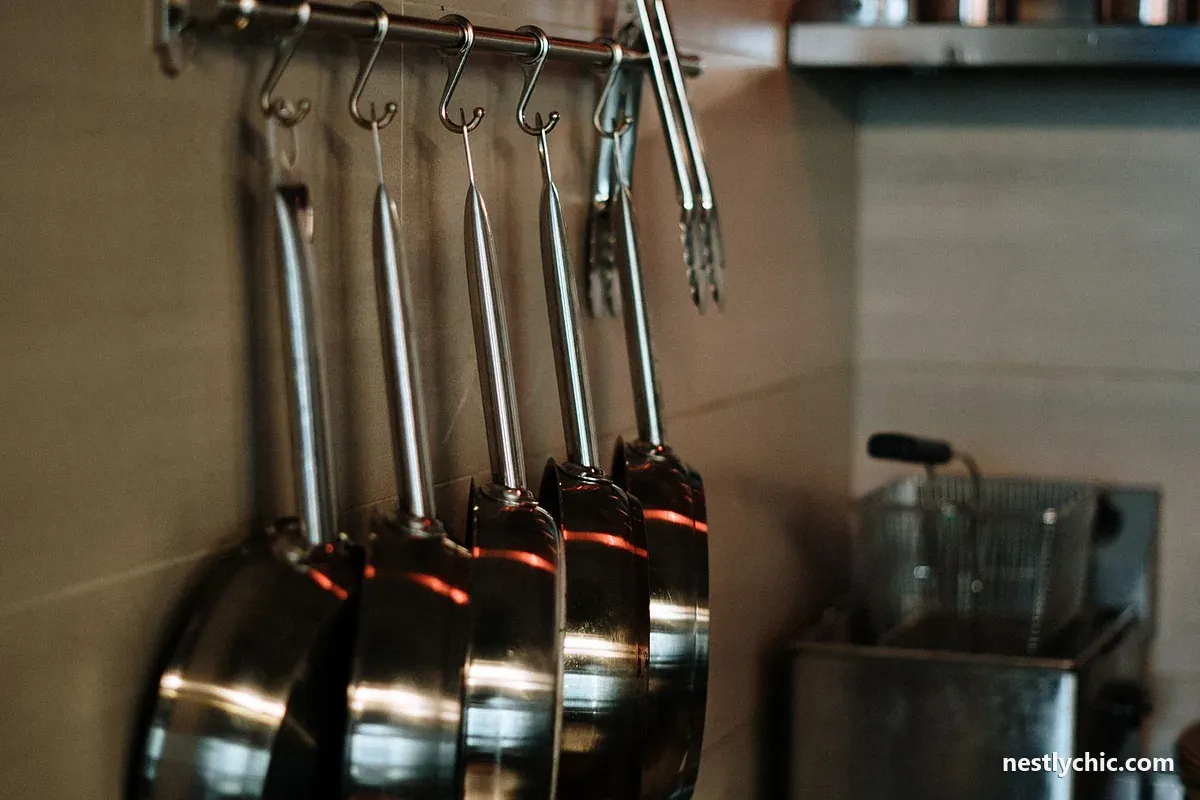
A set's unused pieces do not just sit unused, they occupy real cabinet space that a smaller, more deliberately chosen collection would not need. Cabinet and drawer space is a genuinely finite resource in most kitchens, and a set purchased for its sticker price without weighing what it costs in storage is not accounting for the full price of the decision. This matters more in a smaller kitchen than a large one, but it is worth naming in either case, since it rarely appears in a straightforward price comparison.
A Simple Test Before You Decide
Before committing to a set, name every piece in it and mark whether the household would buy that specific piece on its own. If most pieces get a genuine yes, the set is a reasonable buy. If several pieces get a shrug or a no, pricing the pieces that got a yes individually, and comparing that total against the set's price, usually gives a clearer answer than the set's advertised discount does on its own. Sizing decisions and the spend-versus-save framework both feed directly into this test, since household size and category-by-category spending priorities determine which specific pieces are worth buying in the first place.
FAQ
Is a cookware set actually cheaper than buying pieces individually? Per piece, usually yes. Overall, only if most of the pieces in the set would have been bought individually anyway. A set with several unused pieces can cost more in practice than a smaller, deliberately chosen collection.
What is the biggest downside of a cookware set? The fixed assortment. A set is built to look complete, not to match any specific household's cooking habits, and pieces that do not match how a household actually cooks are a cost, not a bonus.
Is open stock cookware worth the higher per-piece price? For a household replacing a few pieces, or with an established cooking style, yes, since it avoids paying for pieces that would go unused. For a fully empty kitchen on a tight budget, a set's core assortment is usually harder to beat.
How many pieces of cookware does a household actually need? It depends heavily on household size and cooking style rather than a fixed number, which is covered separately in the household-sizing framework linked above.