The box says 20-piece and the number sounds like a quantity. It is not a quantity, it is four settings of five, and the five is where the useful information is.
Once you know which five, you can work out how many of the twenty you will actually put on a table, and in a lot of households it is three of the five rather than all of them.
The convention
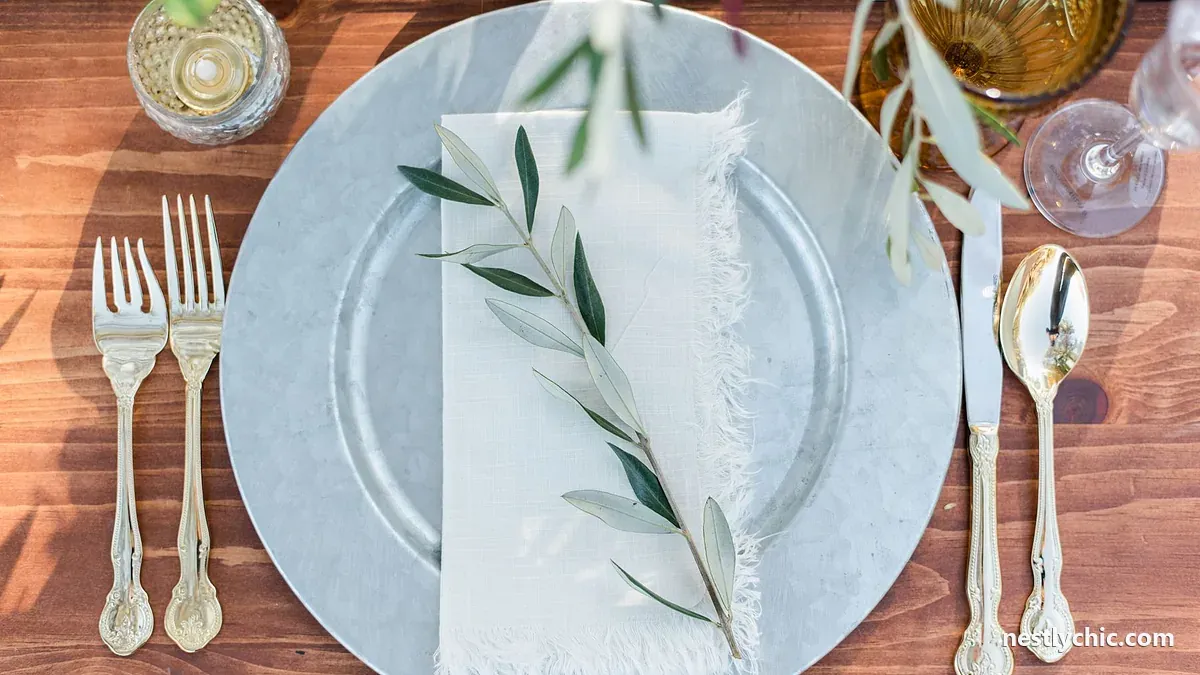
A place setting is a per-person group of pieces, and the count in the box is settings multiplied by pieces per setting.
16-piece is usually four settings of four.
20-piece is usually four settings of five.
40-piece is usually eight settings of five.
Which is why "20-piece" tells you nothing on its own. The number that matters is the pieces-per-setting figure and the identity of those pieces, and both are on the box in smaller type.
The five, and what each one is for
The composition varies by maker, and this is the common arrangement.
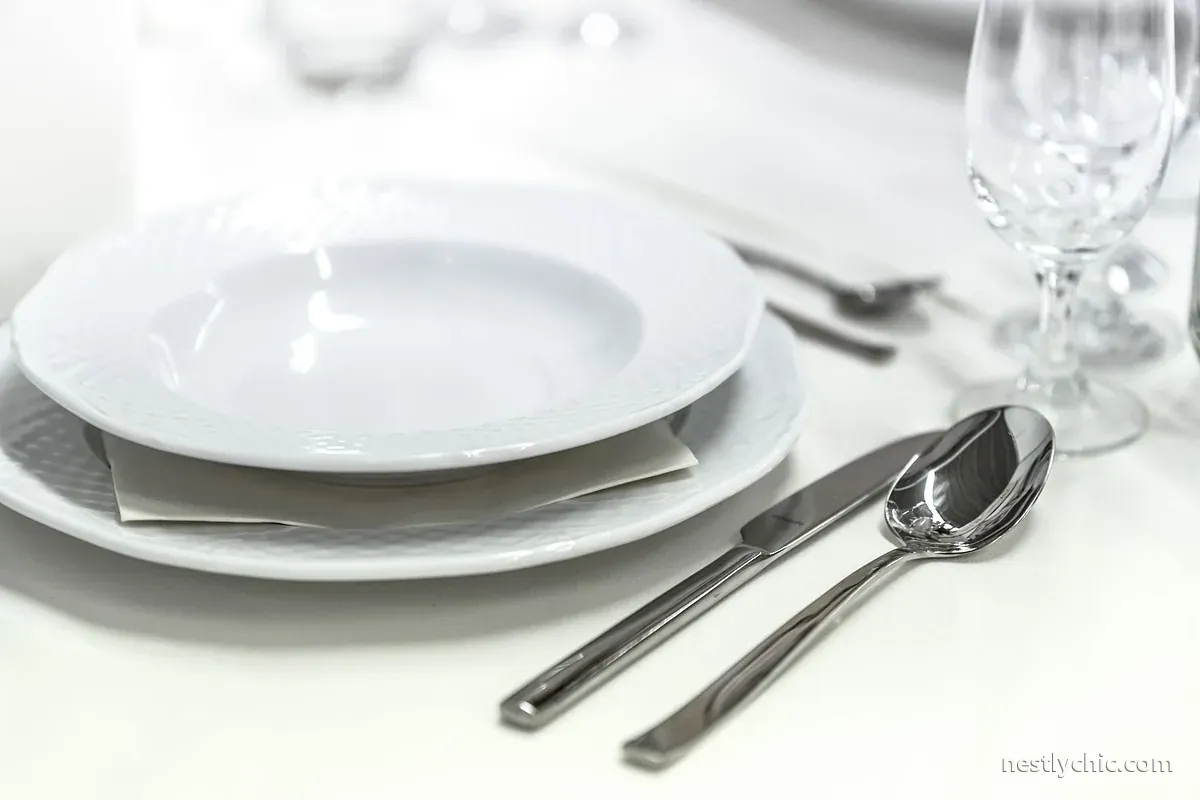
The dinner plate. The piece that does most of the work, and the one whose diameter decides whether the set fits your cupboard.
The salad or side plate. Smaller, and genuinely useful: side dishes, bread, breakfast, a plate for a child, and a lid for a bowl in the microwave.
The bowl. Cereal, soup, pasta, everything. In many households this is used more than the dinner plate.
The mug. Included in most five-piece settings and the piece most often already owned in quantity.
The saucer. The fifth piece, and the one most likely to sit in a cupboard unused for the life of the set.
Which of them you will actually use
Be honest about the mug and the saucer, because they are two of the five.
Mugs are the piece households already have. Most kitchens accumulate mugs from everywhere, and a set's mugs frequently end up at the back. If you already own mugs you like, four more matching ones are not the value you are paying for.
Saucers go unused in most households that are not serving tea formally. They stack, they take shelf depth, and they come out rarely.
Which means a nominal five-piece setting is often a three-piece setting in practice: dinner plate, side plate and bowl.
That changes the arithmetic, because the number of settings you need is driven by how many plates and bowls are in circulation between dishwasher runs, not by how many mugs came in the box. The full calculation, with your own inputs, is in how many place settings a household actually needs.
What is usually not in a set, and gets bought separately
Worth knowing before you conclude a set covers you.
Serving pieces. Platters, large serving bowls and anything meant to go in the middle of the table are usually sold separately.
Pasta or wide bowls. Increasingly common as a separate purchase, because the bowl in a standard setting is often a cereal bowl rather than a pasta bowl.
Anything oven-safe. Dinnerware and bakeware are different categories with different limits, and the symbols on the bottom of a plate are a separate subject.
Mugs of the size you actually drink from. Set mugs and the mug you use every morning are frequently different sizes.
Two ways to buy, and what each gets you
A boxed set gives you a matched group at once, and the composition is fixed. You take the saucers whether you want them or not.
Open stock means buying individual pieces of a pattern, which lets you buy six bowls and two mugs if that is what your household uses, and lets you replace one broken plate later.
The second one is the flexibility that matters over a decade, and it is a different question from what is in the box today. That is its own decision and it has its own page.
Sizing, which is a separate constraint
Plate diameter decides whether the set fits your cupboard, and dinner plates have grown over the years. Measure the shelf before buying, not after. Which household dimensions are worth recording once is in the cabinet, drawer and counter dimensions that decide what fits.
Bowl volume varies enormously between patterns described the same way, and it is the piece most likely to disappoint. If a household eats a lot from bowls, that is the piece to check dimensions on rather than the plate.
A short way to decide
Rather than picking a box size, count what your household actually puts on a table.
| Piece | How many are in use at once, on a normal day | How many between dishwasher runs |
|---|---|---|
| Dinner plates | ||
| Side plates | ||
| Bowls | ||
| Mugs | ||
| Saucers |
Fill that in and you know which set composition fits you, and whether you would be better served buying open stock in the ratio you actually use. What earns permanent cupboard space and what does not is the same reasoning as what to skip until you know how you actually cook, applied to the table instead of the stove.
What this page will not do
Recommend a pattern, a brand or a set. No product is recommended anywhere on this site.
Quote a price, per piece or per set.
Tell you how long a set lasts. No such figure is published by anybody we could cite.
Interpret the symbols on the underside. Dishwasher, microwave and oven marks are a separate subject with a separate answer.
FAQ
What is included in a place setting? Commonly five pieces per person: a dinner plate, a salad or side plate, a bowl, a mug and a saucer. The composition varies by maker and the exact five are listed on the box in smaller type than the total count.
What does a 20-piece dinnerware set contain? Usually four settings of five pieces. The number on the box is settings multiplied by pieces per setting, not a count of anything you can use independently.
Which pieces do people not use? The saucer most often, and the mug in households that already own mugs they prefer. That turns a nominal five-piece setting into a three-piece one in practice.
Should I buy a set or individual pieces? A set gives you a matched group at a fixed composition. Open stock lets you buy the ratio your household actually uses and replace single pieces later, which matters more over a decade.
What is not in a set? Serving pieces, wide or pasta bowls, and anything oven-safe are usually separate purchases.
How do I know it will fit my cupboard? Measure the shelf height and depth and check the plate diameter of the pattern you are considering. Dinner plates have grown and stacks are heavy.
Sources: this page contains no count, price, dimension or lifespan figure of our own, and cites none. Set composition is described as a common convention and the reader is routed to the specification on the box for the pattern in front of them. No brand or pattern is named or recommended.